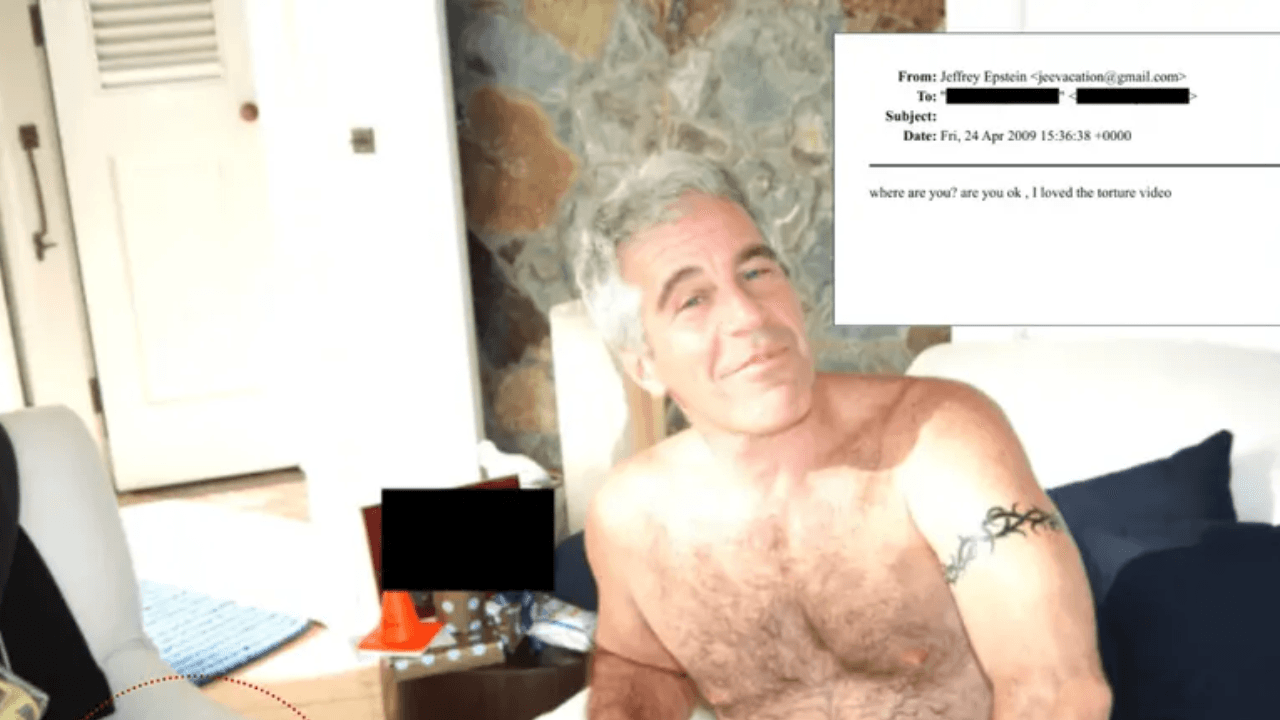
The Epstein files release took a dramatic turn Tuesday when Rep. Ro Khanna publicly identified several previously redacted names on the House floor.
Khanna, a Democrat from California, said he and Rep. Thomas Massie reviewed unredacted Justice Department materials related to Jeffrey Epstein. He claimed the Department of Justice had hidden certain names without meeting Congress’s transparency standards.
Email Referencing “Torture Video” Draws Attention
One of the most alarming revelations involved a 2009 email sent by Epstein that read, “Where are you? Are you ok I loved the torture video.”
Deputy Attorney General Todd Blanche confirmed in a public statement that the recipient’s name appeared unredacted in a separate file labeled EFTA00666117. According to the released documents, the recipient was identified as Emirati businessman Sultan Bin Sulayem.
Officials have not clarified what Epstein meant by “torture video.” No additional details were provided in the documents released by the Department of Justice, which published more than three million pages last week on its official site at Justice.gov.
Six Wealthy Men Named
Khanna also named six men whose identities had been redacted in earlier releases. He read the names into the Congressional Record during a floor speech, which can be accessed through Congress.gov.
- Salvatore Nuara
- Zurab Mikeladze
- Leonic Leonov
- Nicola Caputo
- Sultan Ahmed Bin Sulayem
- Leslie Wexner
Retail billionaire Les Wexner, Epstein’s former assistant Lesley Groff, and former French modeling agent Jean-Luc Brunel were also referenced in related FBI materials from 2019.
Brunel died in 2022 while in custody in France. Wexner has previously stated he severed ties with Epstein years before Epstein’s arrest.
Lawmakers Push for Transparency
Rep. Thomas Massie, a Republican from Kentucky, supported calls for broader disclosure. He said some names appeared to have been hidden without proper legal justification.
The Justice Department has stated that redactions were made to protect victims and prevent interference with ongoing investigations. Attorney General officials have said they aim to balance transparency with privacy and legal safeguards.
Epstein died in federal custody in 2019 while awaiting trial on sex trafficking charges. His associate, Ghislaine Maxwell, was convicted in 2021 and is serving a 20-year sentence.
The release of millions of pages of documents continues to fuel public debate. Lawmakers from both parties have signaled that additional hearings may follow as Congress reviews the materials.
For many Americans, the latest disclosures raise fresh questions about accountability, transparency, and the extent of Epstein’s network.