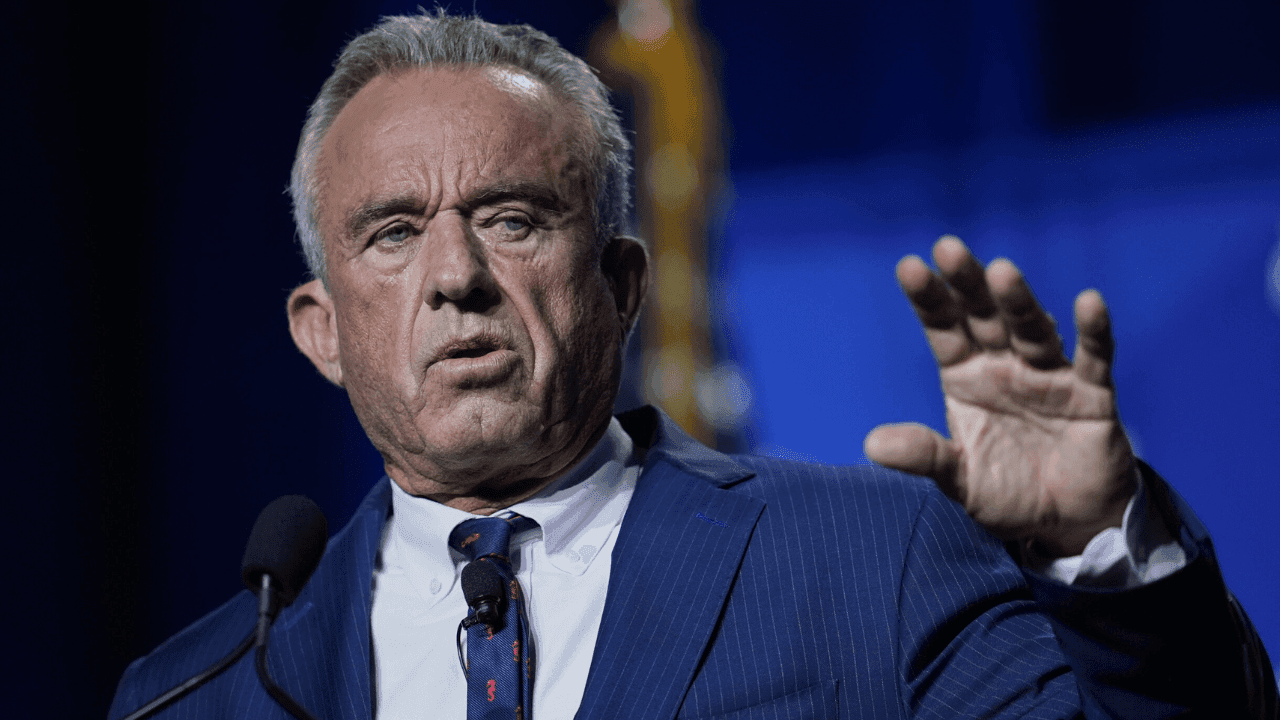
In a surprising move, the Secretary of Health and Human Services, Robert F. Kennedy Jr., has announced the removal of the COVID-19 vaccine from the Centers for Disease Control and Prevention’s immunization schedule for healthy children and pregnant women. This decision, reported on Tuesday, is poised to shake up the existing medical guidance and potentially impact insurance coverage across the United States.
The COVID-19 vaccine, previously recommended as part of routine immunization schedules, has been subject to various debates since its development. Despite the ongoing efforts to increase vaccination rates, RFK Jr.’s decision marks a significant shift in federal health policy, spotlighting a contentious stance in an era striving for herd immunity against the coronavirus.
This change in policy could see a ripple effect on how medical professionals approach vaccinations, potentially leading doctors to alter their advice regarding COVID-19 immunization for the subset of populations that have now been excluded from the schedule. Furthermore, this recommendation adjustment could modify how insurance companies manage coverage related to COVID-19 vaccinations, an aspect that directly affects coverage policies for millions.
Robert F. Kennedy Jr., a well-known advocate of individual freedom and parental choice in health decisions, is certainly no stranger to controversy, particularly regarding vaccinations. His influence, coupled with his current role, adds a significant weight to his pronouncements, often echoing across medical, political, and public opinion spheres.
Historically, vaccination policies have played a pivotal role in public health achievements, securing control over numerous infectious diseases. This latest development invites analysis in the context of broader historical vaccination campaigns and their societal impacts.
As the world continues to deal with the ramifications of a global pandemic, changes like these are bound to spark dialogues among stakeholders about safety, freedom, and scientific evidence in public health policy. Furthermore, considering the ongoing mutations and variations of the SARS-CoV-2 virus, this decision can find itself at the core of larger debates on adaptive immunization strategies.
Health experts and epidemiologists are expected to weigh in on this policy change, with both sides of the debate likely to present compelling arguments regarding public safety and autonomy. Comparisons to past policy shifts and their outcomes could provide essential insights into the potential direction and consequences of this latest announcement.
The decision stands as yet another chapter in the continuing narrative of how society balances precautionary measures with individual freedom during times of global health crises. As President Kennedy Jr.’s tenure continues, his leadership decisions will undoubtedly be scrutinized under both supportive and critical lenses.
Nevertheless, this early phase of change remains closely watched by analysts, with developments anticipated as experts gather more data and assess the broader effects of this removal on public health directives and their socioeconomic implications.