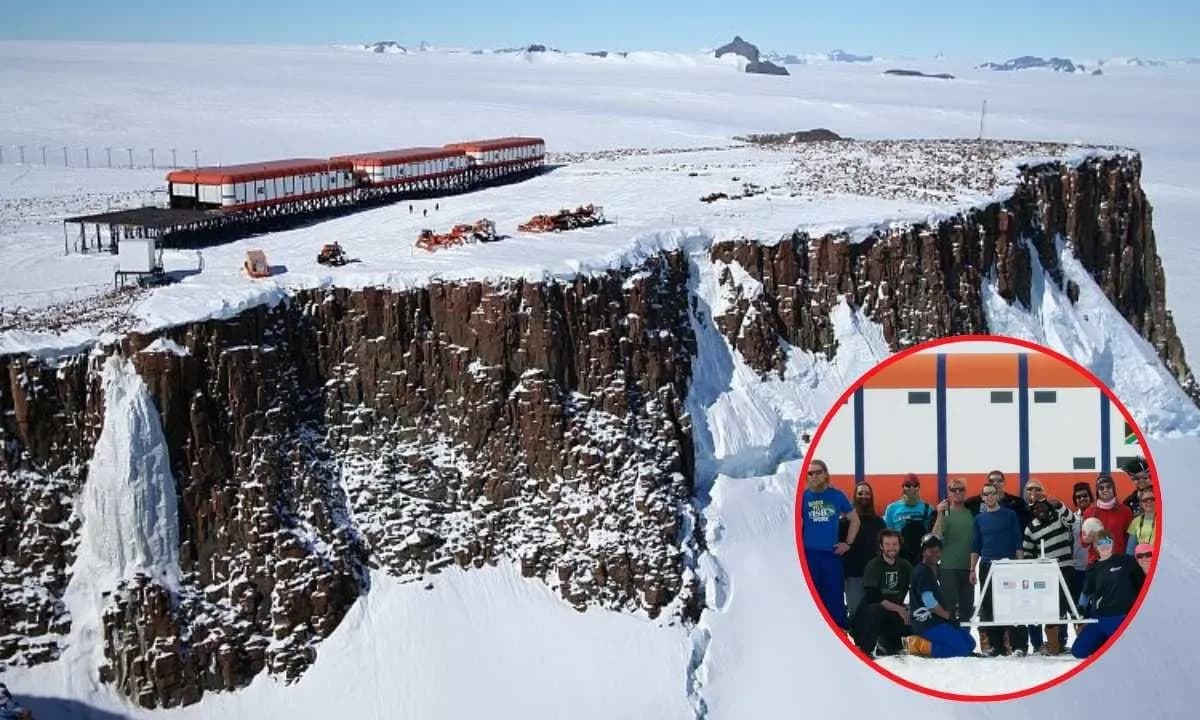
Scientists stationed at the remote Sanae IV base in Antarctica find themselves pleading for help amid life-threatening conditions. A disturbing email from the research station reveals that one researcher is accused of assaulting a colleague.
The incident took place at the South African-run Sanae IV research base, located roughly 170 kilometers from the edge of the Antarctica ice shelf. Reports first emerged when one of the researchers had threatened to kill a colleague.
In an email seen by South Africa’s Sunday Times, one of the scientists described the situation as ‘deeply disturbing.’ The scientist sending the email also expressed the fear of becoming the next victim.
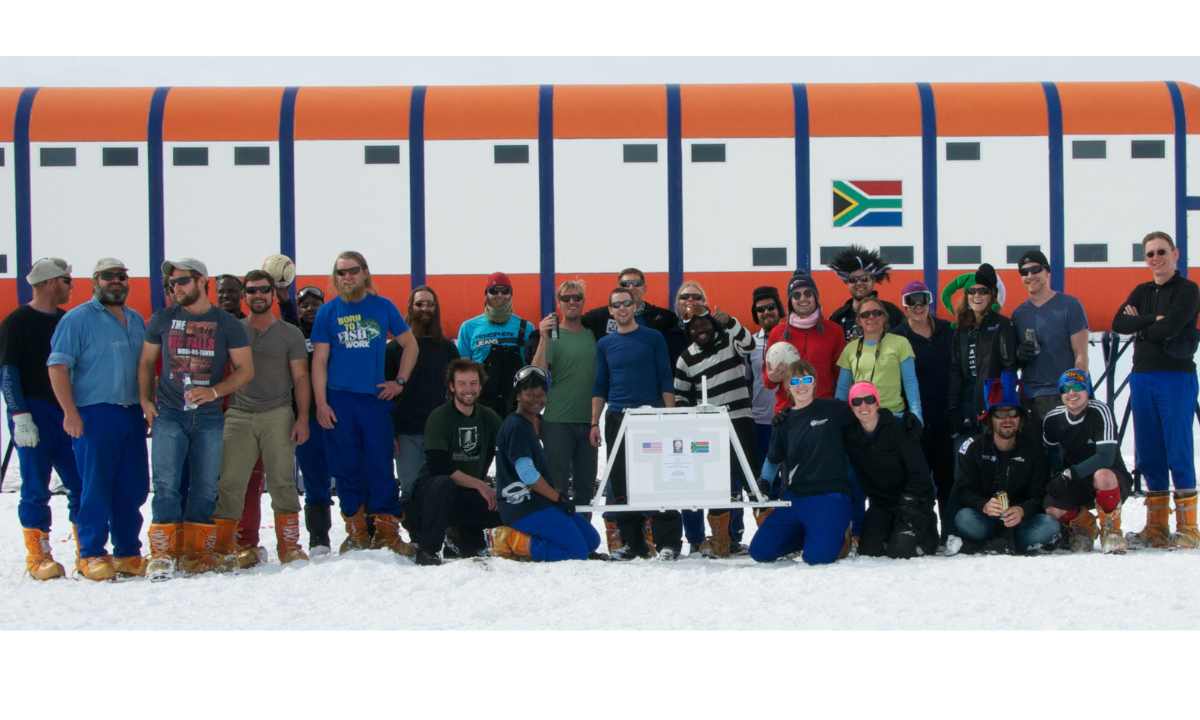
The email also makes claims of sexual assaults by the individual. However, these accusations are inaccurate according to the South African Authorities. According to BBC, the South African ministry is responding to the situation with ‘utmost urgency.’
“Regrettably, behavior has escalated to a point that is deeply disturbing. Specifically, he physically assaulted , which is a grave violation of personal safety and workplace norms.
Furthermore, he threatened to Kill , creating an environment of fear and intimidation. I remain deeply concerned about my own safety, constantly wondering if I might be the next victim.”
Read the email sent.
At the moment temperatures are plunging to minus 58 degrees Fahrenheit. The unforgiving climate and the remoteness of the location further complicate rescue efforts. The scientists are currently trapped thousands of miles from any significant population center.
The South African Ministry of Environment confirmed that the assault on the base leader was reported on February 27. Officials responded by initiating remote counseling sessions and interventions to manage the situation.
According to the ministry, the accused team member expressed remorse. The member also participated in psychological evaluations and wrote a formal apology to the victim. The ministry emphasized that all team members underwent thorough background checks, medical assessments, and psychological evaluations before departing for the base.
The government’s response has sparked concern due to the remote and dangerous nature of the Antarctic environment. The Sanae IV base is located over 4,000 kilometers from mainland South Africa. Extreme cold and strong winds limit access for much of the year. In cases like this, extraction or rescue efforts require specialized ice-capable ships or aircraft, which are not always readily available.
This incident isn’t the first report of conflict in Antarctica. In 2018, a Russian scientist reportedly stabbed a colleague at the Bellingshausen research station. Experts suggest that the intense isolation and confined living conditions in such environments can heighten tensions.
Craig Jackson, a professor of workplace health psychology at Birmingham City University, explained that small irritations in these settings can quickly escalate into major conflicts.
“Even minor disputes over workload, food portions, or leisure time can become serious under such circumstances.”
Craig noted.
Gabrielle Walker, a scientist familiar with Antarctic expeditions, echoed these concerns. She highlighted how the absence of outside distractions makes it easier for small habits and behaviors to become unbearable.
“You know exactly how they put their coffee cup down, what direction the handle faces, and how many times they scratch their nose before sitting down,” she said. These things can build frustration because there’s no escape.”
Gabrielle Walker.
South African authorities are maintaining regular communication with the researchers and are ready to act if conditions worsen. Access to specialized rescue equipment like ice-breaking ships and aircraft offers some hope. However, the unpredictable Antarctic weather remains a significant challenge.
The incident raises concerns about the mental strain researchers endure in extreme environments. It also highlights the delicate balance between ensuring safety and maintaining essential research efforts.
Conclusion
A team member’s reported assault on the base leader, along with accusations of threatening behavior, has created fear among the researchers. Despite prior psychological evaluations and background checks, tensions escalated to the point where some team members pleaded for rescue.