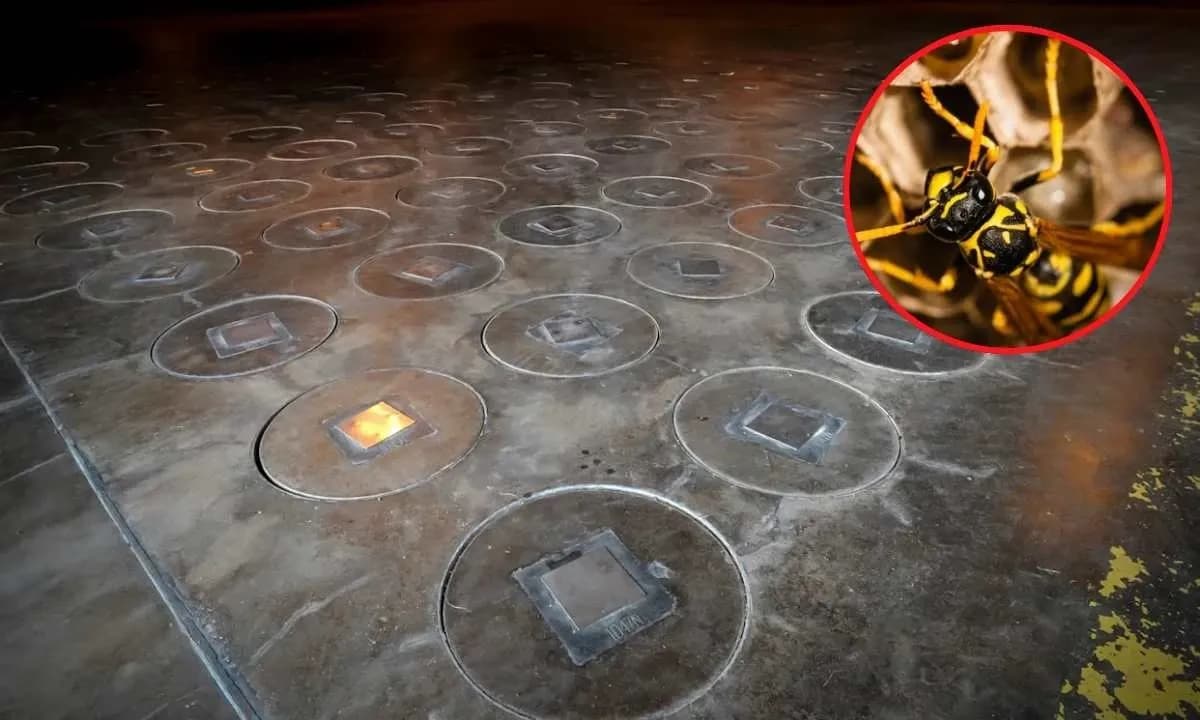
In early July, a discovery at the Savannah River Site in South Carolina stirred up curiosity and concern. Workers, who routinely check for radiation at this site—once a key location for producing nuclear weapons—found something unexpected: a radioactive wasp nest. This was no ordinary nest. According to the U.S. Department of Energy, the radiation levels of the nest were found to be 10 times higher than what federal regulations permit.
The Savannah River Site, located near Aiken, South Carolina, was a major player in the Cold War. The site produced plutonium and tritium for the core of nuclear weapons. Though the site no longer operates as a nuclear weapons facility. However, it is still active in nuclear material management and environmental cleanup.
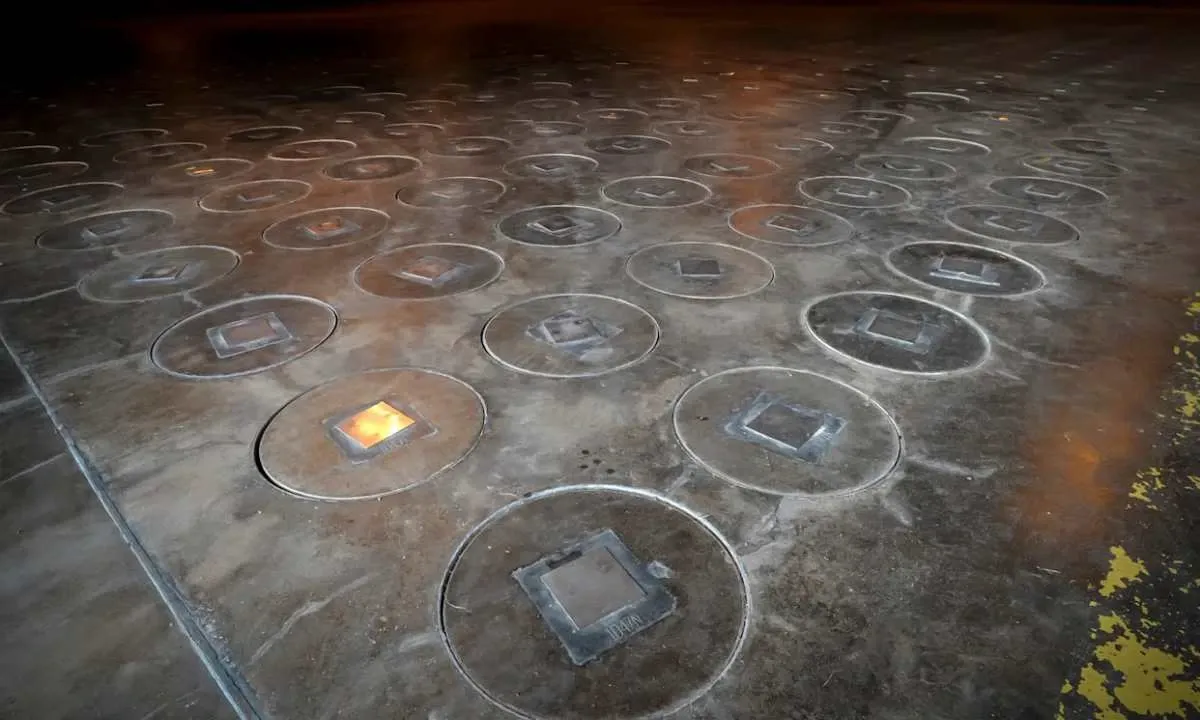
The discovery of the radioactive nest has raised many questions. Especially because the site has a long history of managing nuclear waste, and the nest was found near tanks storing liquid nuclear waste.
The nest, discovered on a post near these tanks, was immediately sprayed with insecticide and removed, then disposed of as radiological waste. No wasps were found, and the surrounding area was tested and confirmed to be free from contamination.
The Department of Energy reported that the radioactive contamination found on the nest was attributed to “onsite legacy radioactive contamination.” The statement states that the residual radioactivity is left over from the site’s history of nuclear weapon production.
The radioactive contamination didn’t come from a new leak or failure of waste tanks, and officials assured the public that there was no risk to workers, the environment, or the public.
But despite the assurances, this discovery raises some troubling questions. Tom Clements, executive director of the Savannah River Site Watch, a watchdog group, voiced his frustration with the Department of Energy’s explanation.
Clements pointed out that the report didn’t explain where exactly the radioactive material came from, how the wasps encountered it, or whether there might be other radioactive nests within the site. In fact, he expressed concern that the radioactive contamination could indicate deeper problems at the facility.
Savannah River Site has a long history with nuclear waste. Since its opening in the 1950s, the site has produced plutonium for nuclear bombs, and over time, it has generated massive amounts of liquid nuclear waste—more than 165 million gallons, in fact.
Though much of this waste has evaporated or been processed, 43 underground tanks still hold dangerous waste, while eight tanks have been closed. These tanks are located on a 310-square-mile property. The site’s vast size means that the likelihood of the wasps flying outside the property is minimal. However, it still leaves many unanswered questions.
Investigators point out that wasps generally don’t travel far from their nests, and because the nest was found in the center of the property, it’s unlikely that any radiation from the nest spread beyond the facility.
It’s worth noting that the wasps that created the nest would have had much lower levels of radiation compared to the nest itself. This seems to suggest that the radiation levels on the nest are more a result of residual contamination from the past rather than a current safety issue.
However, Clements isn’t convinced. He worries that the situation may be more serious than it appears. In addition to the radioactive nest, there have been documented cases of animals—such as deer—picking up radiation from the site. Clements fears that this wasp nest could be another sign of ongoing contamination within the local ecosystem that could affect other animals and, possibly, even people.
What’s also concerning is the nature of the contamination. The Savannah River Site has long been associated with handling dangerous materials, and over time, the region’s wildlife and natural elements have been exposed to radiation. The discovery of a radioactive wasp nest may only be the tip of the iceberg. Could other unexpected discoveries be lurking in the area, waiting to be uncovered? What if there’s more contamination that hasn’t been found yet?
The Savannah River Site’s transition from weapons production to nuclear fuel for plants and environmental cleanup doesn’t erase the legacy of the Cold War. As the world shifts its focus away from nuclear weapons and toward energy generation and waste management, sites like Savannah River remain important to monitor closely. Their environmental impact continues to resonate long after the Cold War has ended.
So, what happens next? For now, the radioactive wasp nest has been safely removed, and the Department of Energy insists that the situation has been handled without risk to the public. But with growing concerns over potential leaks and the lingering effects of legacy contamination, questions remain. What caused this radioactive contamination in the first place? Could it be a sign of bigger issues waiting to be discovered? And what steps are being taken to ensure the safety of both workers and the environment in the future?
This strange and unexpected discovery serves as a reminder that the legacy of nuclear weapons continues to impact both the environment and the ecosystem in ways we might not even realize. Whether it’s radioactive wasps or dangerous waste storage, the potential for unforeseen consequences is ever-present. What will be uncovered next as the search for answers continues at the Savannah River Site? Time will tell, but this eerie discovery has certainly raised more questions than it answered.