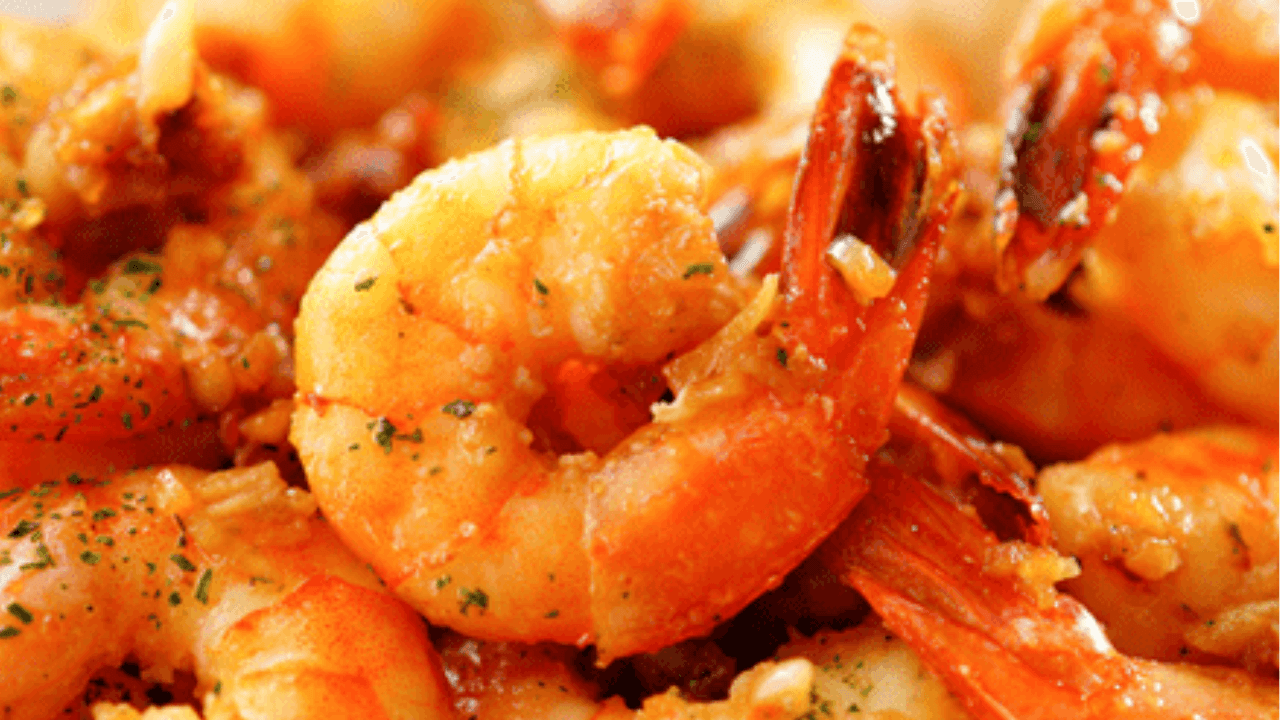
A troubling notification from the U.S. Food and Drug Administration (FDA) has surfaced: shrimp sold at Walmart might be radioactive. On August 18, 2025, an investigation was launched after U.S. Customs and Border Protection (CBP) discovered potentially hazardous Cesium-137 (Cs-137) contamination in frozen shrimp imports at several major U.S. ports, including Los Angeles, Houston, Miami, and Savannah, Georgia.

The contaminated shrimp, procured from PT. Bahari Makmur Sejati in Indonesia, has triggered a swift response from Walmart. Upon learning about the situation, Walmart moved to recall the affected shrimp, primarily under the Great Value brand, showing their commitment to customer safety.
The contamination stemmed from deep concerns regarding the way the shrimp were processed and packaged. Officials noted the shrimp appeared to have been handled in insanitary conditions, leading to the unforeseen contamination with Cs-137. The FDA urged consumers to avoid consuming any Great Value brand raw frozen shrimp with specific lot codes: 8005540-1, 8005538-1, and 8005539-1, which could pose serious health risks.
The FDA’s laboratory confirmed detectable levels of Cs-137, raising alarms about the potential health implications. Exposure to Cs-137, even in limited amounts, can increase the risk of cancer due to damage to the DNA in living cells. As the FDA and CBP continue to collaborate to prevent any contaminated products from reaching consumers, the priority remains the health and safety of the public.
Walmart’s response has been commendable. They stated, ‘The health and safety of our customers is always a top priority,’ emphasizing their commitment to transparency and customer safety by removing the implicated products from their stores.
Since the FDA issued an import alert due to chemical contamination, they are actively working with Indonesian authorities to trace the contamination’s origins. This incident highlights a deeply unsettling reality about food safety, exposing vulnerabilities in our food supply chain.
For consumers who have unknowingly purchased the shrimp, the FDA has advised throwing them out immediately to ensure safety. Meanwhile, authorities are pushing for more stringent inspection protocols to safeguard against such incidents.
As we navigate this radioactive shrimp scare, questions arise about food safety regulations and the measures in place to protect consumers from hazardous food sources. What other hidden dangers might lie unnoticed on grocery shelves?
As we approach our next grocery trip, how confident are we in the safety of our food?