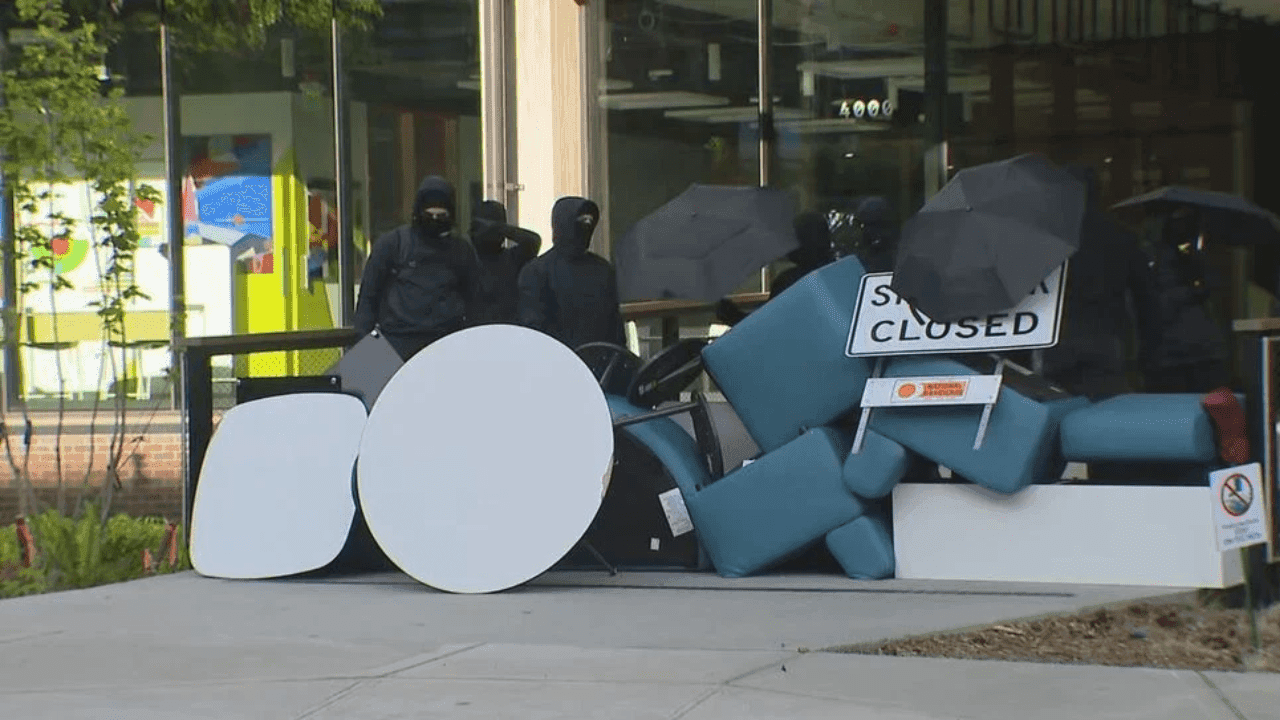
In a striking demonstration of solidarity with Palestine, protesters have taken over the newly inaugurated Interdisciplinary Engineering Building at the University of Washington. The event unfolded when groups of black clad and masked activists occupied the premises, reportedly obstructing entrances by piling furniture to create blockades. This act is poised to stir conversations not only on the university campus but across various communities engaging in discussions about Palestine tensions.
This latest move follows a series of protests and demonstrations worldwide aimed at drawing attention to the ongoing conflict in Palestine. The protesters, identifying themselves as pro-Palestinian activists, have declared their intention to occupy the building until the University meets their specified demands. Among these demands are the conversion of the building into a space governed by community led, pro-people education principles and the cessation of any funds received from Boeing, a big funder, allegedly in opposition to their global standings.
The incident has sparked mixed reactions across social media and public forums. Opinions range from those calling the action a necessary injustice to voices critiquing the disruption of education and campus life. This act of civil disobedience is strategically timed as the students believe the pressure might sway university authorities to re-evaluate their funding endorsements.
The Washington University administration is reportedly in negotiations with the protesters, though much of the dialogue remains confidential. However, officials have expressed concerns about safety and security, urging both external authorities and internal management to peacefully resolve the situation without altercation.
What remains intriguing in this developing story is the possibility of heightened tensions or further protests if demands are not met. Observers have noted that despite previous similar occupations on campus being resolved with minimal disruption, the scale and symbolic timing of this occupation present a unique challenge to university administrators.
Historically, university campuses have been hotbeds for social and political discourse. The incident joins a list of contemporary protests where students leverage educational institutions’ reputations to amplify global causes. The debate now opens the floor for discussions on balance between activism and academic responsibilities.
With the global eyes watching, the unfolding events in the University of Washington promise to impact policy discourse over corporate funding in educational institutions and highlight how educational grounds can be leveraged for activism. The next few days will be crucial in determining how this standoff influences stakeholders’ decisions, from students to policymakers.