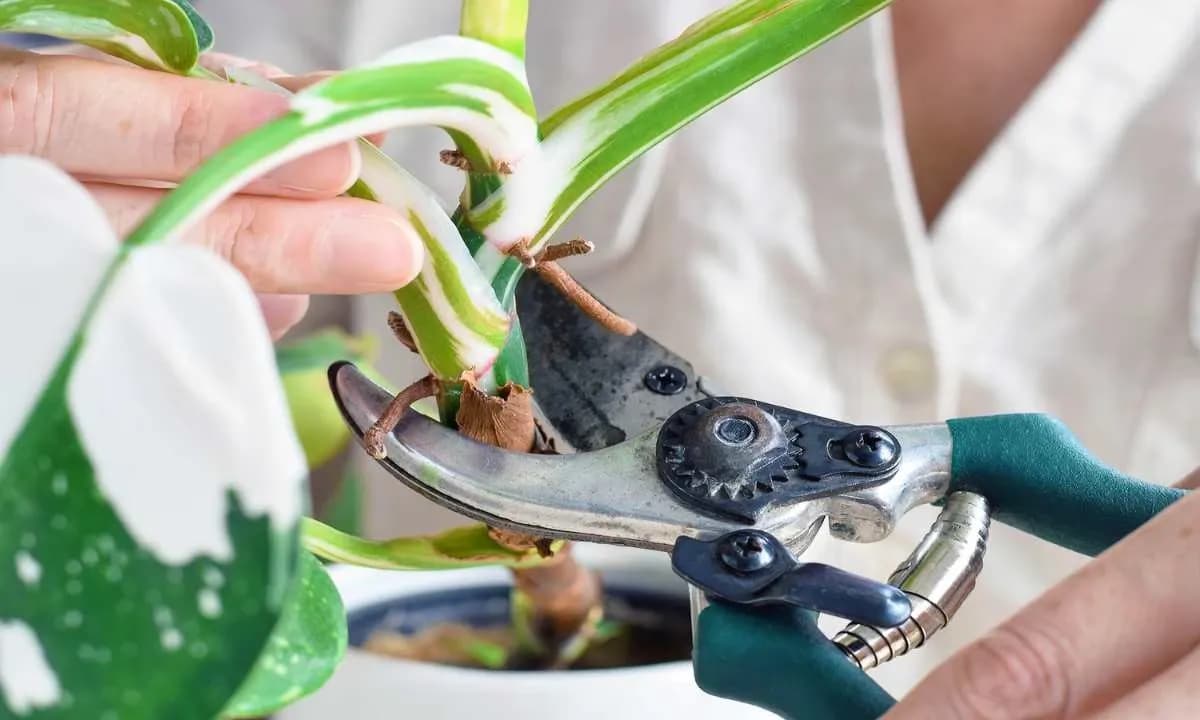
If someone told you that a tomato plant cries when it’s thirsty, you’d probably think they were joking. But new research from scientists at Tel Aviv University reveals something truly unexpected: plants do “scream” — just not in a way we can hear.
This strange discovery began with a simple question: if plants can sense sound, can they also make it?
A few years ago, evolutionary biologist Lilach Hadany and her team found that plants respond to certain sounds, like bees buzzing. That sparked curiosity about the other side of the equation — whether plants produce their own sounds to communicate distress. To explore this, they ran a series of experiments with tomato and tobacco plants under various conditions.
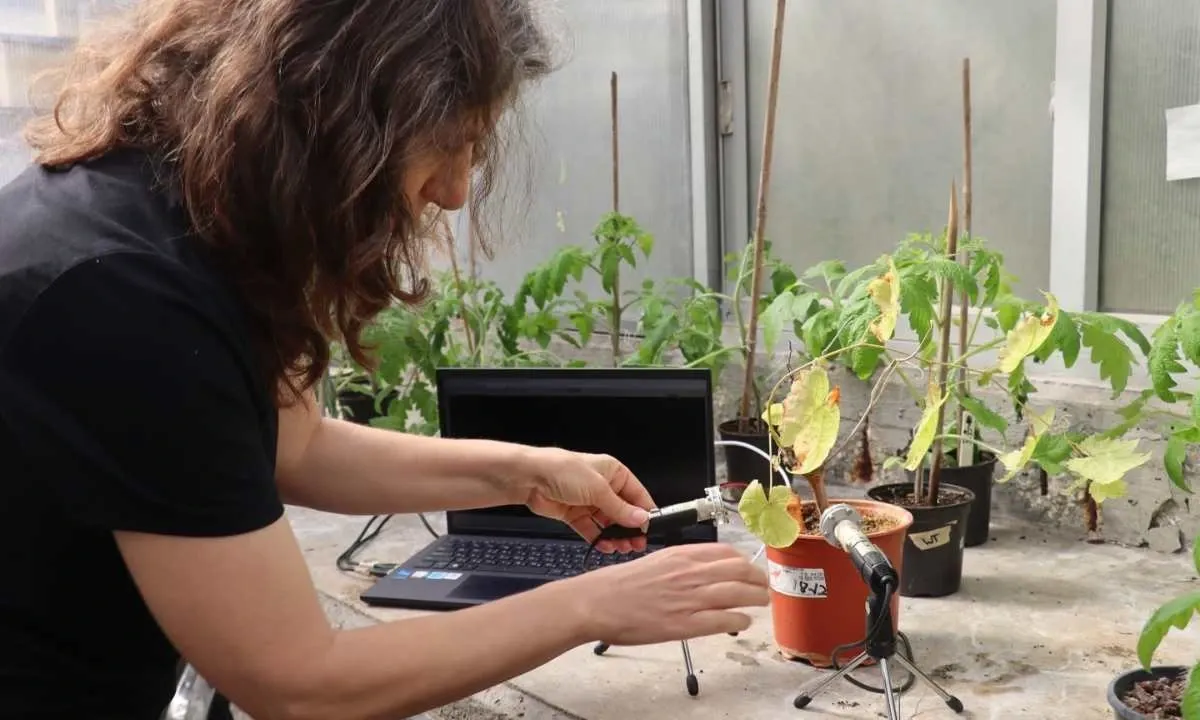
They placed some plants in normal conditions, some were left without water, and others had their stems cut. These plants were placed in two environments — one in a quiet, soundproofed box and the other in a regular greenhouse. Highly sensitive microphones were used to record any ultrasonic noises the plants might make. For comparison, they also recorded empty pots of soil to be sure any sound detected wasn’t coming from something else.
What they found was fascinating: stressed plants made distinct popping or clicking sounds in ultrasonic frequencies — too high for human ears to hear. These sounds weren’t random. The stressed plants — especially the ones deprived of water — made far more of these noises than the healthy ones. Some emitted over 40 pops per hour. In contrast, healthy plants made fewer than one pop per hour. Think of it as the plant version of frantic tapping or clicking — like popping bubble wrap, according to the researchers.
To make sense of the data, the team used machine learning algorithms. They trained the system to detect the differences between unstressed, cut, and dehydrated plants. The algorithm could identify not just whether a plant was in distress, but even what kind of stress it was under — and did so with around 70% to 80% accuracy. It could even tell how far along the dehydration process the plant was.
And it wasn’t just tomato and tobacco plants. The researchers tested several other species — including wheat, corn, grapes, cactus, and henbit — and found they all made these stress sounds. They even captured sounds from diseased tomato plants infected with tobacco mosaic virus.
So, what exactly is making the noise inside the plant?
While plants don’t have vocal cords or lungs, researchers believe the sound might come from a process called cavitation. This happens when tiny air bubbles form and collapse in the plant’s xylem — the tube system that carries water and nutrients. It’s similar to the popping noise your knuckles make when cracking them. Cavitation becomes more common when a plant is dehydrated, which could explain the increase in popping sounds.
Here’s where things get even more interesting. These ultrasonic plant “screams” might not just be floating out into empty space. The researchers suggest that animals — like bats, mice, or moths — might be able to hear these sounds and respond to them. In fact, Hadany suggests a moth looking for a place to lay its eggs might avoid a plant that’s screaming, sensing that it’s unhealthy.
This is the first time scientists have not only recorded sound coming from stressed plants but also observed the possibility of another living organism responding to that sound. In the future, it might even be possible for humans to use this knowledge. For example, farmers could one day use AI-powered listening devices to monitor crop health and know exactly when a plant needs water or is getting sick — before it shows any visible signs.
Still, there are questions left to explore. For example, do plants produce these sounds in response to other stressors like heat, UV exposure, or pests? Can plants actually hear the cries of their neighbors and react? Past research suggests some can boost their drought tolerance when exposed to certain sounds — so it’s possible that plant-to-plant sound communication exists.
Researchers are now investigating whether other plants and animals are also tuned into these distress calls — and what kind of influence this hidden soundscape might have on the natural world.
For now, what’s clear is that the plant world isn’t as silent as we once believed. There may be a whole layer of communication happening just out of human hearing range — a whispering, clicking, popping language that insects and animals may have been listening to all along.