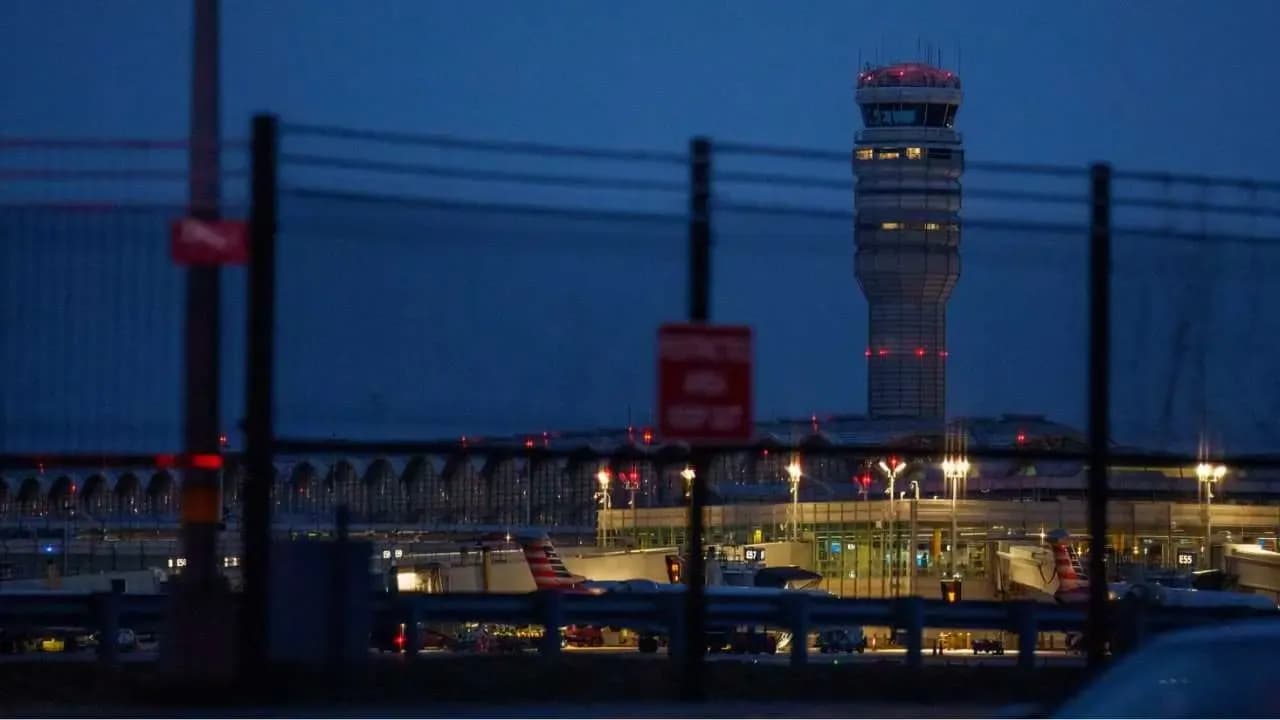
The mysterious occurrence of false midair collision alerts near Reagan National Airport has left both aviation experts and passengers perplexed. On March 2, 2025, several aircraft approaching the busy Ronald Reagan Washington National Airport, located in Arlington, Virginia, received erroneous alerts, warning pilots of potential midair collisions. The alerts captured widespread attention as they came at a time when no nearby aircraft threatened the safety of the flights.
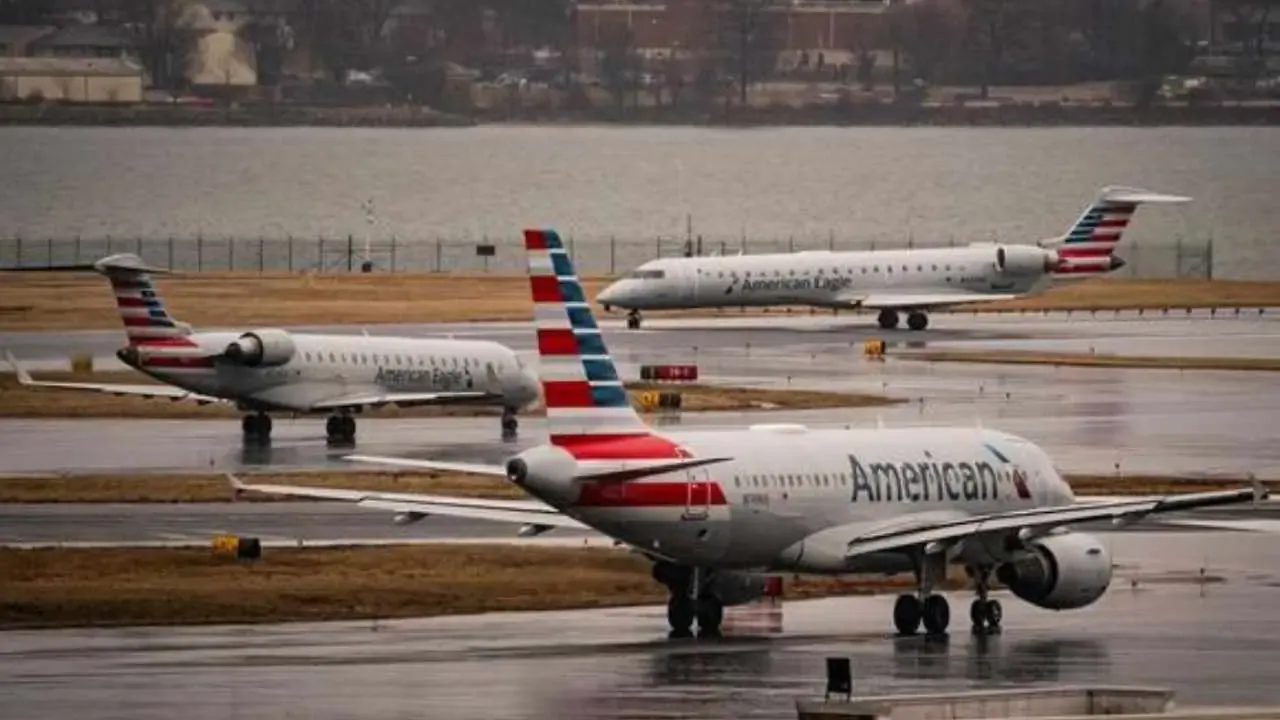
This unexpected series of alerts is not only a technical anomaly but also a matter of concern for aviation safety authorities. Given that air traffic control systems and aircraft collision avoidance systems are integral to ensuring the safe navigation of thousands of planes daily, such false warnings can disrupt operations and incite unnecessary panic among flight crews and passengers.
The Federal Aviation Administration (FAA) promptly initiated investigations to identify the root cause of these false alerts. Although similar occurrences are exceedingly rare, the paranoia it instigates among pilots is palpable. Aviation safety relies heavily on the reliability and accuracy of onboard alert systems, which use sophisticated algorithms and radar data to prevent potential collisions. A spokesperson from the FAA mentioned that these alerts ‘seemed to be resulting from an interplay of external interference or signal disruptions’ possibly emanating from nearby sources of electromagnetic activity.
Though no actual collisions were imminent, the alerts compelled flight crews to engage in procedural maneuvers such as ‘go-arounds’ or holding patterns, to mitigate any unforeseen events. This incident was particularly unnerving, considering it took place a mere few miles from the site of a previous tragic collision of an American Eagle flight and an army aircraft over the Potomac River, intensifying the emotional response.
One of the airlines affected, PSA Airlines, along with other carriers, cooperated fully with aviation authorities to provide data and cockpit recordings to facilitate the investigation. The potential disruption in communications and navigation systems is taken very seriously, considering the vast number of flights handled by Reagan National Airport, one of the busiest in the United States, catering to millions of passengers annually.
As investigations continue, determining the precise mechanism behind these false warnings is critical to ensuring this issue is comprehensively addressed. It’s incidents like these that remind us of the fragile balance between technology and safe air travel. The FAA reassured the public, stating that flying remains one of the safest methods of travel, and their focus remains on maintaining and improving this safety record amidst growing air traffic volumes.
Aviation experts emphasize the importance of rigorous system checks and the implementation of updated protocols to prevent future disruptions. With technological advancements, comes the responsibility to remain vigilant against new types of interference and unforeseen challenges these systems might face in increasingly congested airspaces.
In conclusion, while the false alerts at Reagan National sparked significant concern, they also underscored the resilience and readiness of the aviation safety framework. As authorities delve deeper into understanding and fixing the anomaly, passengers can take solace in the continued dedication to safety that underpins the aviation sector.