Imagine your phone pings and someone’s asking you to donate to a guy charged with murder.
Now imagine thousands of people are doing it. Happily.
Welcome to the weird world of crowdfunding for criminal defense.
It’s growing fast, and it’s messy.
After a 17-year-old named Karmelo Anthony was charged with stabbing a classmate at a Texas track meet, his GiveSendGo campaign pulled in over $230,000.
GoFundMe banned it.
GiveSendGo said: “Free speech.”
That platform has become a go-to spot for people raising money to defend against some of the most serious criminal charges.
And it’s not just one case.
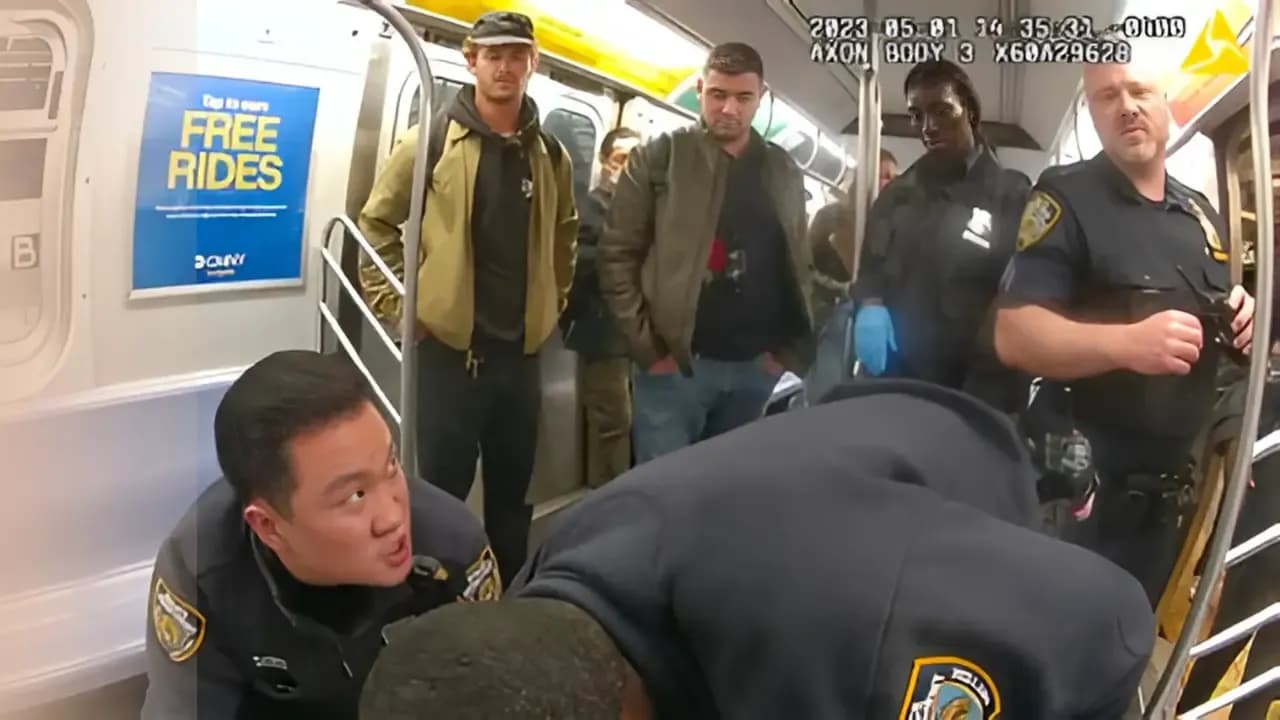
Daniel Penny, the ex-Marine charged in the subway death of Jordan Neely raised almost $3 million in defense money.
Luigi Mangione, accused of killing a healthcare CEO, racked up $120K before his trial.
No law says you can’t do this.
In fact, most of the time, the money’s legit as long as the platform allows it and the cash goes where it says it will.
But loads of people are saying: Hold up, why are we rewarding people accused of violence?
Some think it’s justice.
Others think it’s just gross.
A report by TIME found that extremists and violent offenders are increasingly using crowdfunding to finance their legal fights — and sometimes their hate speech too.
GoFundMe drew the line and said “no” to violent crime defense funds.
GiveSendGo? They’re all about letting donors decide.
Some people argue that’s what real freedom looks like.
Others say it’s blood money in disguise.
In the words of one critic on X,
“We’re not just funding lawyers. We’re funding narratives.”
So, should there be rules?
Should we ban it completely, or let the crowd decide what causes are worthy?
Right now, the internet is doing what it always does arguing like mad.
And accused criminals?
They’re cashing in.