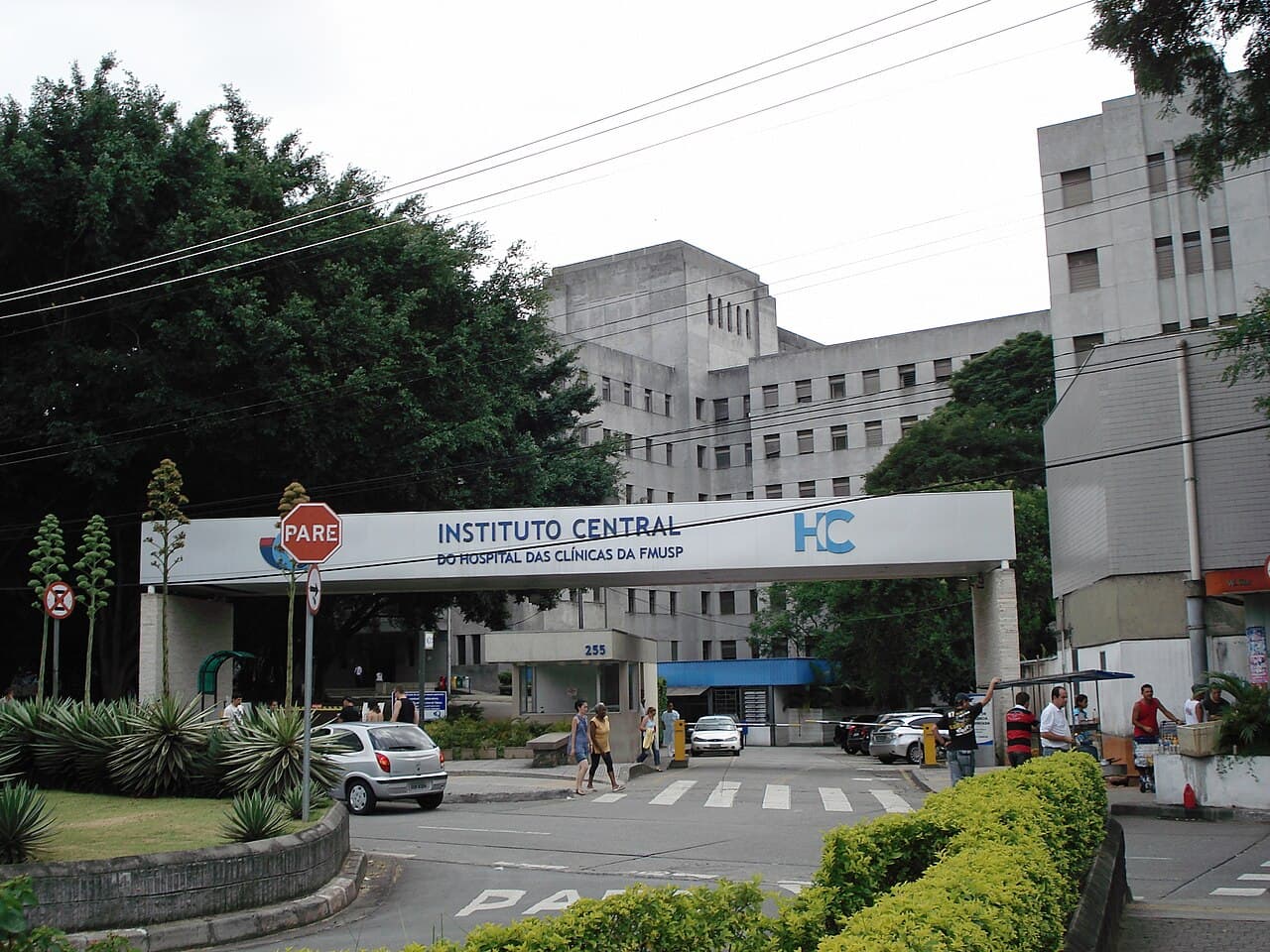
After years of cancer treatment, Paulo Peregrino received a result he had long hoped to hear: his lymphoma was in complete remission. In 2023, the Brazilian patient's response to CAR-T therapy brought attention to a treatment built from immune cells.
The result was remarkable. It was also important to describe it precisely: remission is a treatment outcome, not proof that cancer can never return.
A long medical history
In a first-person diary published by piauí, Peregrino described 13 years of cancer care, including chemotherapy and a bone-marrow transplant. He was 61 when his CAR-T story became widely reported.
The history involved more than a single cancer diagnosis. Calling it 13 uninterrupted years with the same lymphoma would oversimplify that record.
Turning immune cells into a treatment
CAR-T therapy modifies T cells, a type of immune cell, so they can recognize a target on cancer cells. The altered cells are then given back to the patient.
The U.S. National Cancer Institute explains the process, along with the successes and challenges of this approach. It is a specialized treatment whose benefits and risks depend on the disease, treatment and individual patient.

Why the Brazilian case mattered
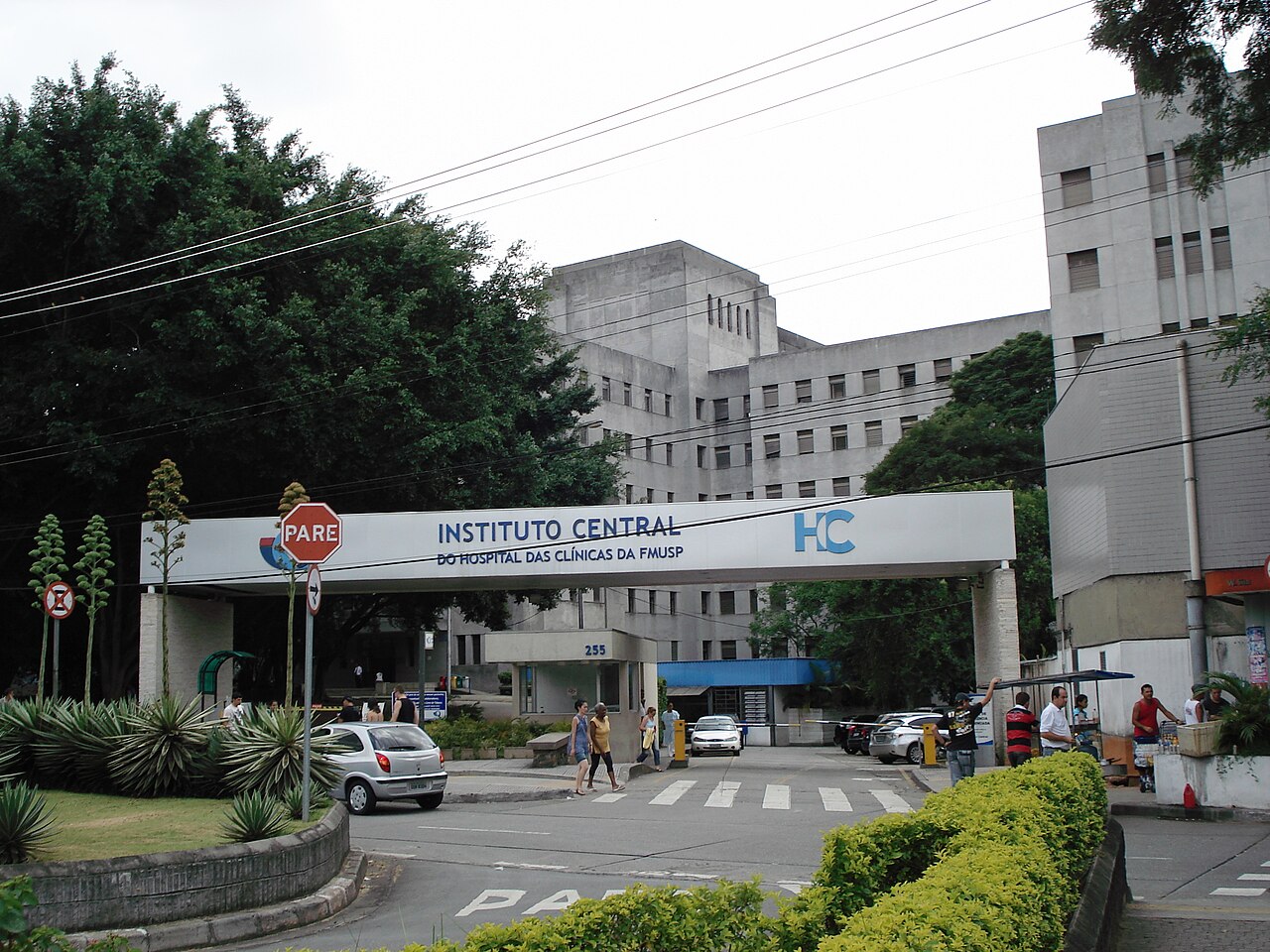
University of São Paulo reporting preserved by its Cell Therapy Center described Peregrino's access through a research collaboration involving university teams, the Butantan Institute and the blood center. His case drew attention to expanding access to advanced cellular therapies.
A powerful individual response cannot predict what will happen to every patient. Long-term follow-up, careful selection and specialist monitoring remain part of the story.
Peregrino's experience is hopeful because it shows a real medical possibility after earlier treatment had not brought the outcome he needed. The strongest account keeps both parts together: the extraordinary relief of remission and the continuing work required to understand and deliver that benefit.
Photograph credits
- Photograph 1: Maxpana3, CC BY-SA 4.0. Resized; captions identify contextual images.
- Photograph 2: Andréatl, CC BY-SA 3.0. Resized; captions identify contextual images.

