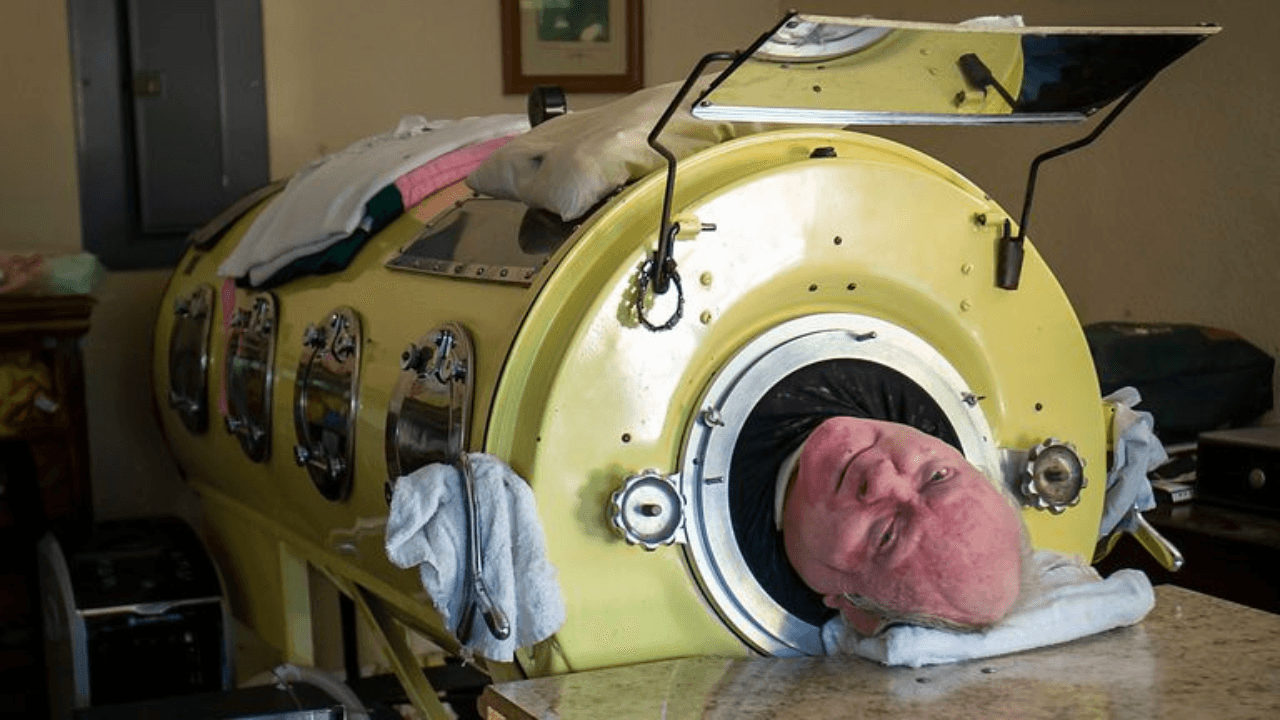
In the summer of 1952, a new kind of nightmare began for six-year-old Paul Alexander from Dallas, Texas. Struck by paralytic polio, he suddenly lost the ability to move or breathe on his own. Doctors placed him in the cold embrace of an iron lung, a machine that used negative pressure to draw air in and out of his lungs. His family was told he might not survive the week.
But Paul did more than survive — he learned how to live.
Learning to Breathe Again
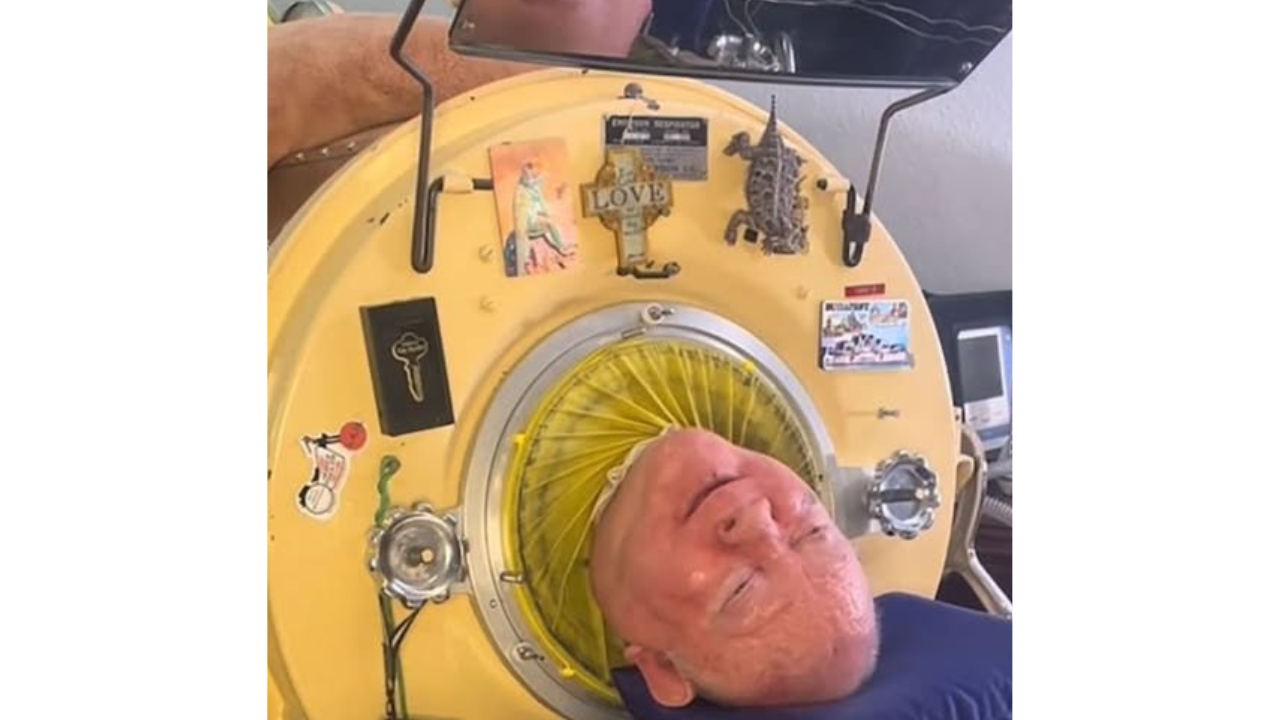
Inside the iron lung, Paul developed an extraordinary technique called glossopharyngeal breathing, commonly known as “frog breathing.”
By gulping and swallowing air into his lungs, he could stay outside the machine for short periods. Those moments slowly stretched into hours, giving him the freedom most thought impossible.
He later said, “I didn’t want to die. So I kept trying to breathe, and one day, I did.”
Through sheer willpower, Paul gained enough independence to leave the iron lung for parts of the day — a feat that astonished doctors and inspired generations of people with disabilities.
Education Without Boundaries
Paul’s determination didn’t stop with breathing. Confined to his home, he studied under private tutors and became the first student in Dallas to graduate from high school without ever attending in person.

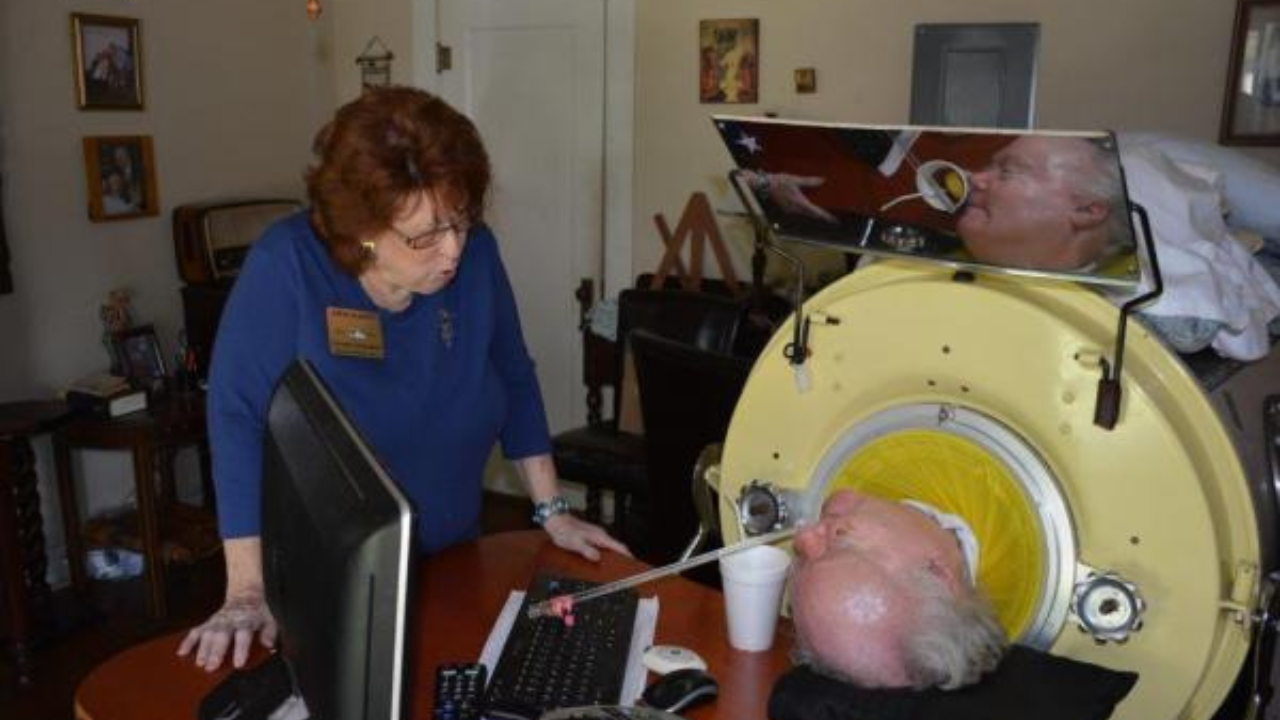
That milestone opened new doors. He earned a bachelor’s degree from the University of Texas at Austin, then a law degree from the University of Texas School of Law, graduating in 1986. Using a stick to type and assistants to help with logistics, Paul built a thriving legal career. He practiced law in Dallas for decades, specializing in probate and civil law.
As one of his professors later recalled, “He never wanted sympathy. He just wanted the same chance to prove himself.”
Beyond Survival: A Life of Purpose
Paul’s story was more than one of survival — it was a lesson in persistence.
He once said, “I wanted to be like everyone else. And I wanted the world to see that life can still be full, even in an iron lung.”
His journey went viral in his later years when videos and interviews showcased how he lived independently with the help of the vintage 1950s machine. He became one of the last people in the world still using an iron lung, a relic of the polio epidemic that once paralyzed tens of thousands of children.
The Writer Within
Even while tethered to the iron lung, Paul found time to write.
Over eight years, he painstakingly typed and dictated his memoir, Three Minutes for a Dog (2020). The title referred to a childhood moment when his therapist promised him a dog if he could breathe on his own for three minutes — a goal he achieved after months of effort.
His book captured decades of memories — the fear, the humor, the triumphs — and reflected his love for life and animals. Each page was a reminder that strength doesn’t always come from muscles, but from spirit.
A Legacy That Outlived the Machine
In February 2024, Paul was hospitalized after contracting COVID-19. Friends and followers around the world sent messages of hope. Sadly, on March 11, 2024, he passed away at age 78. The University of Texas Law School confirmed his death, calling him “a model of perseverance and humanity.”
At the time of his passing, Paul Alexander had lived longer than anyone else known to rely on an iron lung — more than 70 years inside the machine that first saved his life.
The Breath That Never Ended
Paul’s story drew global attention not just for his endurance, but for what it revealed about the human spirit. After his death, tributes poured in from around the world, celebrating him as a symbol of resilience and innovation.
He once wrote:
“My life is proof that you can do anything — no matter how impossible it seems — as long as you keep breathing.”
As we reflect on Paul’s extraordinary journey, one question lingers:
If he could rise above the confines of steel and circumstance, what’s really stopping the rest of us?
Disclosure: We may earn a commission when you make a purchase through the ads.