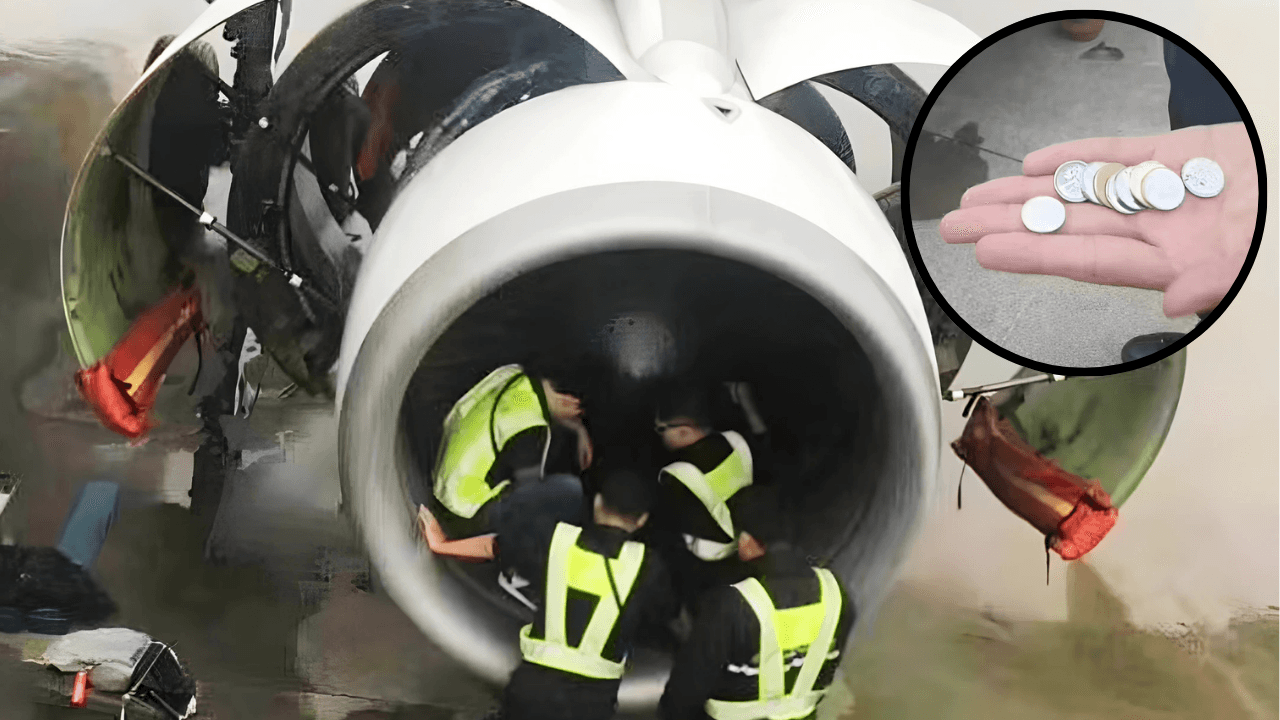
It was a typical day at Shanghai Pudong International Airport in June 2017, bustling with travelers eager to reach their destinations. Among them, an 80-year-old woman, filled with traditional beliefs, felt compelled to ensure a safe journey. As she approached the tarmac, she took out nine coins, hoping to toss them into the jet engine of her flight with China Southern Airlines, convinced that this act would invoke good fortune.

In her mind, she was merely adhering to a cultural custom. But as she hurled the coins, an unexpected calamity unfolded. One coin entered the engine while the rest landed nearby, and staff were alerted to the situation. A cascade of consequences followed — the flight, bound for Guangzhou, was delayed for more than five hours as safety inspections were conducted.
Ground crews scrambled, removing the engine cover to recover the coins and perform a full inspection. Police detained the woman for questioning; authorities later noted she had no criminal record or mental-health issues and that she said she threw the coins to “pray for safety.” Passengers packed in the terminal grew restless, and many shared their disbelief on social media.
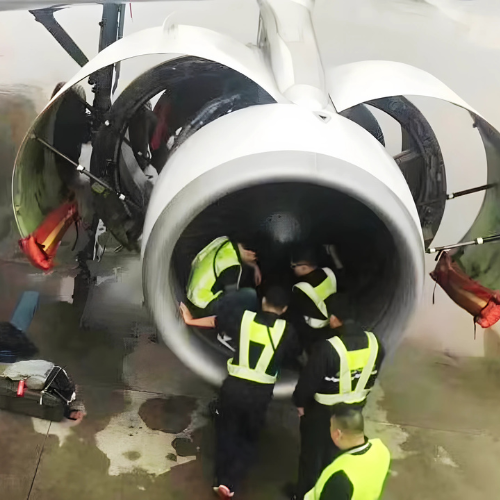
Update to the legal outcome: Local reports the next day said police decided not to take further action against the elderly passenger after the incident. The airline and police emphasized the crucial need for passenger awareness regarding safety protocols, noting that even small objects can pose serious risks to aircraft.
To the astonishment of many, the story went viral and sparked broad discussion about safety and superstition. China Southern posted reminders on Weibo about following civil aviation rules while boarding and before takeoff. (There was no FAA safety alert connected to this incident.)
This bizarre episode not only highlighted faulty wisdom but also raised questions: Where do we draw the line between tradition and safety in a modern world? As airlines ramped up their efforts to educate travelers, many passengers were left reflecting on the fine balance between cultural heritage and airport protocol.
The ripple effects of this incident underscore the critical nature of pre-flight safety checks. Many travelers, blissfully unaware of the full ramifications of such actions, might inadvertently pose risks. How do we safeguard against such bizarre lapses in judgment? The airline industry is now more cautious, yet incidents like this serve as a stark reminder that real change often starts with awareness.
Ultimately, one must wonder: Are we too dismissive of cultural practices that clash with modern safety standards? Should we be more vigilant about the traditions we hold dear while navigating the complexities of the aviation world? As the passengers re-boarded the plane after the lengthy delay, the woman remained a heightened curiosity, a symbol of superstition’s mishaps in a world governed by rules.
Disclosure: We may earn a commission when you make a purchase through the ads.