Trump did not invent misogyny, but he elevated it into a political branding tactic that has traveled far beyond the United States. Helena Bedwell’s essay traces how this approach has resonated with a new generation of leaders who project strength through hostility toward women, and how that hostility has infiltrated Georgia’s political culture.
The piece situates Georgia’s recent democratic backsliding within a wider pattern of masculine posturing. It notes how the Georgian Dream era, led by Bidzina Ivanishvili, has often treated the media with a dismissive, even hostile, tone toward women reporters—an approach that mirrors the global playbook Trump helped popularize.

Bedwell recalls the 2009 surprise appearance of Ivana Trump in Tbilisi, seen as an opportunity for investment and branding in the wake of the 2008 war. The visit signaled how celebrity presence could be leveraged to attract attention and potential deals, a dynamic Georgia was keen to harness as foreign investment began to recover.
In 2010, Michael Cohen—then a trusted aide to Trump—arrived in Tbilisi to scout Trump-branded real estate, framing the move as part of a broader strategy to fix Georgia’s “branding problem.” His comments to Bedwell suggested that the Trump name could unlock access and opportunity, even if specifics remained vague.
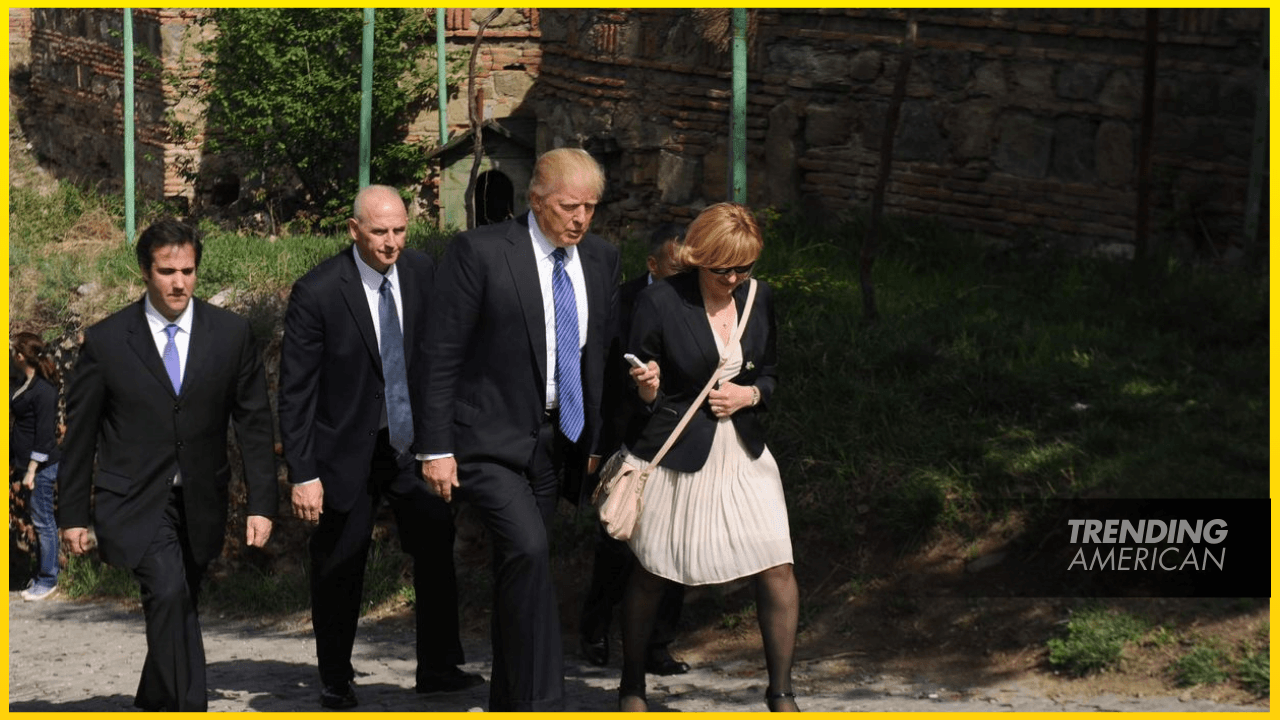
When Trump himself came to Georgia, Bedwell recounts an interview conducted in the back seat of a car, during which the President’s self-assuredness masked evasiveness about concrete commitments. The moment underscored a dynamic Bedwell would later see echoed by Georgian politicians: a blend of dominance, performance, and a willingness to belittle those who challenged him.
A few years later, Bedwell observed a similar tone from Bidzina Ivanishvili at a joint press conference. A simple, pointed question elicited a smirk and a dismissive line about who instructed the journalist to speak, a chilling preview of a broader pattern she argues was then and there taking shape in Georgia.
This is what Bedwell terms the new strongman language: humiliation over charm, domination over dialogue. She argues that Trump’s rhetoric provided a template that others could copy, refine, and apply in their own countries, including Georgia, turning misogyny into a visible political weapon.
The article emphasizes that the danger extends beyond journalism. When misogyny becomes political theatre—used to project strength and delegitimize dissent—public space narrows, women who speak out are targeted, and democratic norms suffer. The piece closes with a call to recognize and resist this pattern to protect press freedom and women’s rights.
Beyond the main narrative, Bedwell notes the personal risks faced by Georgian women journalists and others who challenge powerful figures. Aliya Ozdamirova’s case, and the broader climate in Georgia, illustrate how threats against women can be weaponized to chill reporting and activism.
Helena Bedwell is a veteran journalist who splits her time between the UK and Tbilisi, focusing on Georgia’s economy, governance, and rights. The article situates her perspective within a longer arc of regional reporting on press freedom, gender equity, and democratic resilience.
Disclosure: We may earn a commission when you make a purchase through the ads.