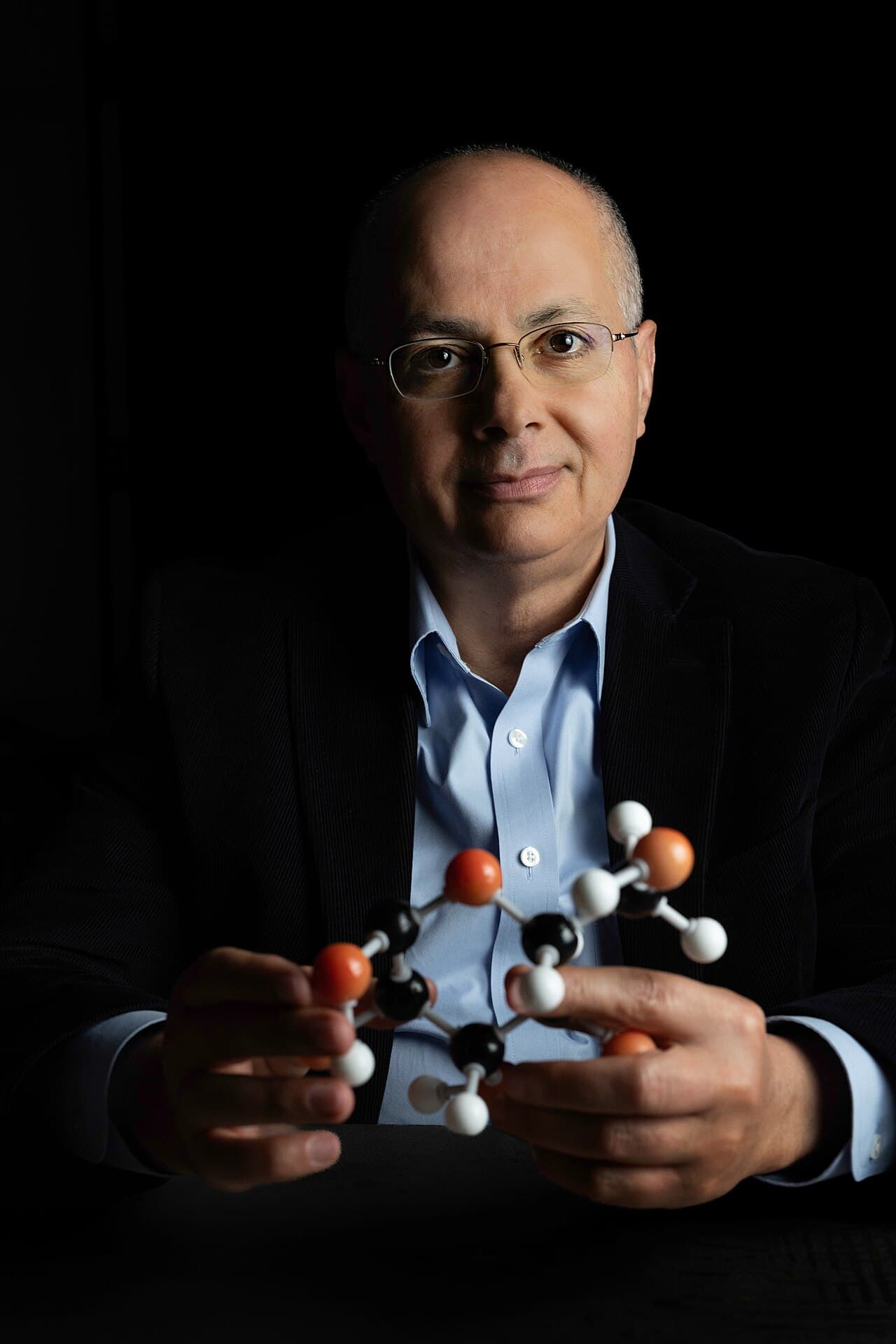
Even dry air contains water vapor. Chemist Omar Yaghi helped develop materials that can capture some of that moisture and release it for collection—a way of finding water where the sky looks empty.
The idea depends on structures too small to see, rather than a cloud or a conventional water source.
Rooms inside a material
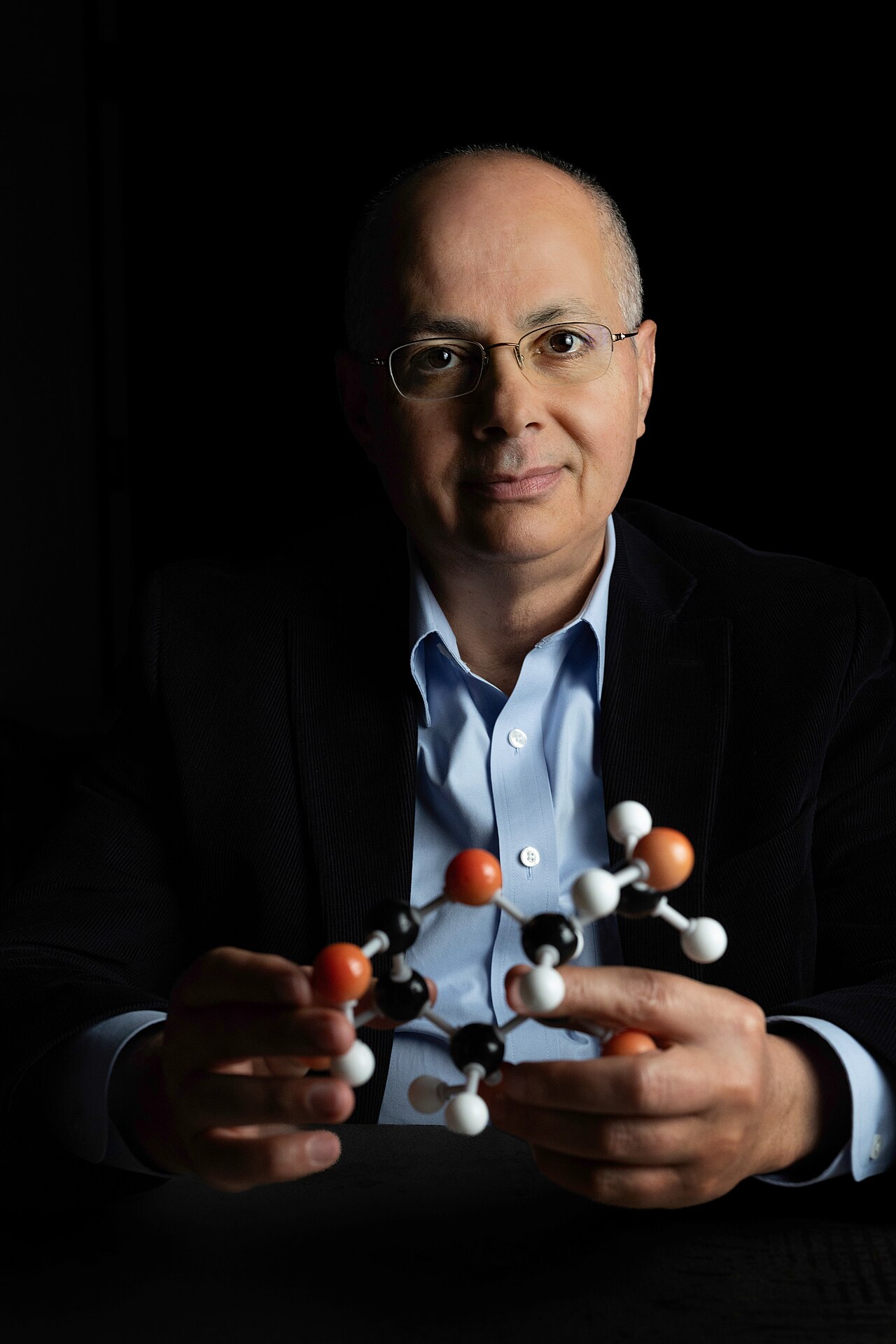
Yaghi shared the 2025 Nobel Prize in Chemistry with Susumu Kitagawa and Richard Robson for developing metal–organic frameworks, known as MOFs.
These materials contain organized internal spaces. Researchers can design those spaces to interact with particular molecules. The Nobel committee identifies water harvesting, gas storage and carbon capture among their potential applications.
Capturing moisture, then collecting water
Yaghi's company, Atoco, describes atmospheric water-harvesting systems using engineered reticular materials. The material takes up water from air; an energy-driven cycle releases it so the water can be collected.
The company says it is developing both grid-connected and off-grid versions, including systems intended to work below 20 percent relative humidity. Those are the developer's statements about its technology, not a guarantee of identical output in every climate.
A promising supply needs real-world proof
Atoco has described a container-scale design with a target of up to 1,000 liters a day. Reporting on the company's plans distinguishes that large system from smaller demonstration devices seen in photographs.
Output, cost, maintenance and water-quality checks all matter when an invention becomes a community's supply. A promising capture material does not remove those engineering questions.
Still, the underlying change in perspective is remarkable. Air that feels dry can contain a useful resource, and a solid material can be designed to gather it. The next achievement is making that chemistry reliable and affordable wherever people need water.
Photograph credits
- Photograph 1: Christopher Michel, CC BY-SA 4.0. Resized; captions identify contextual images.
- Photograph 2: Christopher Michel, CC BY-SA 4.0. Resized; captions identify contextual images.

