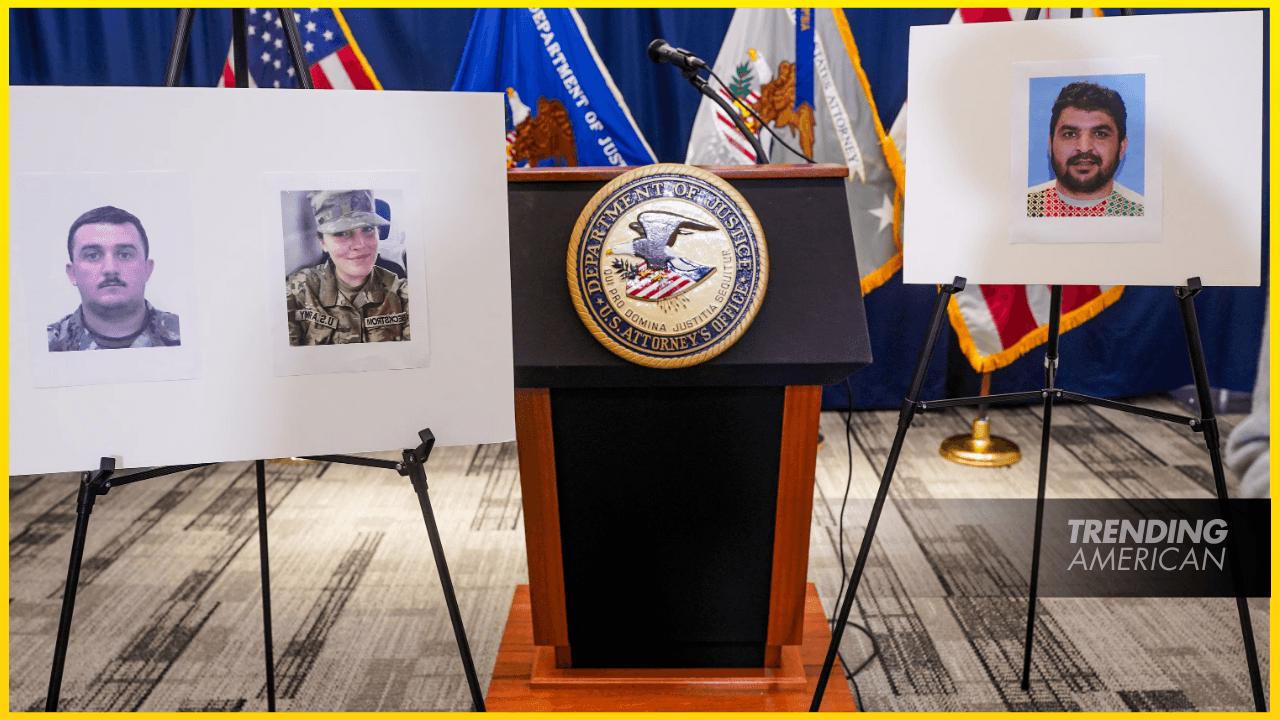
In downtown Washington, D.C., on November 26, 2025, two National Guard members were shot on a street near the White House in what officials described as a targeted ambush. The suspect, Rahmanullah Lakanwal, is an Afghan national who had entered the United States in 2021 and was granted asylum in April 2025. The case has quickly become a flashpoint in the long-running debate over how thoroughly Afghan evacuees are vetted before entry and how asylum decisions are processed across administrations.
Lakanwal’s asylum decision occurred under a Trump-era framework that critics say has important implications for security screening in the Biden era. The ensuing political debate has centered on whether the Biden administration’s refugee vetting programs are too permissive, and whether asylum decisions should be more tightly linked to security checks carried out by federal agencies.
U.S. officials, including FBI Director Kash Patel and Homeland Security Secretary Kristi Noem, have weighed in on the case, highlighting the multi‑agency nature of the vetting process. Officials said that some vetting steps drew on information from the National Counterterrorism Center, and there were signals of involvement by the CIA in evaluating potential threats. While some officials defended the thoroughness of the checks, others argued that tying asylum decisions to stricter vetting could better reflect security concerns without stigmatizing Afghan refugees.
The shooting has intensified political pressure to reassess asylum and refugee intake policies. Former President Trump has urged a comprehensive review of Afghan immigrants who entered the United States during the Biden administration, while DHS has said it is reviewing all asylum cases approved under Biden to ensure consistent security standards. The debate intersects with broader questions about humanitarian obligations, the scope of executive authority, and how to reconcile compassionate policy with national security.
Context matters: the Biden administration admitted tens of thousands of Afghan refugees in the wake of the 2021 evacuation, with figures widely reported to be in the tens of thousands. Critics say those admissions strain vetting resources, while supporters argue that the United States has a moral obligation to assist allies and vulnerable evacuees. The case of Lakanwal underscores the practical challenges of cross‑administration security checks and the real-world consequences policy choices can have on public safety.
Disclosure: We may earn a commission when you make a purchase through the ads.