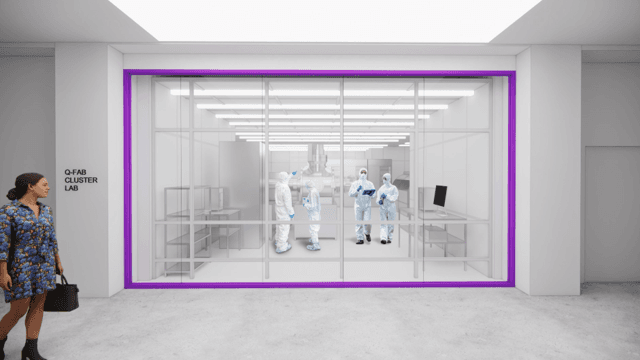
New York City wants a piece of the quantum future, and it just negotiated one.
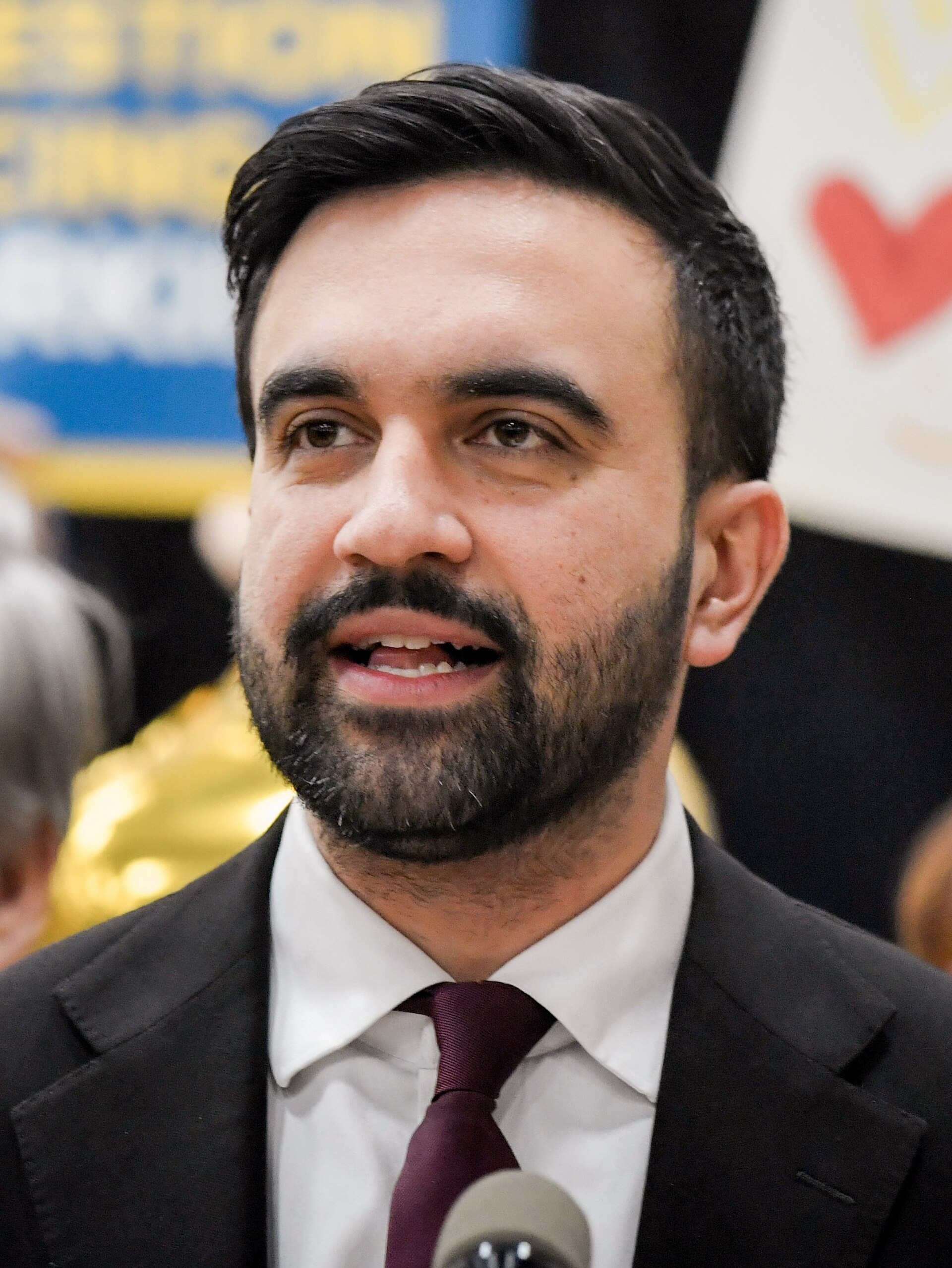
Mayor Zohran Mamdani announced on Wednesday, Oct. 14, that the city will put $29.2 million into a new Quantum Fabrication Facility (QFab) at New York University. In return, the city gets something it has never had before: a share of the money from intellectual property created there.
"Quantum is poised to become a multi-trillion dollar industry in the next few years," Mamdani posted on X. "We think New Yorkers should share in that profit."
Key takeaways
- The city is awarding NYU $29.2 million. NYU is adding $255 million for construction and 10 years of operation, for $284 million in total.
- The city gets three seats on QFab's Executive Advisory Board.
- It also gets 15% of NYU Central Administration's proceeds from inventions made at QFab with city-funded tools, including equity, royalties and patent licenses.
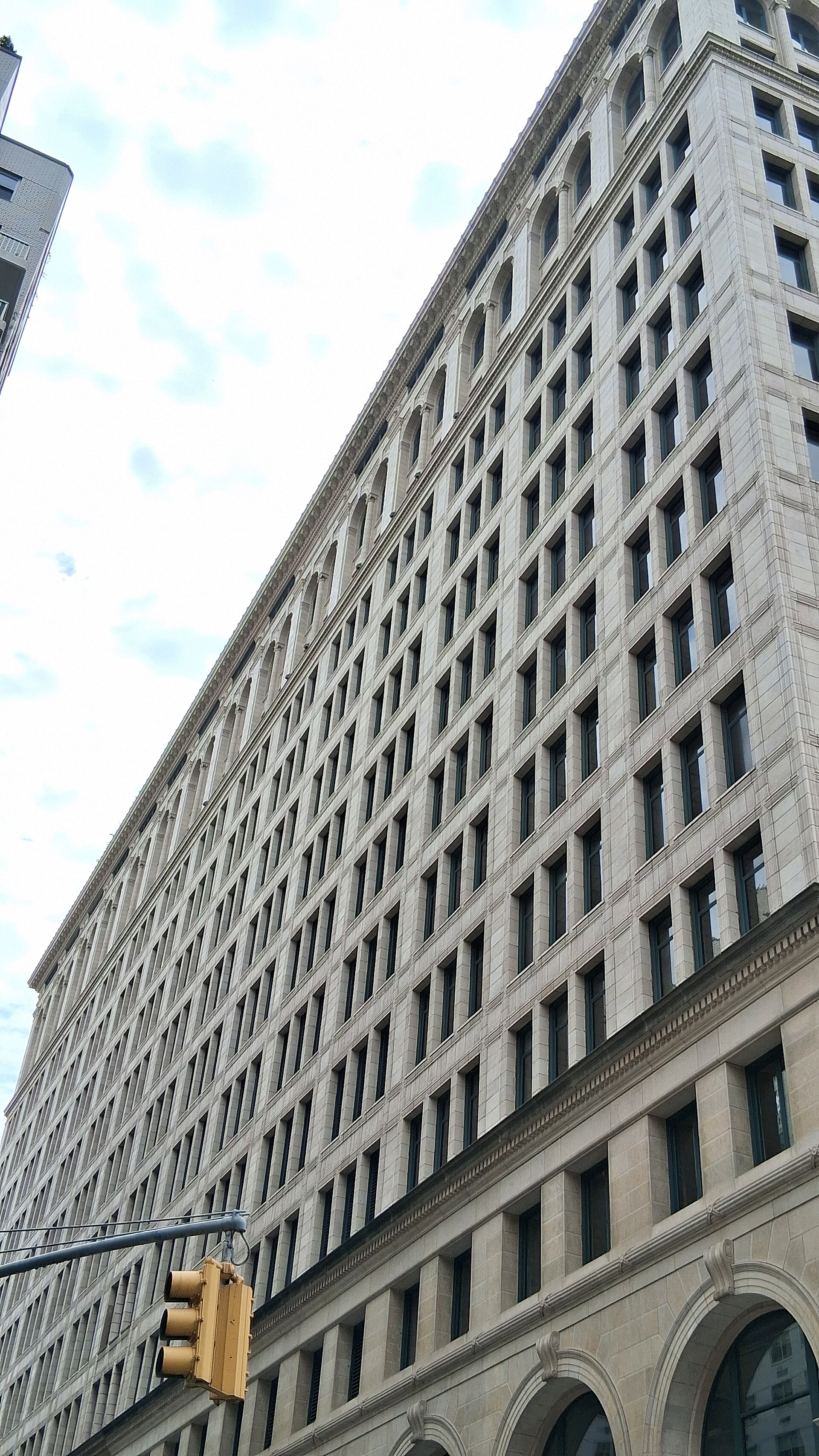
- The 23,000-square-foot lab at 770 Broadway is expected to open in 2030.

What QFab Will Be
QFab will be a shared facility with the equipment to make and test quantum chips and components, the specialized tools few startups could afford alone. According to the NYC Economic Development Corporation, the lab is expected to:
- support more than 100 companies, including nearly 50 it will incubate
- serve 50 newly formed startups
- reach more than 35,000 New Yorkers in its first decade, including over 5,000 students
The work will span quantum computing, communications and sensing, with possible uses in medicine and energy, amNY reported.
Source: NYC Economic Development Corporation, Oct. 2026
View the data
| Value | |
|---|---|
| NYU | $255M |
| New York City | $29.2M |
A First for New York City
The deal is the first time New York City has claimed a share of intellectual property revenue in exchange for public money, according to Washington Square News and amNY.
"So often, public subsidy is just put forward as an incentive without a question of whether the city should also be a part," Mamdani said.
Deputy Mayor for Economic Justice Julie Su put it more simply: "When the public invests in a new technology at the start, the public should share in the success." She told The New York Times the model draws on similar deals by democratic socialist governments abroad.
What the 15% Actually Covers
The headline number spread fast online, along with some confusion. It's narrower than "15% of everything," AOL noted:
- It applies only to IP created at QFab using equipment the city paid for.
- It's a share of NYU Central Administration's proceeds, not 15% of every company that uses the lab.
- It's not a guaranteed return. The city earns money only if those inventions make money.
The three board seats will go to the NYC Economic Development Corporation and two CUNY schools, the Borough of Manhattan Community College and City Tech. City officials hope that voice will steer research toward sustainability, medicine and energy efficiency.
- $284MTotal funding
- 15%City share of eligible IP proceeds
- 3City seats on the advisory board
- 2030Expected opening
- 23,000 sq ftLab size
- 3,000+CUNY students expected to benefitPer NYU Tandon dean Juan de Pablo
Source: NYCEDC, amNY
Jobs and Training
The city says the deal includes internships, summer workshops and certificate programs for CUNY and public school students. NYU projects about 2,000 permanent jobs, according to amNY.
"This is going to be the launchpad for an entire new industry with enormous opportunities for New Yorkers," said NYU President Linda Mills.
Mamdani didn't commit to making revenue-sharing mandatory for future city-funded projects, but said his administration hopes to use the model elsewhere.
FAQ
What is QFab?
QFab is NYU's planned Quantum Fabrication Facility, a 23,000-square-foot lab at 770 Broadway in Manhattan for making and testing quantum chips and components. It's expected to open in 2030.
How much is New York City investing?
$29.2 million. NYU is contributing $255 million, for about $284 million in total.
Does NYC really get 15% of the profits?
The city gets 15% of NYU Central Administration's proceeds from intellectual property created at QFab using city-funded equipment. It doesn't get 15% of all lab activity or of the companies that use it.
Has New York City done a deal like this before?
No. City officials and NYU describe it as the first time the city has taken a share of intellectual property revenue in exchange for an investment.