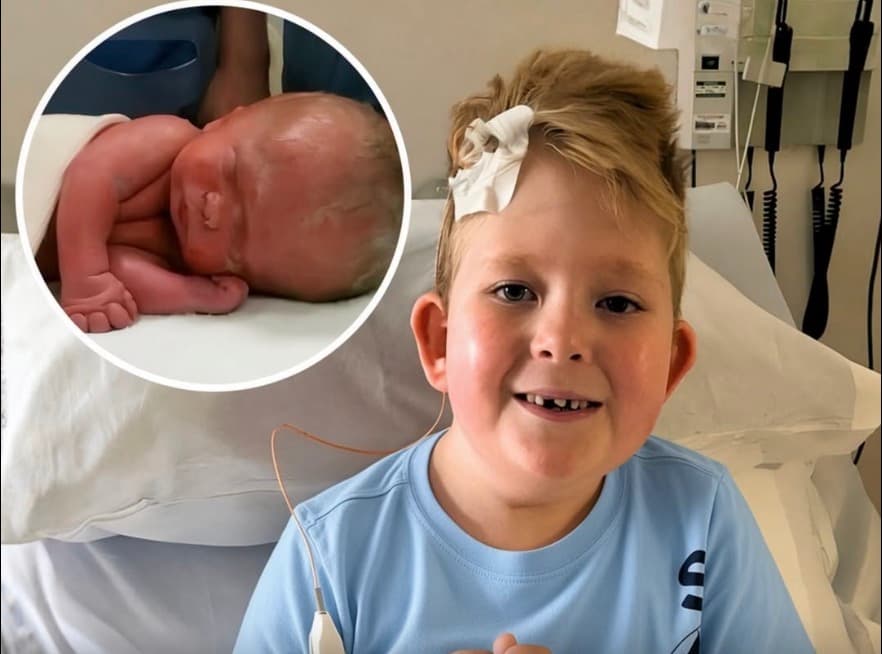
By the time Noah Wall was three, follow-up scans reportedly looked markedly different from those taken around his birth. A 2016 Channel 5 documentary described the change using two figures that have followed him ever since: about 2% at birth and nearly 80% at age three. Those figures come from public accounts of his case, and the reports describe them in different ways. Wellcome Collection’s documentary record
What happened to Noah Wall?
Noah was born in Cumbria, England, in 2012 with spina bifida and hydrocephalus. His parents, Shelly and Rob Wall, had been warned that he might not survive. He survived, and ITV returned to his story in 2022 when he turned ten. ITV News birthday follow-up
Hydrocephalus occurs when cerebrospinal fluid builds up in the brain, increasing pressure. Noah received a shunt to drain excess fluid. The NHS explains that a shunt uses a thin tube and valve to carry fluid to another part of the body, usually the abdomen, where it can be absorbed. NHS guide to hydrocephalus treatment
What do the percentages tell us?
The documentary’s catalogue entry describes the numbers as brain growth. ITV’s coverage describes them in terms of brain function. Those are different measurements. The public accounts reviewed here do not provide the clinical measurements or methods needed to establish how much brain tissue was present at either point. The figures are best understood as reported estimates, and they cannot establish that Noah regenerated a specific amount of brain tissue. Documentary record · ITV’s reporting on the scans
For Noah’s family, some of the most meaningful changes were ones they could see and hear without a scan. He learned to speak and communicate, milestones that took on particular meaning after the warnings his parents received before his birth. ITV News follow-up