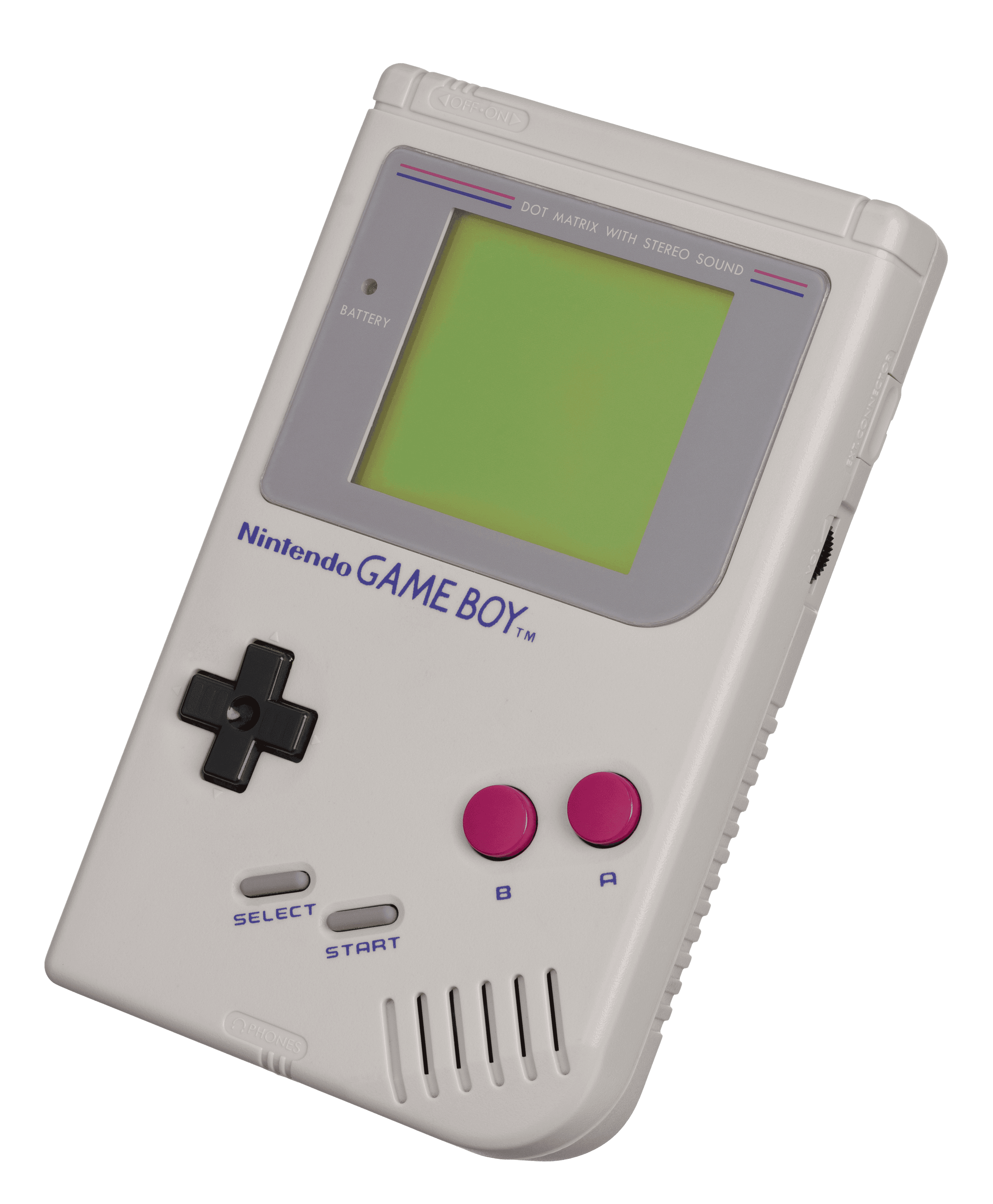
For one Japanese grandmother, a Game Boy was a familiar way to enjoy Tetris. When the handheld stopped working, her daughter tried to find a repair, then turned to Nintendo.
According to the daughter's account, the company could not fix the old machine. Instead, it found a replacement that let her mother keep playing.
The story circulated internationally in February 2020. It is a family's recollection of a particular response, not an announcement that Nintendo still repairs or replaces the original Game Boy.
Featured photograph: Illustrative product photograph: an original Nintendo Game Boy, not the grandmother's device.
Photo: Transfrom JPEG version and remove white background. Original by Evan-Amos., via Wikimedia Commons, Public domain. Photograph reproduced without editorial alteration.

A letter about a familiar pastime
Nintendo Life's contemporary report traced the story to Kuniko Tsusaka's contribution to the Japanese newspaper Asahi Shimbun.
Tsusaka said her mother was 95 when her Game Boy failed. She could not find a nearby shop able to sell a new one or repair it.
A family conversation about Nintendo's helpful customer support prompted a handwritten letter. Tsusaka sent the broken device to the company with her explanation.
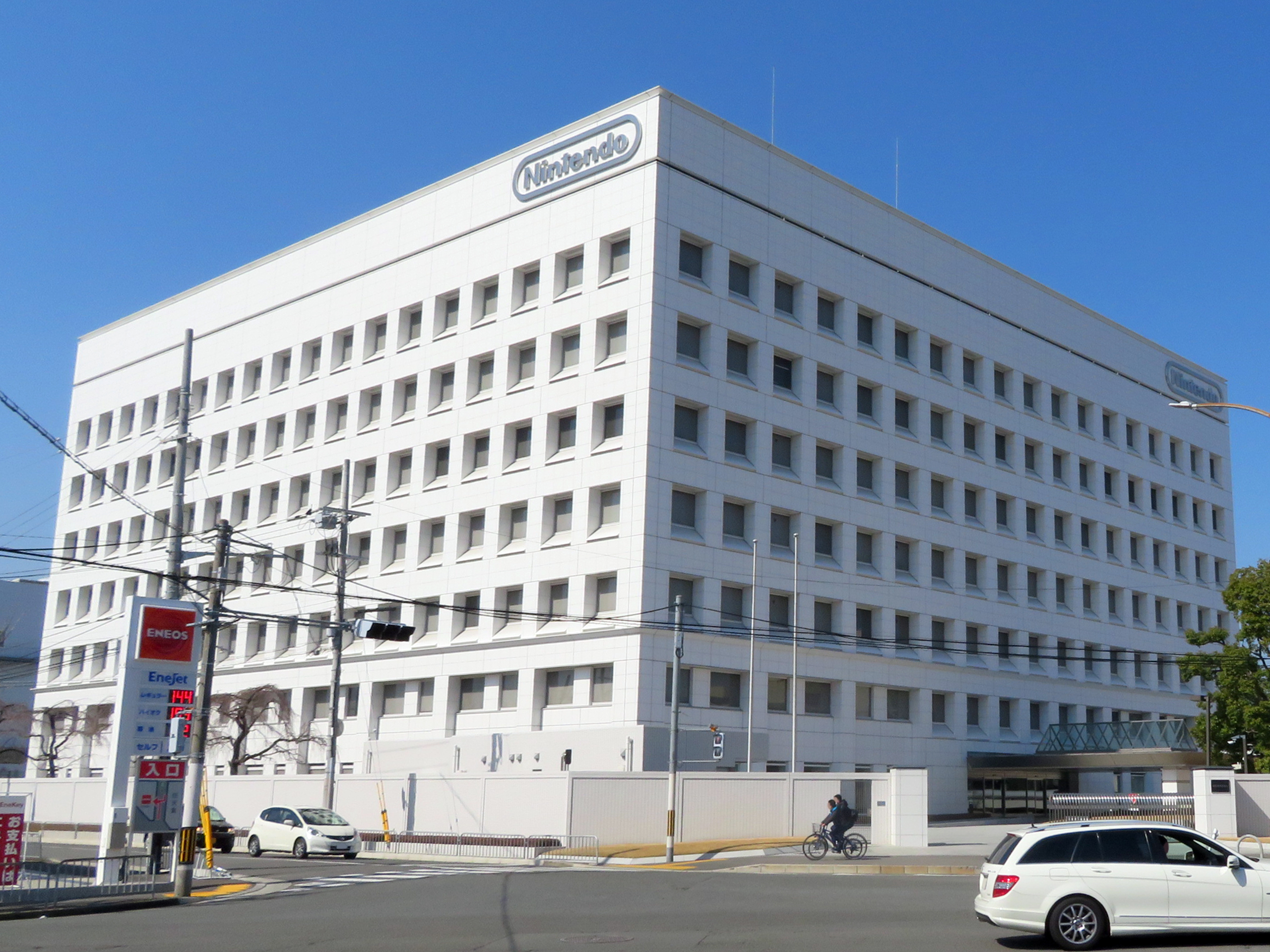
Photo: Tokumeigakarinoaoshima, via Wikimedia Commons, CC BY-SA 4.0. Photograph reproduced without editorial alteration.

A replacement rather than a repair
As COGconnected also reported at the time, the response described by Tsusaka was unusual. Replacement parts were unavailable, but staff reportedly located a new Game Boy in a warehouse.
The family said the reply arrived within a week and included good wishes for her mother. The account later described her living to 99.
The report does not establish that playing Tetris caused her longevity. Its subject is a personal pleasure that mattered to her, and a response her daughter remembered.
A small object with a family story
NintendoSoup's account likewise attributed the details to the newspaper contribution, rather than a new corporate statement.
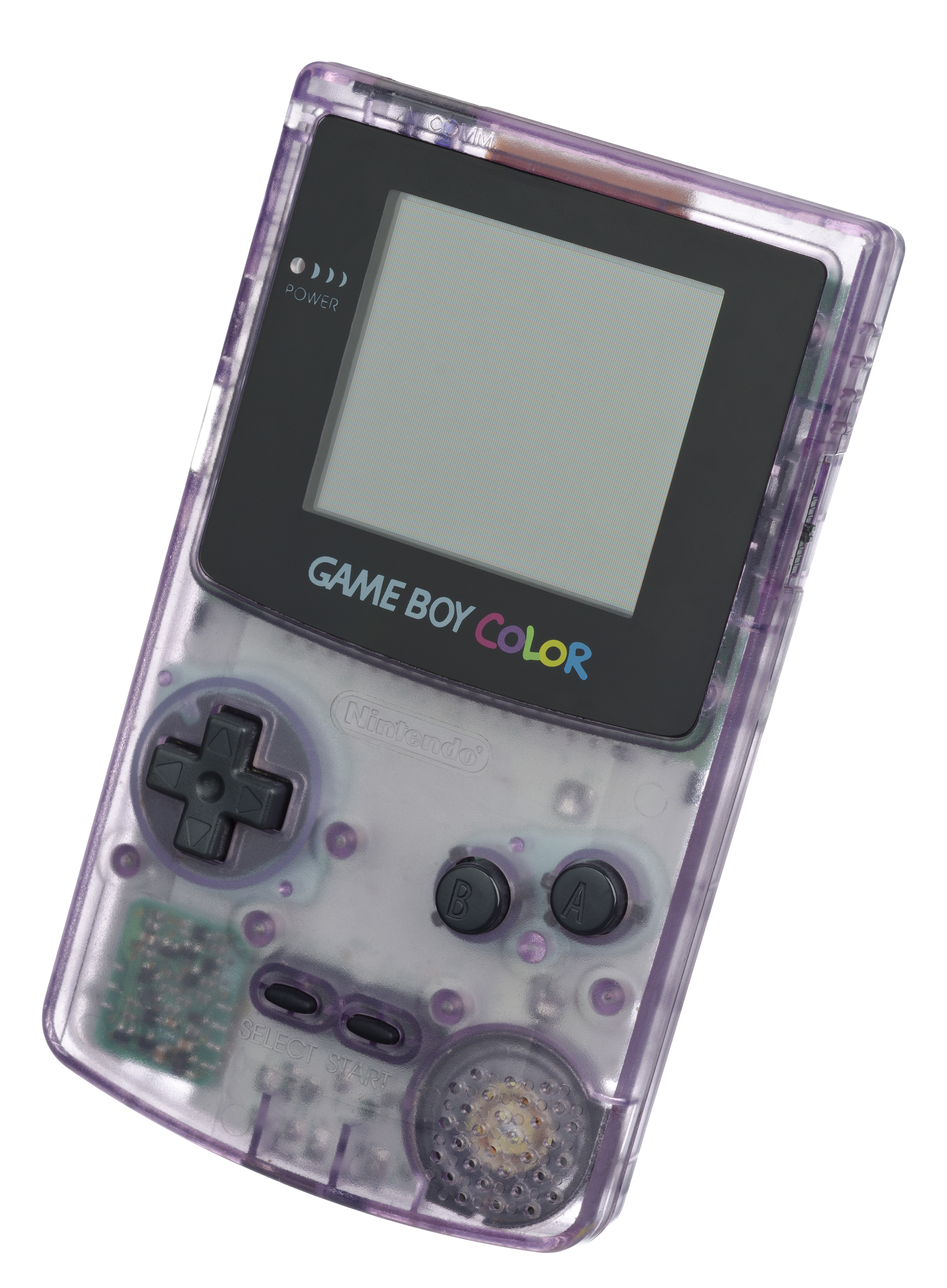
Photo: Evan-Amos, modified by Gunnar.offel, via Wikimedia Commons, Public domain. Photograph reproduced without editorial alteration.

That attribution matters. The story can be appreciated as a daughter's recollection without turning it into a general guarantee about customer service.
A familiar game was part of her mother's daily life. Years later, the daughter still associated the machine with time her mother had enjoyed.