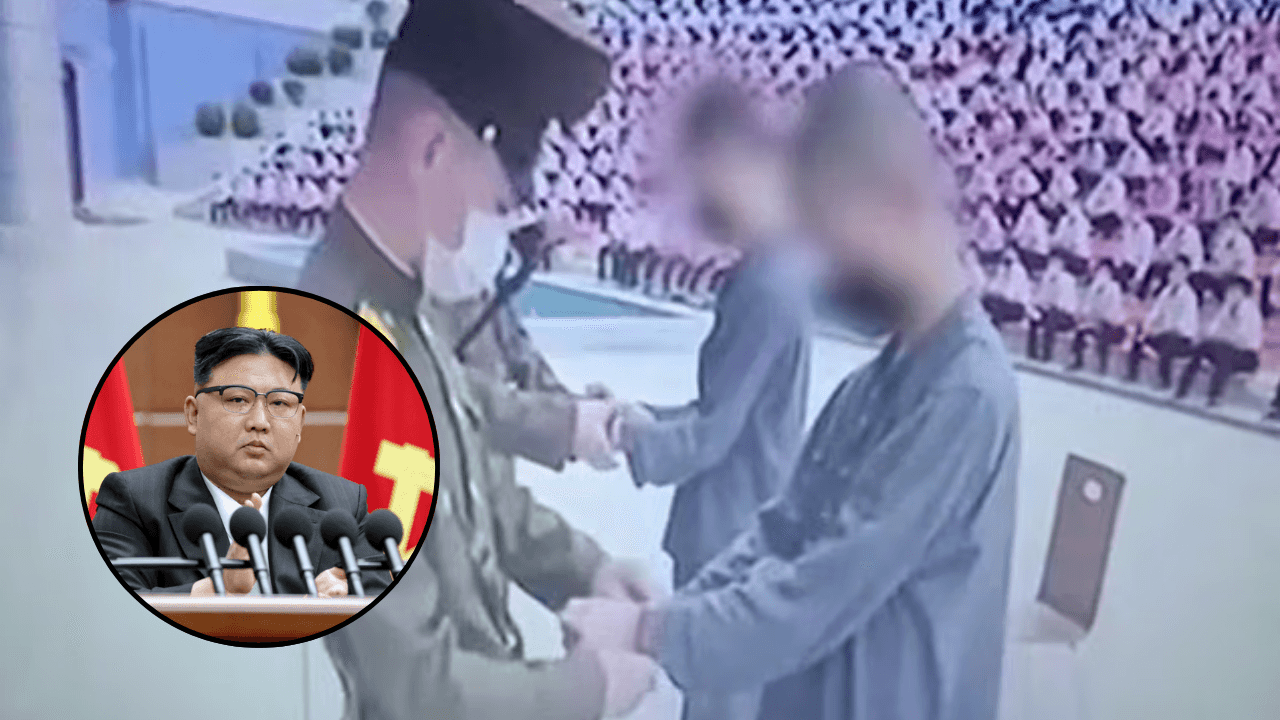
A new human rights report says North Korea sharply increased executions and death sentences during the Covid pandemic, as Kim Jong Un’s government tightened control over culture, speech, and political loyalty. The report, released by the Seoul based Transitional Justice Working Group, says the rise was especially tied to bans on foreign media, religion, and political offenses.
Reuters reported that the group documented 60 execution cases involving 148 people between 2020 and 2024, up from 41 executions in the previous five year period. The report also says death penalty cases tied to foreign culture, religion, and what the state labels “superstition” rose by 250 percent after North Korea sealed its borders in early 2020.
What the new report found
The report examines 144 known cases of executions and death sentencings under Kim Jong Un and says they involved at least 358 people since he took power. It identifies 46 execution sites and says around 70 percent of the killings were carried out in public, often in places such as airfields, riverbanks, farm areas, and other open locations where crowds could be made to watch.
Most of the known executions were carried out by firing squad, according to the report. It also says some killings were carried out away from public view, which researchers say makes it harder to track the full scale of what happened.
Why the pandemic years mattered so much
Researchers say the pandemic gave Pyongyang a chance to tighten control with less outside scrutiny. North Korea closed its borders in January 2020, and rights groups say that shutdown deepened long standing abuses while making it harder for information to get out.
The report says the biggest jump came in cases linked to watching or sharing South Korean dramas, films, and music. Before the pandemic, murder was the most commonly reported reason for executions. During the lockdown years, punishment for foreign cultural content became the leading category.
Political fear also appears to be rising
The report says executions for political crimes rose from 4 cases before the pandemic period to 28 after the border closure. Researchers say that may reflect growing internal tension and a stronger push by the regime to silence criticism or signs of disloyalty.
That matters because North Korea has long been accused of using fear as a tool of control. Human Rights Watch said in its 2026 world report that the government has increased surveillance, censorship, forced labor, and severe punishments over the past decade, echoing earlier UN findings about systematic abuses.
How the researchers built the case
The Transitional Justice Working Group says its findings were based on interviews with hundreds of North Korean escapees, along with satellite imagery and information from media networks with sources inside the country. Reuters reported that the group used testimony from 880 defectors as part of its wider research effort.
That method also shows the limits of reporting on North Korea. Because the country has no free press and little international access, researchers often have to piece together evidence from survivor testimony, outside reporting, and mapping technology.
What North Korea says
North Korea has long rejected accusations of widespread human rights abuses, often claiming that outside critics are politicizing the issue. Reuters said North Korean diplomatic missions did not comment on the new report when asked.
Still, the findings fit a much broader pattern described by outside monitors. A recent analysis citing the UN High Commissioner for Human Rights said there has been no overall improvement in North Korea’s human rights situation over the last decade.
Why this report matters now
This report matters because it suggests North Korea’s death penalty system did not just continue during the pandemic. It appears to have expanded in both scale and purpose, reaching deeper into everyday life, culture, and political behavior. That is an inference based on the report’s findings about foreign media, religion, and political offenses.
Readers can review the Transitional Justice Working Group report and Reuters’ coverage here. The central message is stark: as North Korea shut itself off from the world, the cost of crossing the regime appears to have grown far more deadly.