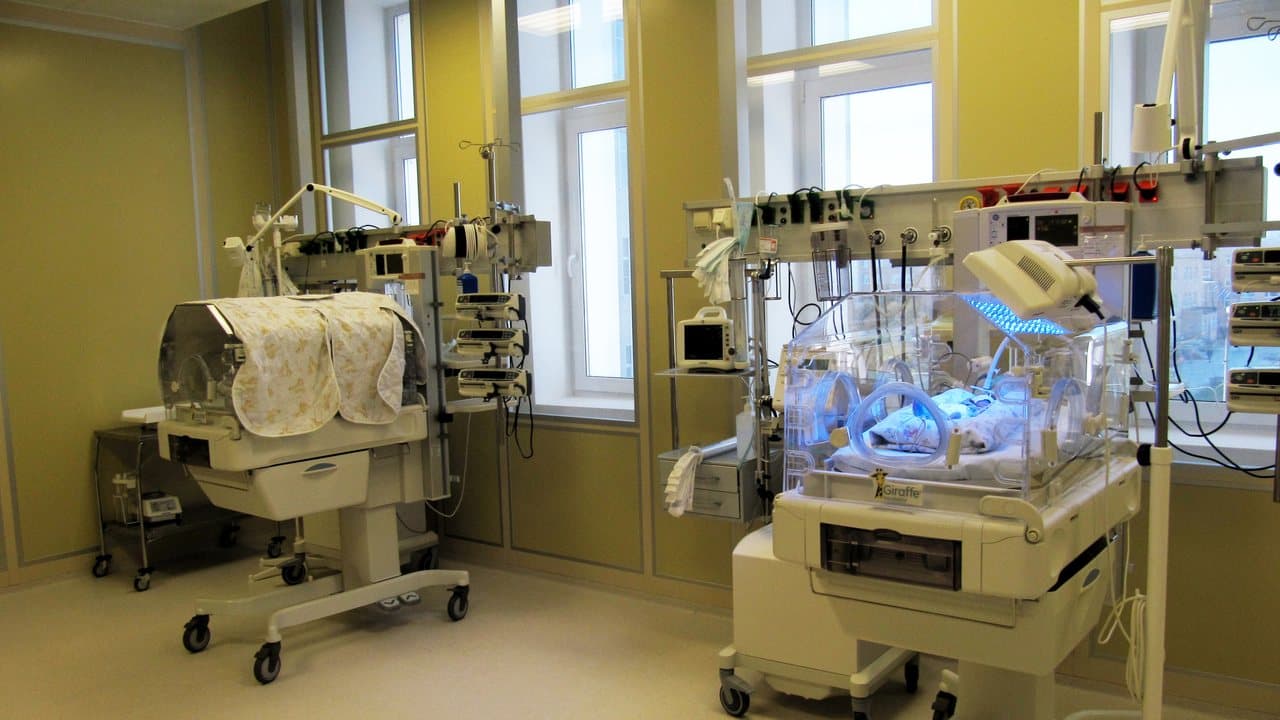
Featured photo: A neonatal intensive-care room in Ryazan, Russia. Illustrative care setting; Nash and his Iowa medical team are not pictured.
Nash Keen was born at exactly 21 weeks of pregnancy, weighing just 285 grams, about 10 ounces. Two years later, his family was celebrating his birthday and the progress behind it.
Born on July 5, 2024, at University of Iowa Health Care in Iowa City, Nash was recognized by Guinness World Records as the world's most premature surviving baby. His second birthday arrived in July 2026.
A beginning 133 days early
Guinness World Records checked in with the family ahead of his birthday. Nash had arrived 133 days before his due date and spent about six months in neonatal intensive care before going home in early 2025.
The record brought international attention to a family's experience that continued well beyond discharge. Going home was an important step, followed by ongoing care and new milestones.
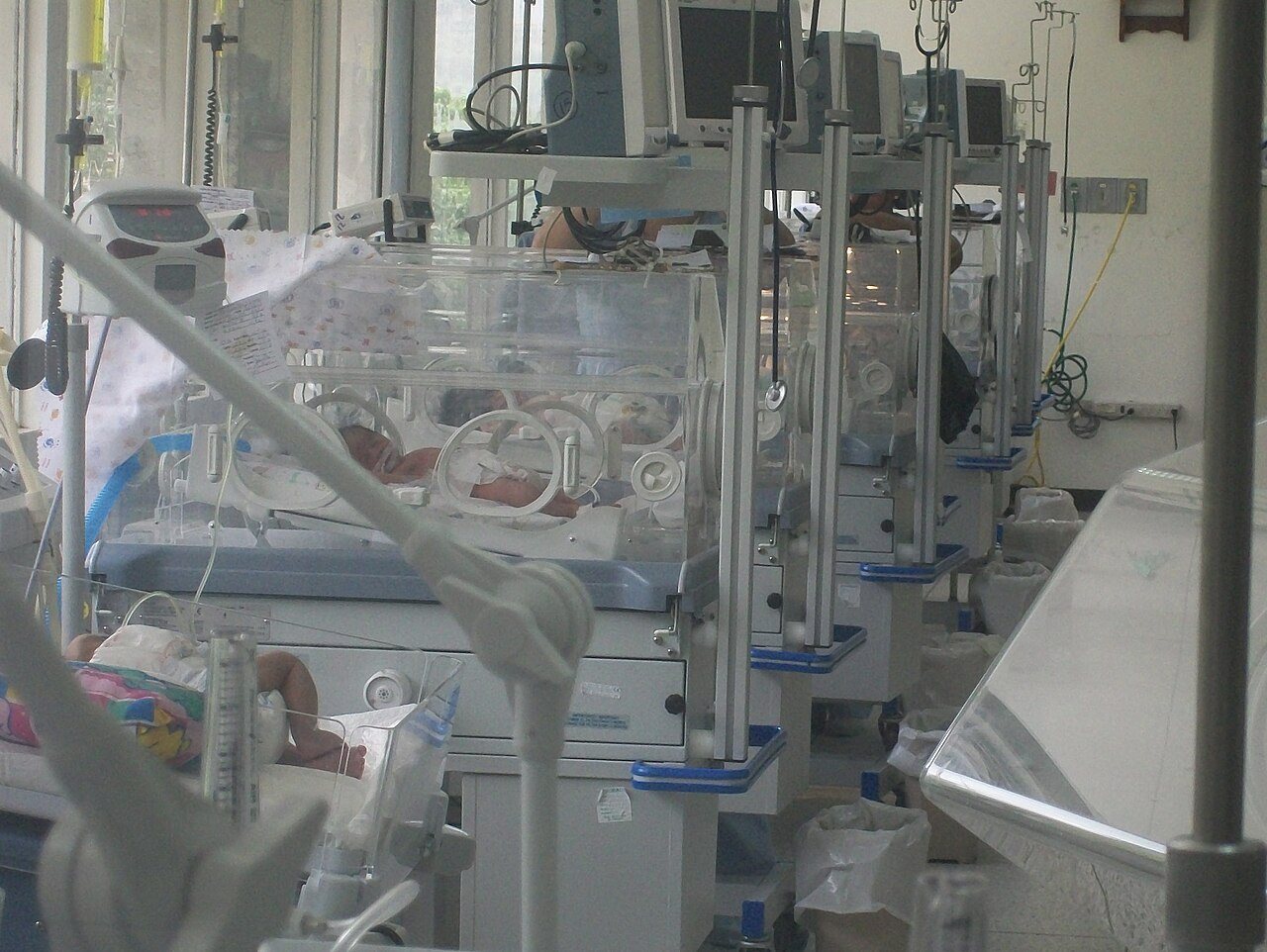
A neonatal intensive-care unit in Maracay, Venezuela. Illustrative photo; not the unit where Nash was treated.
Progress at his own pace
In a July 27, 2026 interview with KCRG, his mother, Mollie Keen, described Nash crawling, sitting up independently and adding words to his vocabulary. He was also beginning to feed himself.
He continued to receive physical, occupational and speech therapy. At that time, he still used a feeding tube and received oxygen while sleeping after recent respiratory illnesses.
Those details belong beside the birthday celebration. The family's pride included both his progress and the work still involved in caring for him.
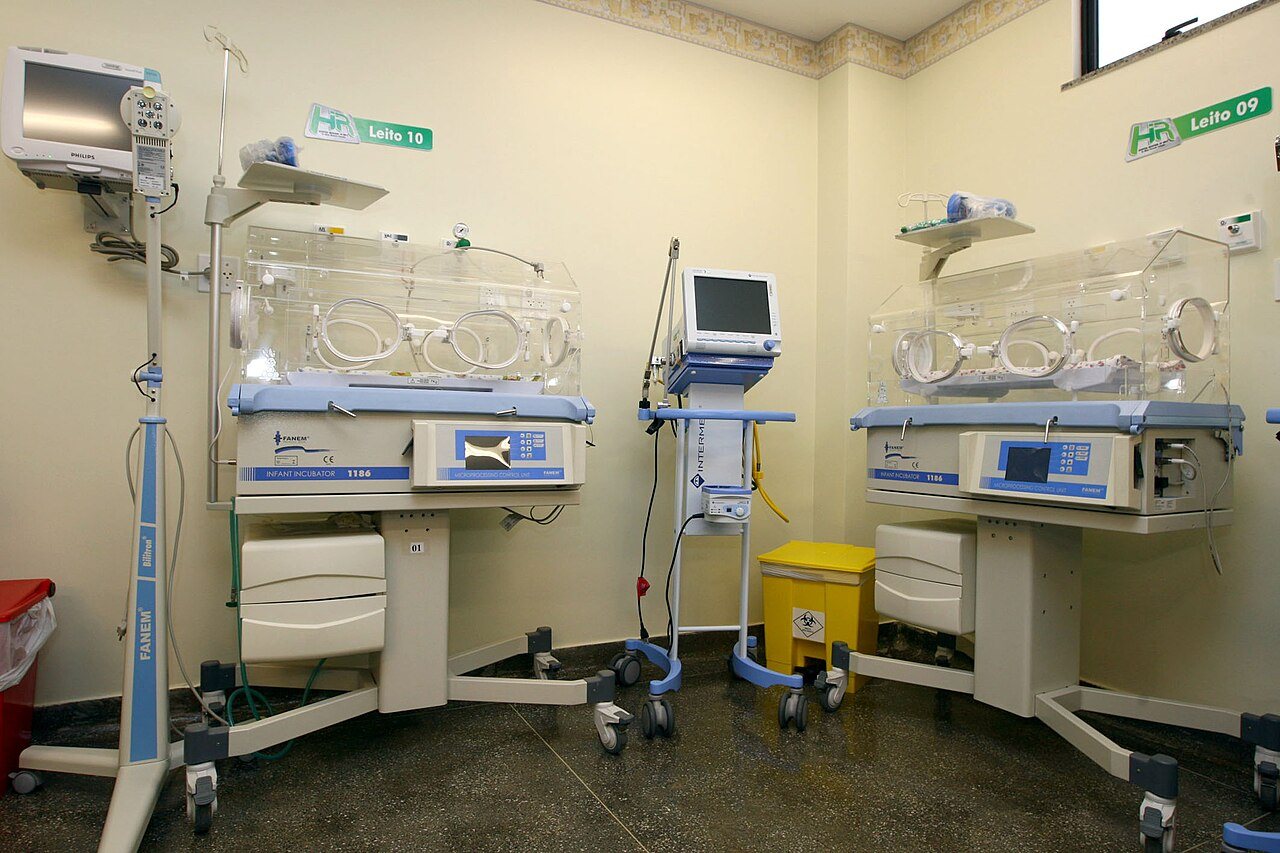
Neonatal intensive care in Irecê, Bahia, Brazil. Illustrative photo; not Nash or his hospital.
A family sharing hope
Mollie told KCRG that parents of other extremely premature babies had reached out to her. She valued the opportunity to support families navigating similar uncertainty.
Guinness's birthday update also described a recent respiratory hospital stay, showing that the family's experience included setbacks alongside celebrations. Nash's story is his own, rather than a prediction of another baby's outcome.
The University of Iowa’s pediatrics news archive also recorded his recognition as the record holder in July 2025. His second birthday marked two years of care from his family and medical teams. For those closest to him, the daily achievements mattered as much as the record: sitting, moving, learning and taking another step forward.
Photo credits
Featured: The intensive therapy unit of the perinatal care center in Ryazan.JPG by KirillKoriakin. CC BY-SA 3.0. Cropped to 16:9 and resized. Adaptation shared under the same license.

Body 1: UCIN HCM.JPG by Bobjgalindo. CC BY-SA 4.0. Resized; JPEG conversion. Adaptation shared under the same license.

Body 2: UTI Neonatal - Hospital Mário Dourado Sobrinho - Irecê - BA.jpg by Manu Dias / AGECOM. CC BY 2.0. Resized; JPEG conversion.
