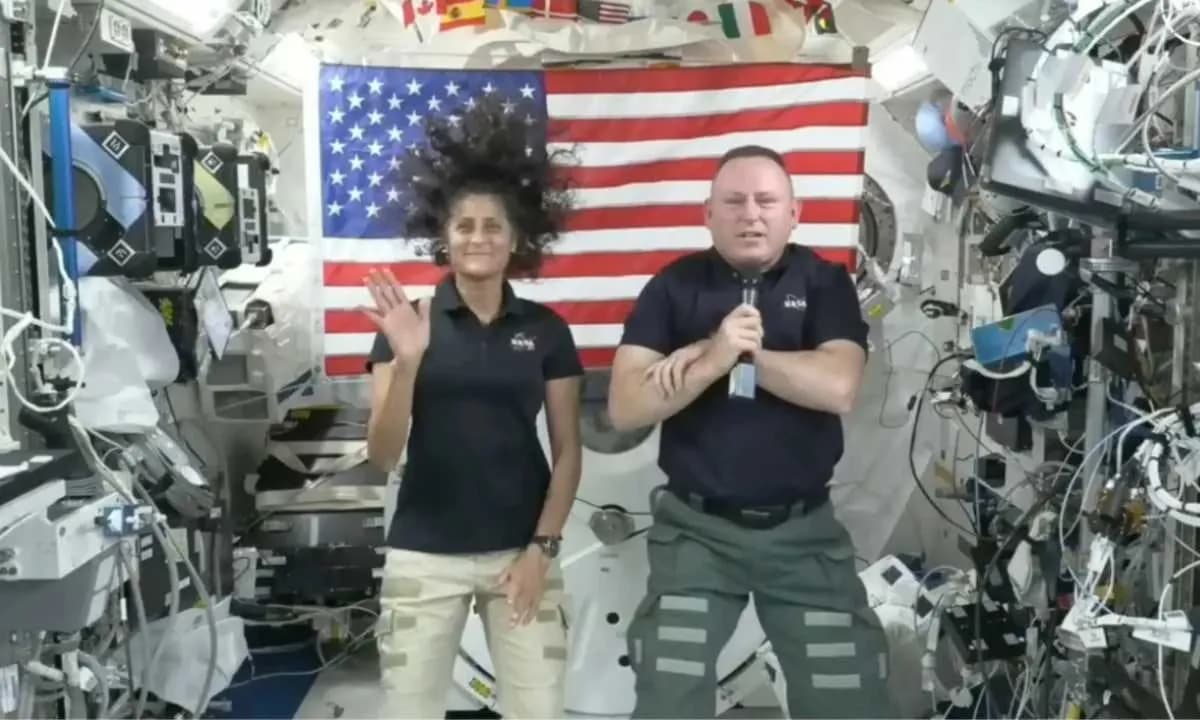
Sunita Williams, an Indian-origin American astronaut, and her colleague Barry Wilmore embarked on a space journey that was originally planned as an eight-day mission aboard Boeing’s Starliner spacecraft. However, the mission took an unexpected turn. A malfunction in the spacecraft’s thrusters stranded them on the International Space Station (ISS). However, NASA announced the astronaut’s plans to return in February 2025. Everyone including Sunita and Barry was looking forward to the return. But once again, to everyone’s dismay, their rescue got delayed for another month. Now their stay is extended until the end of March 2025.
The Starliner experienced a failure in five of its 28 thrusters during its approach to the ISS. This issue extended their stay far beyond the original timeline. Now, their stay is heading into its tenth month. It stretches well beyond the six months they’ve already endured since June 2024.
Recent Delay Announcement
NASA recently announced that the astronauts’ return will be further delayed. They were initially set to return to Earth in February 2025 on SpaceX’s Crew-10 Dragon capsule. However, delays in the Crew-10 mission mean they won’t be leaving the ISS until at least March 2025. This delay is tied to the fabrication and testing of a new Dragon spacecraft.
NASA’s Commercial Crew Programme Manager, Steve Stich, explained, “Fabrication, assembly, testing, and final integration of a new spacecraft is a painstaking endeavor that requires great attention to detail.”
The astronauts’ extended stay has sparked concerns about their health and well-being, alongside public empathy for their resilience.
The Challenges of a Prolonged Stay in Space
Life on the ISS
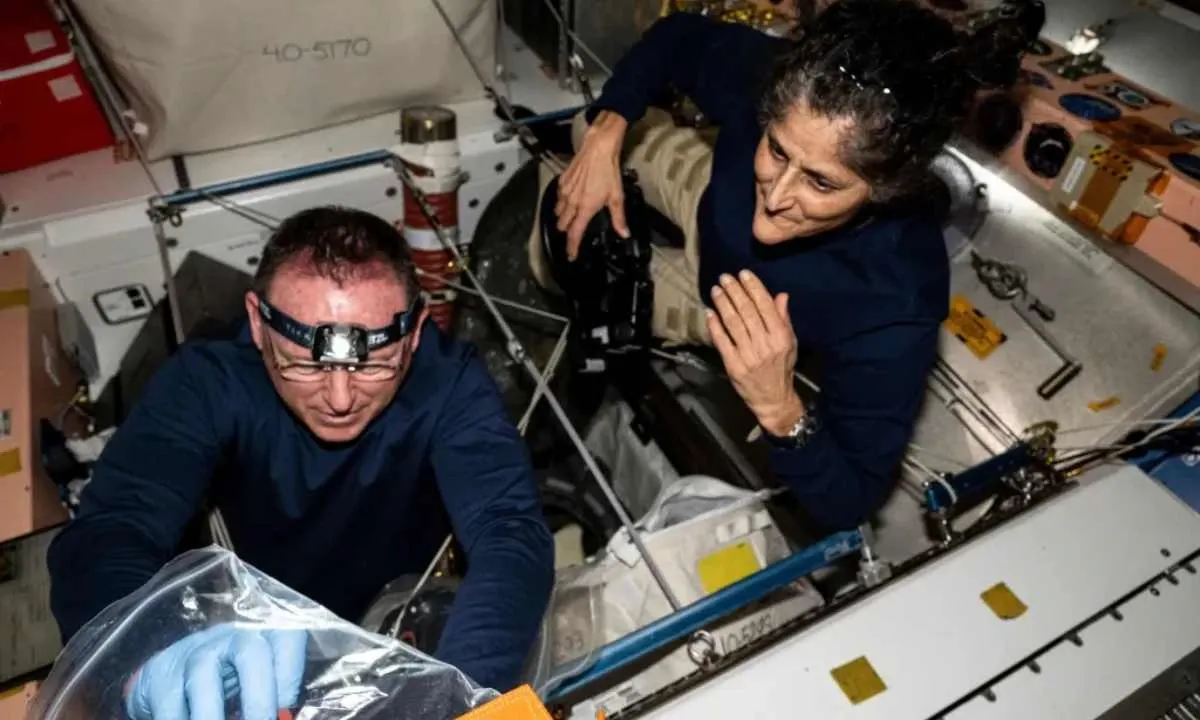
Life on the ISS is demanding, even for experienced astronauts like Sunita Williams. Prolonged missions require physical adaptations, strict exercise routines, and careful mental health management. Sunita and Barry have had to adjust to the unplanned extension by maintaining a daily schedule focused on research, physical activity, and team collaboration.
Health Concerns
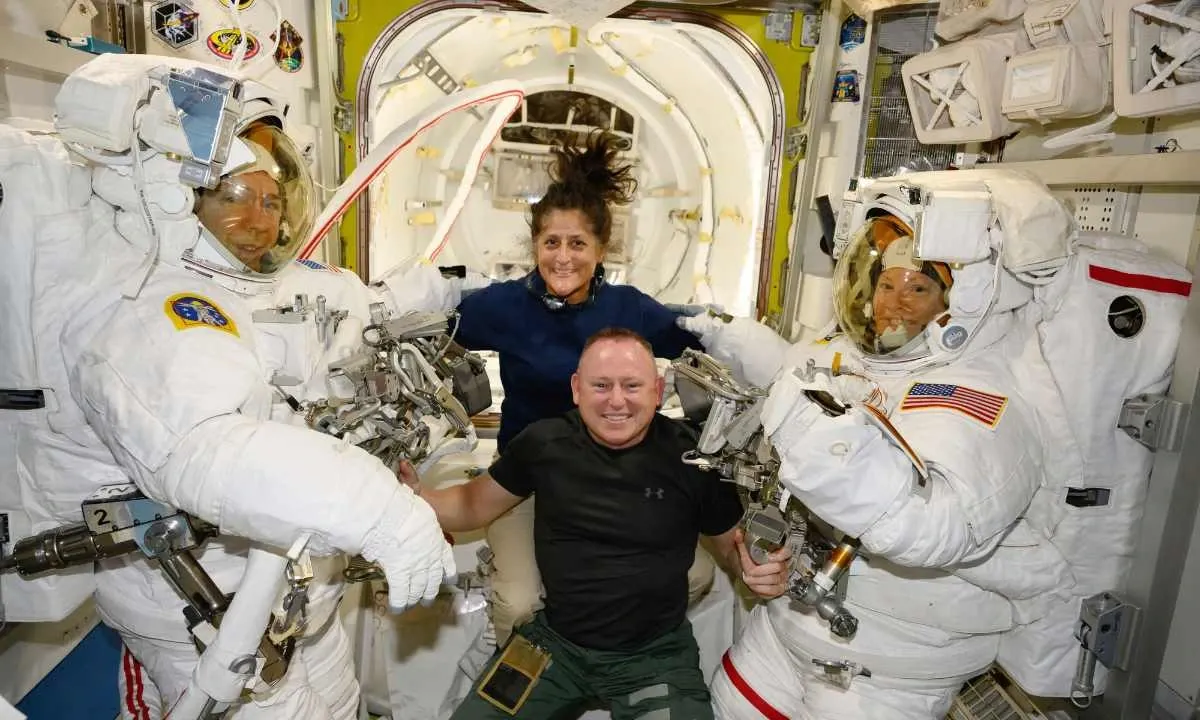
Spending nearly a year in space comes with unique health risks. Prolonged exposure to microgravity can cause muscle loss, bone density reduction, and changes in metabolism. In fact, images shared earlier this year showed noticeable weight loss in Sunita Williams, drawing attention to the physical toll of her extended mission.
Astronauts in space need to consume twice the calories of an average person on Earth due to the changes in their metabolism. NASA has also worked to keep the astronauts’ spirits high. Recently, they celebrated Christmas aboard the ISS, with festive photos shared by NASA capturing their holiday cheer despite the challenges.
What Caused the Delays?
The Starliner Malfunction
The initial delay stemmed from issues with Boeing’s Starliner spacecraft. During its approach to the ISS, five out of 28 thrusters failed, leaving the spacecraft unable to complete its mission. Addressing such malfunctions in space is an enormous technical challenge, especially for a new spacecraft model like the Starliner.
SpaceX’s Dragon Mission
To bring Williams and Wilmore home, NASA planned for them to return on the Crew-10 Dragon capsule, which would replace the current Crew-9 mission on the ISS. However, due to the intricate process of developing and testing a new Dragon spacecraft, Crew-10’s launch has been pushed back to March 2025.
As Steve Stich noted, “We appreciate the hard work by the SpaceX team to expand the Dragon fleet in support of our missions and the flexibility of the station program and expedition crews as we work together to complete the new capsule’s readiness for flight.”
The Starliner Mission: From Launch to Stuck
The Starliner spacecraft launched on June 5, 2024, from Florida’s Cape Canaveral Space Force Station after two earlier attempts were scrubbed on May 6 and June 1. The mission, already facing delays and setbacks, has cost over $1.5 billion more than planned.
Initially, NASA indicated that the Starliner was designed to spend only about 45 days in space, based on the spacecraft’s battery capacity and its certification for orbital use. However, with the extended mission, NASA has assured the public that the Starliner’s systems, particularly the batteries, are performing better than expected and can handle the longer stay.
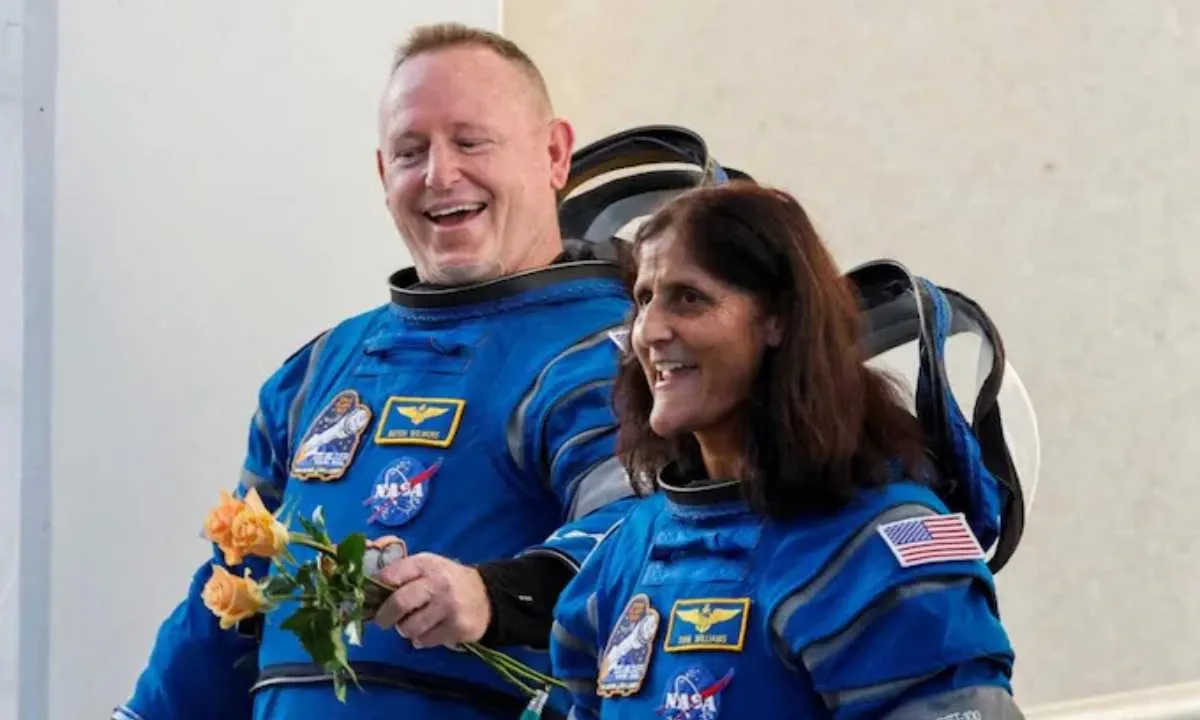
Despite this, the mission has encountered technical issues, including reaction control thruster failures and helium leaks. While most of these problems have been stabilized, one out of 27 thrusters remains offline. Boeing has stated that this won’t affect the spacecraft’s eventual return journey, though the incident has sparked discussions about the reliability of the Starliner and its future missions.
NASA Doesn’t Want Us to Think Astronauts Are Stranded
Both NASA and Boeing have made it clear that Sunita Williams and Barry Wilmore are not stranded on the ISS. NASA’s Steve Stich emphasized, “We are taking our time and following our standard mission management team process.”
Boeing has also reassured the public that they are closely monitoring and managing the helium leaks and thruster performance issues. They are confident that the spacecraft is safe for its return journey. A Boeing spokesperson stated that the spacecraft has sufficient helium in its tanks to support up to 70 hours of free flight activity after undocking from the ISS.
Additionally, NASA has highlighted that the astronauts are well-supplied. The station is equipped with enough resources to support them, and the schedule allows flexibility for their return. As explained by the Boeing spokesperson:
“We have adjusted the return of the Starliner crew flight test until after two planned spacewalks on Monday, 24 June, and Tuesday, 2 July. The crew is not pressed for time to leave the station since there are plenty of supplies in orbit, and the station’s schedule is relatively open through mid-August.”
Implications of the Delay
Delays like these can have a ripple effect on NASA’s overall plans. The ISS operates on a tight schedule, balancing research, crew rotations, and maintenance. Prolonged stays and rescheduled missions can disrupt this balance, affecting future collaborations and timelines.
This mission highlights the risks involved in developing and deploying new spacecraft. For Boeing, the Starliner’s malfunction raises questions about the reliability of their systems. Such incidents could influence NASA’s future partnerships and investments in space exploration technologies.
The prolonged stay has drawn significant public attention. Social media reactions range from concern over the astronauts’ health to admiration for their resilience. Many have also emphasized the importance of NASA’s transparency during these setbacks to maintain public trust.
Conclusion
Sunita Williams and Barry Wilmore’s perseverance during this extended mission underscores the mental and physical strength required of astronauts. Their ability to adapt and continue their work in the face of uncertainty is a testament to their professionalism and dedication.
While their return has been delayed again, the anticipation surrounding the Crew-10 mission remains high. This incident serves as a reminder of the complexities of space travel and the need for innovation and meticulous planning. Despite the challenges, their eventual return will mark another milestone in humanity’s journey of exploration beyond Earth.
Also read,