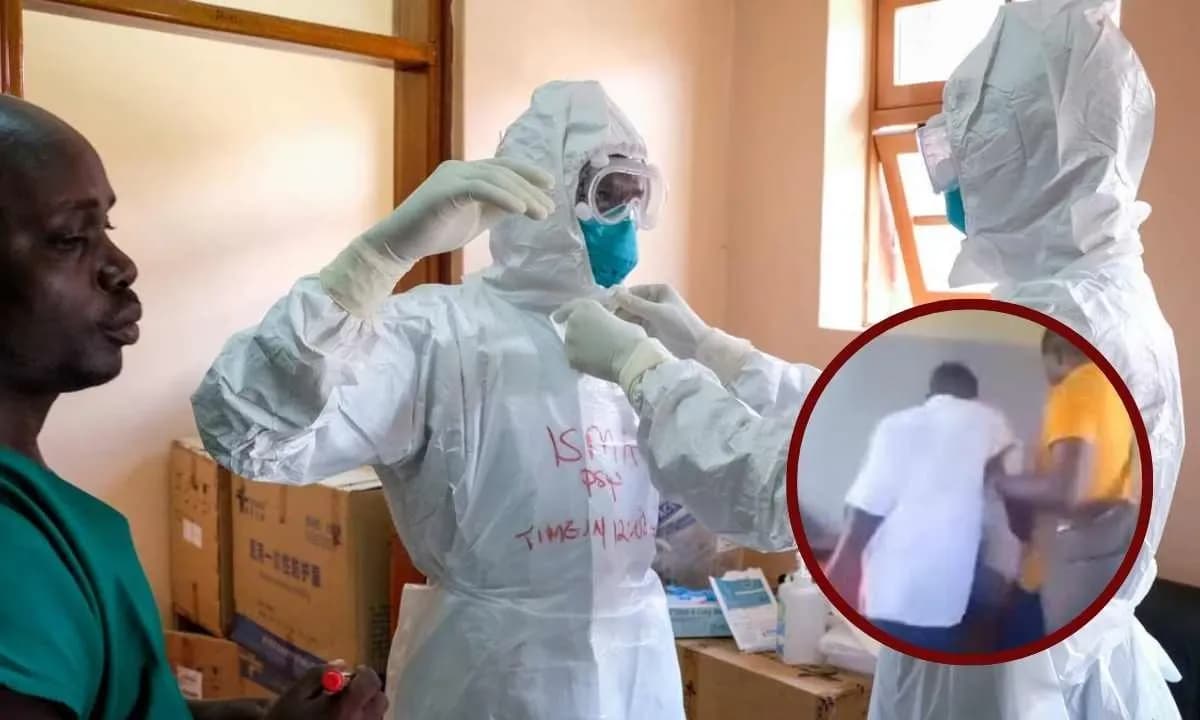
In Uganda’s Bundibugyo district, a baffling illness called “Dinga Dinga” is spreading rapidly, leaving both locals and medical professionals searching for answers. With around 300 cases reported, the disease primarily affects women and girls. Its most peculiar symptom? Uncontrollable body shaking that resembles dancing.
So far no fatalities have been reported. However, the mystery surrounding “Dinga Dinga” evokes memories of historical phenomena like the “Dancing Plague” of 1518 in Strasbourg, France, where people danced for days. Some to the point of exhaustion and death. Could these bizarre outbreaks share a connection, or is this something entirely new? Let’s find out.
The Symptoms of ‘Dinga Dinga’: Shaking, Weakness, and Paralysis
Patients suffering from Dinga Dinga experience a range of debilitating symptoms, including:
- Excessive body shaking, is often compared to dance movements.
- Fever and extreme weakness.
- In some cases, temporary paralysis, makes it nearly impossible to walk.
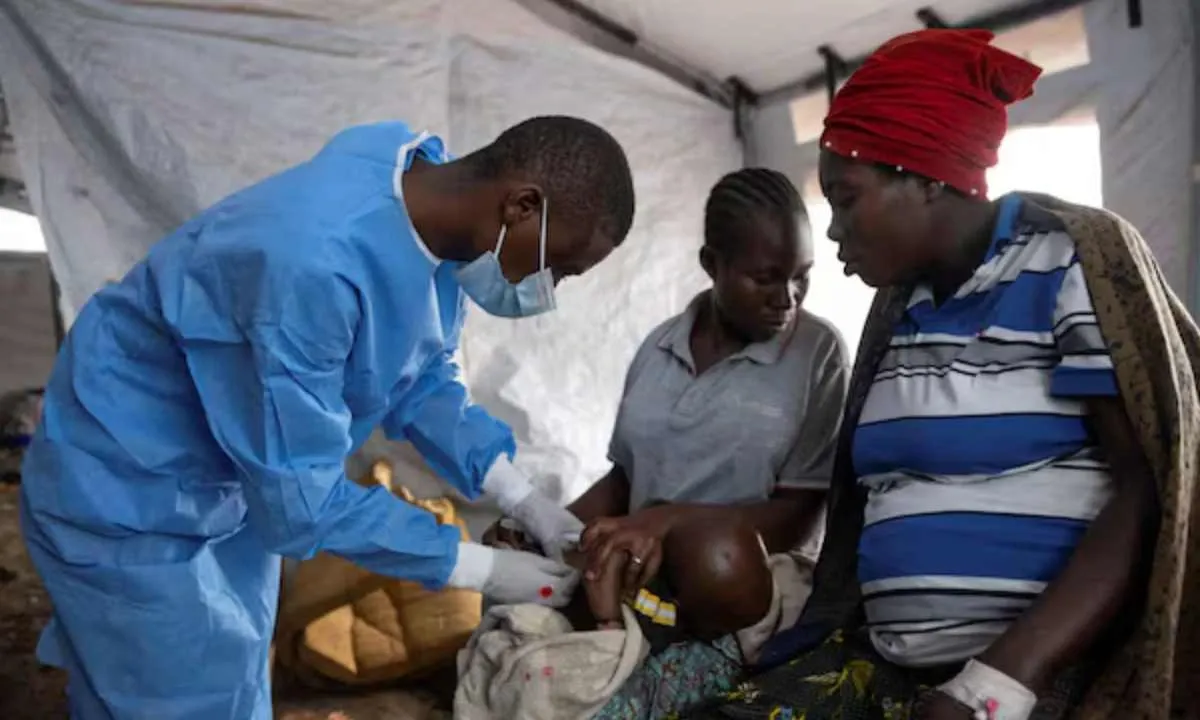
A local patient, Patience Katusiime, shared her struggle with the illness:
“I felt weak and got paralysed, with my body shaking uncontrollably whenever I tried to walk. It was very disturbing.”
The illness has so far been confined to the Bundibugyo district. This is in stark contrast to another mysterious outbreak in the Democratic Republic of the Congo (DRC), where 394 cases and 30 fatalities have been reported. Symptoms there include fever, headaches, coughs, runny noses, and body aches. Investigations in both countries continue, but definitive causes remain elusive.
Medical Investigation: What We Know So Far
Local health officials in Bundibugyo are working diligently to understand and treat Dinga Dinga.
Current Treatments:
- Patients are being treated with antibiotics, and most recover within a week.
- According to Dr. Kiyita Christopher, the district health officer:”There is no scientific evidence that herbal medicine can treat this disease. We are using specific treatments, and patients usually recover within a week.”
Ongoing Efforts:
- Samples from patients have been sent to Uganda’s Ministry of Health for analysis.
- Dr. Christopher has urged locals to avoid herbal remedies, emphasizing the importance of seeking treatment at health facilities.”I urge locals to seek treatment from health facilities within the district,” he said.
So far, no cases have been identified outside Bundibugyo, adding to the mystery of why the outbreak is so localized.

A Historical Lens: Lessons from the Past
Strange outbreaks like Dinga Dinga are not unprecedented. One of the most famous examples is the “Dancing Plague” of 1518 in Strasbourg, where people inexplicably danced for days. Scholars have debated its causes, suggesting everything from mass hysteria to contaminated food.
Historically, such phenomena have often been misunderstood, leading to fear and misinformation. While modern medicine offers more tools for understanding these events, they remain a reminder of how little we sometimes know about the human body and its interactions with the environment.
Prevention and Public Awareness: Steps to Combat the Spread
Although the exact cause of Dinga Dinga is still unknown, health officials are focusing on early intervention and education.
Precautionary Measures:
- Residents are encouraged to monitor symptoms like fever and body tremors.
- Seeking medical care early is crucial for a quicker recovery.
Community Campaigns:
- Public health teams in Bundibugyo are working to educate residents about the illness and discourage the use of unverified treatments, such as herbal remedies.
- As Dr. Christopher highlighted, recovery rates are high when proper medical care is sought.
Future Preparedness:
- International health organizations, like the World Health Organization (WHO), may play a critical role in identifying the cause and preventing further outbreaks.
Conclusion
The mysterious Dinga Dinga illness has brought uncertainty and challenges to Uganda’s Bundibugyo district. Yet, the resilience of the community, combined with the efforts of local health teams, offers hope. With effective treatments already in place and ongoing investigations, the region may soon find the answers it desperately seeks.
This outbreak also serves as a reminder of medical science’s enduring mission: to unravel mysteries, offer solutions, and prevent history from repeating itself. For now, all eyes remain on Bundibugyo as the search for answers continues.
Also read,