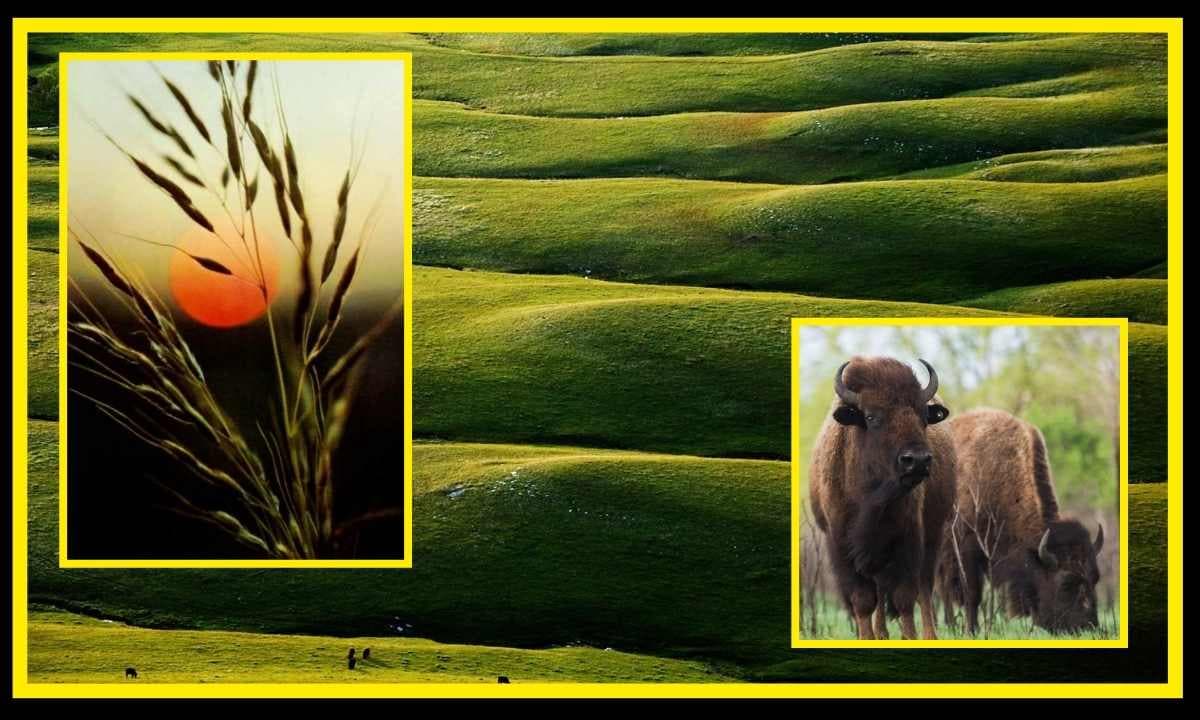
In the heart of North America once lay an ancient wilderness, a place where the vast Tallgrass Prairie stretched over 170 million acres. It is a fertile ground of immense life and beauty. Not only that, it is one of the rarest and most endangered ecosystems in the world. This pristine landscape, vital to the continent’s biodiversity, now clings to survival. Over centuries, this expansive ecosystem has been reduced to a mere 4% of its former glory, mostly preserved in the rugged Flint Hills of Kansas. The Tallgrass Prairie National Preserve stands as a beacon, protecting this fragile remnant of a once majestic land.
Today, we journey through time to understand what was lost and what we can still protect. With insight from a 1980 National Geographic feature, we revisit the efforts to preserve and restore this vanishing treasure.
The Decline of the Tallgrass Prairie
Historical Context
Once, this lush land thrived, providing not only food but also nourishment for a wide variety of life. Hundreds of prairie animals thrived on the food and habitat it gave. Grasses like—big and little bluestem, switch grass, and Indian grass dominated the lush land and rich soil of tallgrass prairie.
American Indians were well aware of the value of the prairie. Tribes of Kaw, Osage, Wichita, and Pawnee worked in harmony with nature. They made the prairie their home and hunting grounds. Millions of bison roamed the region, and the prairie gave them food, and shelter, and catered to the ceremonial life of the tribes. However, the United States expanded, and Indian removal policies enforced the Indians onto reservations. This changed their cultures. The vital role the prairie played in their culture was nearly erased. The bison, once central to their way of life, were hunted almost to extinction.
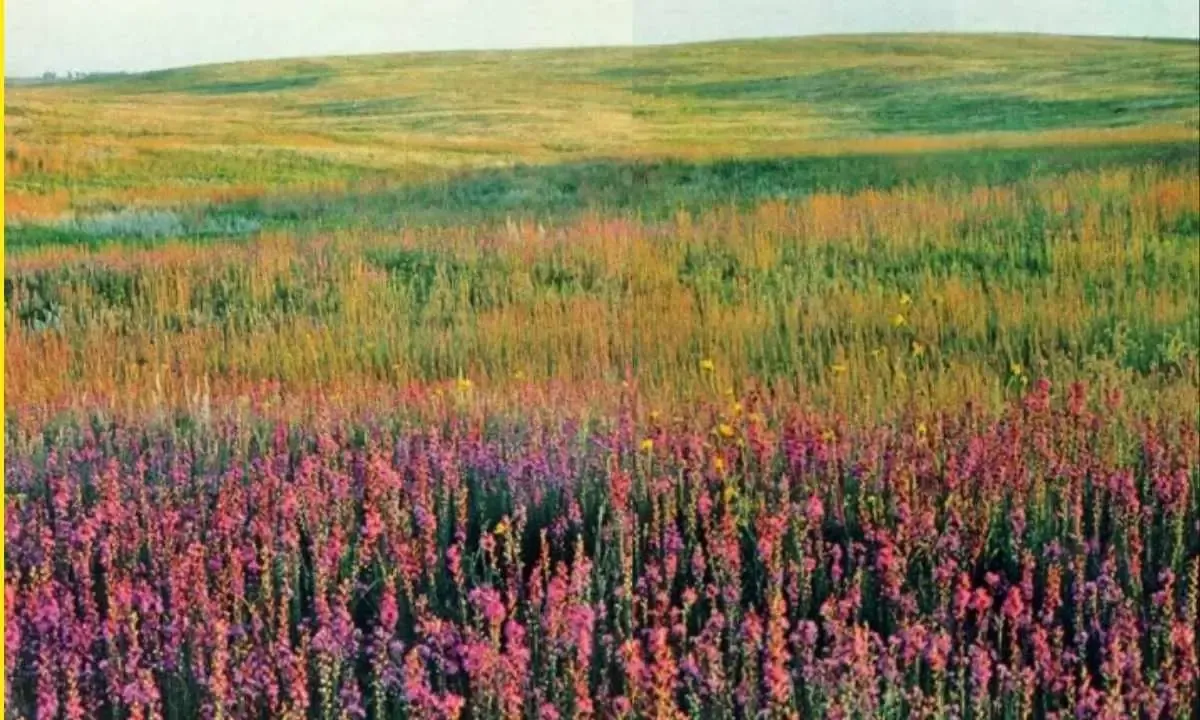
As settlers moved westward, this fertile ground became coveted for farming. The advent of the steel plow, invented by John Deere, cut through the tough prairie sod, accelerating the transformation of the land. What was once breathtaking prairie was plowed into farmland, paving the way for towns and cities.
In a generation, much of the prairie was lost. Today, less than 4% remains, primarily in the rocky hills of Kansas where the land was too rugged for farming. The Tallgrass Prairie has become one of the most endangered ecosystems in the world.
Human Impact
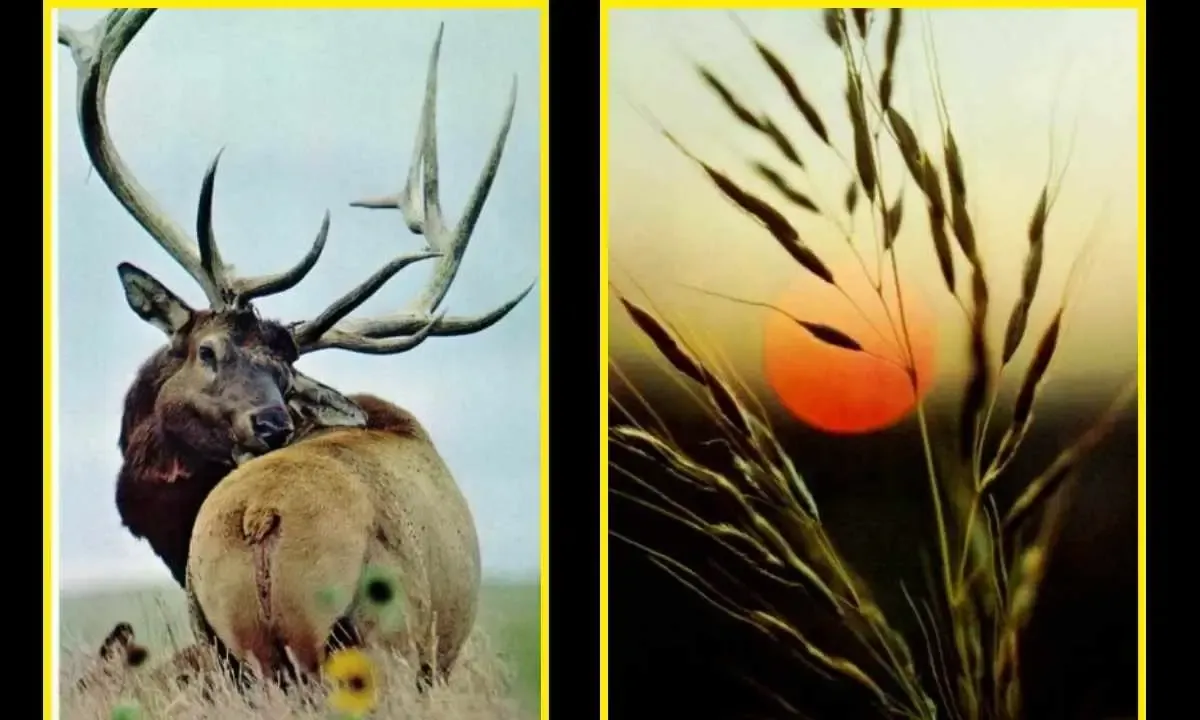
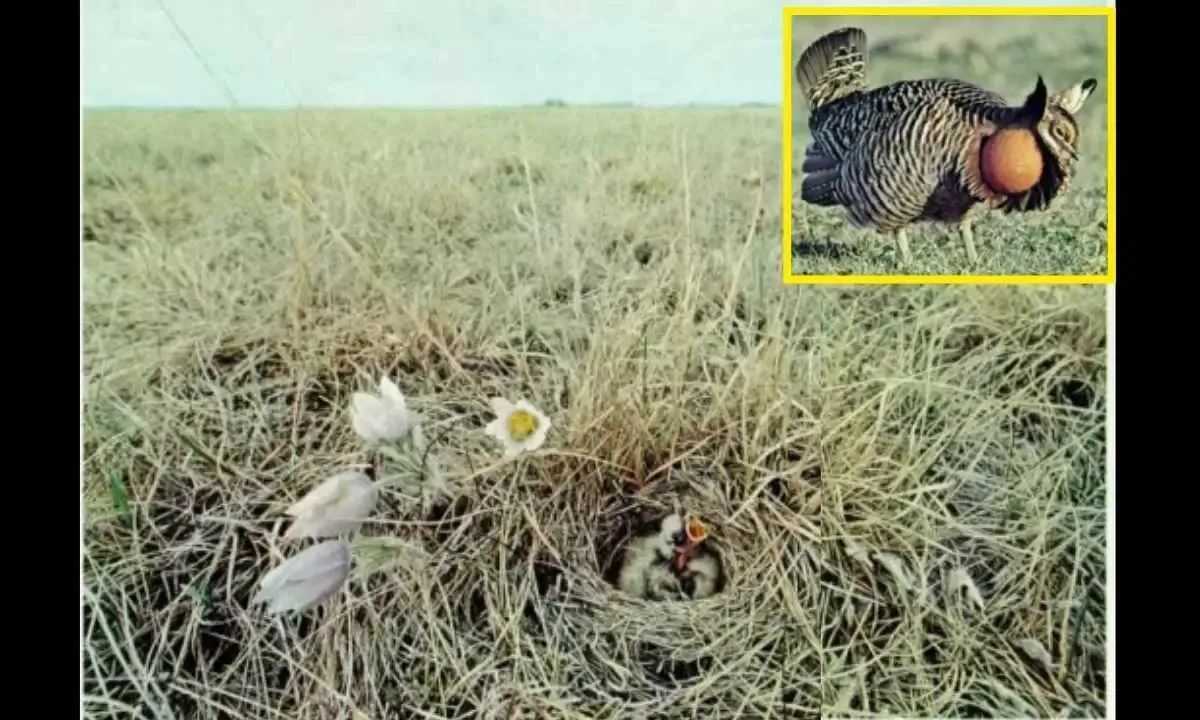
Urbanization and agriculture led to the systematic destruction of the prairie. Cities grew, farms spread, and in their wake, an impoverished landscape emerged. Species that once roamed these plains, from the noble bison to the gregarious prairie chicken, lost their habitat. These critical habitats—so vital for the survival of these species—were replaced by fields and factories. As one rancher once warned, “Then they’ll have to run blacktop roads through it. Have to have rest stations.”
The Endangered Ecosystem: What We’ve Lost
Biodiversity of the Tallgrass Prairie
The Tallgrass Prairie was not just a predominant feature of the land—it was an interdependent ecosystem, rich with life. Over 500 species of plants once flourished here, their resilient roots reaching deep into the earth, surviving fires and droughts. But more than plants, the prairie was home to animals large and small. More than 150 kinds of birds,31 species of mammals, and 39 varieties of reptiles and amphibians thrive in the region. Some of the most commonly seen are rabbits, turkeys, ornate box turtles, snakes, upland sandpipers, collared lizards, and grasshoppers. Species of foxes, pocket gophers, coyotes, and deers now remain elusive.
The decline of the prairie has put many species at risk. The greater prairie chicken, for instance, now struggles to find its nesting grounds, its fragile balance threatened by habitat loss. Beneath the surface, the prairie’s roots once stretched as deep as 25 feet, creating a world of vital organisms—nematodes, worms, and burrowing creatures—all working together to keep the soil healthy.
Revisiting the National Geographic Article
In 1980, National Geographic featured an article that captured the essence of the prairie’s decline. Author Dennis Farney spoke with John Humke of The Nature Conservancy, who had long dreamed of saving this ancient wilderness. “In the past decade, we’ve spent ten million,” Humke reflected, a sign of the prairie’s value and fragility.
Farney met with restorationists like Robert Betz, who spent years searching for rare species like Mead’s milkweed. These enthusiasts worked tirelessly to reclaim the land, though they knew it might take hundreds of years to fully restore the prairie. Bertz believed that the restoration movement was driven by the impulse of restoring old homes and trace genealogies. He further emphasized the importance of “its roots.” “The prairie represents something you can grab onto, something that endures,” restorationist Robert Betz further remarked.
Ecologist Lloyd Hulbert, working at Kansas State University, recognized the importance of fire in maintaining the prairie. “The objective is to get the Konza back as close to its presettlement condition as we can,” Hulbert explained to Dennis. He reasoned the need to reintroduce fire and hope to return bison to their native grazing grounds.
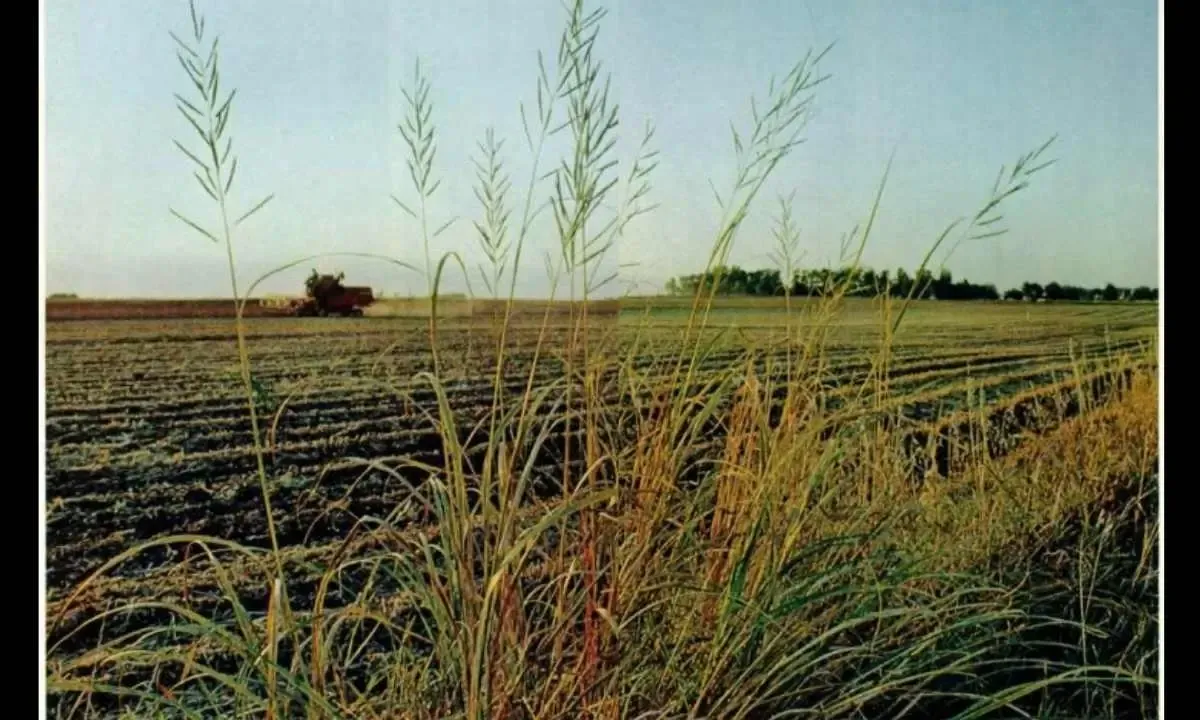
The Flint Hills: A Rocky Refuge for the Remaining Prairie
Geological Formation
The Flint Hills, a dramatic landscape formed through millennia of erosion, stand as a natural refuge for the remaining tallgrass prairie. These hills, composed of hard limestone and flint, were unsuitable for farming, allowing the prairie to survive here where it could not elsewhere.
The Role of Fire
For thousands of years, fires—sparked naturally or set by Native Americans—swept across the land, renewing it. These fires kept the land resilient, allowing new plants to emerge and controlling invasive species. Today, controlled burns are used at the Tallgrass Prairie National Preserve to mimic this natural process. As Hulbert noted, the land needs fire, “to hold back the invaders and let the true natives thrive.”
Preserving What Remains
The Creation of Tallgrass Prairie National Preserve
In 1996, a remarkable event occurred—the establishment of the Tallgrass Prairie National Preserve. This unique public/private partnership, led by The Nature Conservancy, was a bold step in protecting what little remained of the vulnerable prairie. The preserve continues to face threats from climate change and development, but it also holds hope for the future.
The reintroduction of bison, a keystone species, has been a critical part of the prairie’s recovery. In 2008, a small herd of 13 bison was brought to the preserve from Wind Cave National Park. and Today, around 100 bison roam the hills once more, playing their part in restoring the land’s delicate balance.
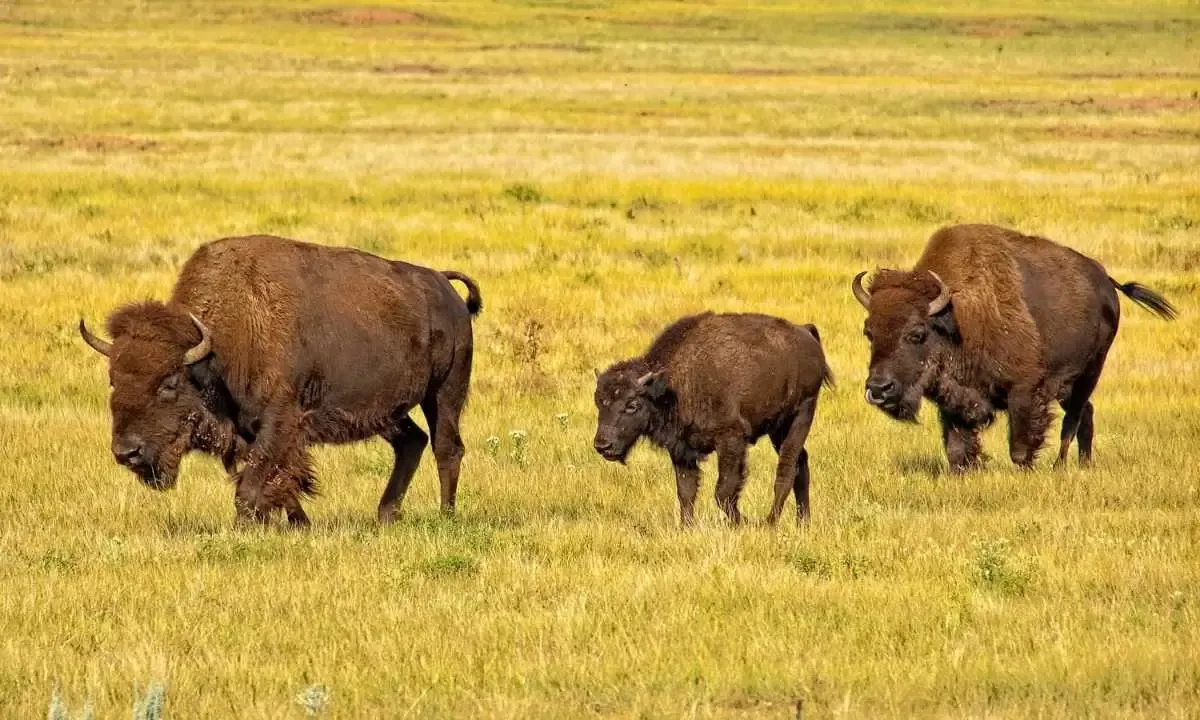
Conservationists and scientists continue to work tirelessly to protect and restore the Tallgrass Prairie. Some estimate it could take centuries to bring the prairie back to its former glory—if it can be restored at all.
Conclusion
The Tallgrass Prairie, once the predominant landscape of North America, is now one of the continent’s most endangered ecosystems. Its biodiversity, deep-rooted plant systems, and role in maintaining soil health are essential to the environment. Even though only 4% of it remains, its preservation is crucial for future generations.
We must protect this land, not only for its beauty but for its vital role in sustaining life. Visit the Tallgrass Prairie National Preserve, support conservation efforts, and remember the broader implications of losing such a unique ecosystem—for both the natural world and our cultural history.
Also read,