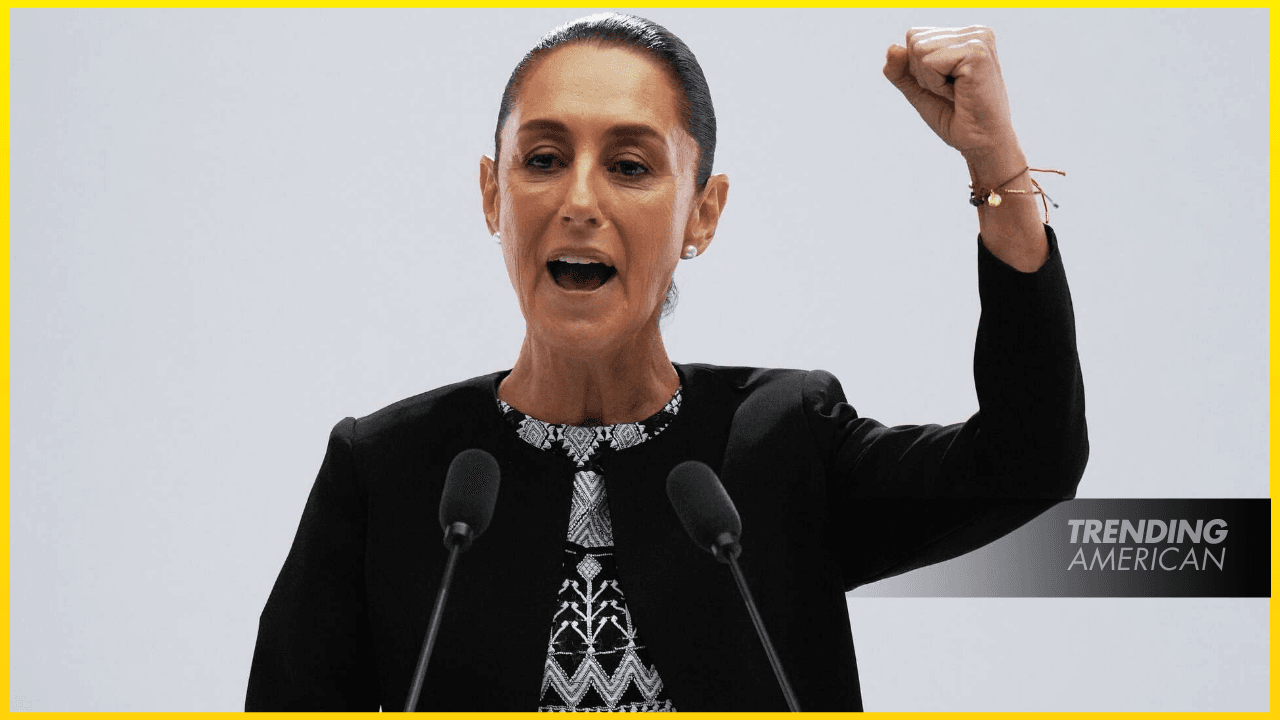
President Claudia Sheinbaum said Friday that Mexico will send more water to the United States from the Rio Grande, but not immediately. The announcement comes as drought conditions tighten, pipelines strain, and discussions under the binational 1944 treaty continue on how much water Mexico must deliver to the United States.
Sheinbaum indicated that a delivery is planned for this month, with another scheduled in the coming years as part of ongoing discussions with U.S. officials in a virtual meeting. The timing reflects both drought management and the practical limits of the existing water-delivery system.
Under the 1944 treaty, Mexico is obligated to deliver about 1.7 million acre-feet of water to the United States over five years, roughly 350,000 acre-feet per year. President Trump has asserted that about 200,000 acre-feet should be released by December 31, with the remainder to follow soon after, a position that adds pressure to the talks.
Trump has also warned of a 5 percent tariff on Mexican imports if Mexico does not release more water immediately, casting a tough economic dimension over an issue long dominated by drought, infrastructure and treaty terms.
The water deliveries come from the Rio Grande River and its tributaries to the United States. Drought and aging pipelines are delaying releases, creating a leverage point as both countries seek a long‑term agreement within the framework of the treaty.
Farmers in Texas, who rely on Rio Grande water for irrigation, are watching the talks closely as negotiators debate timing, volumes, and the best path forward. Analysts say the goal is to reach a durable arrangement that honors treaty commitments while acknowledging current water-supply constraints.
Disclosure: We may earn a commission when you make a purchase through the ads.