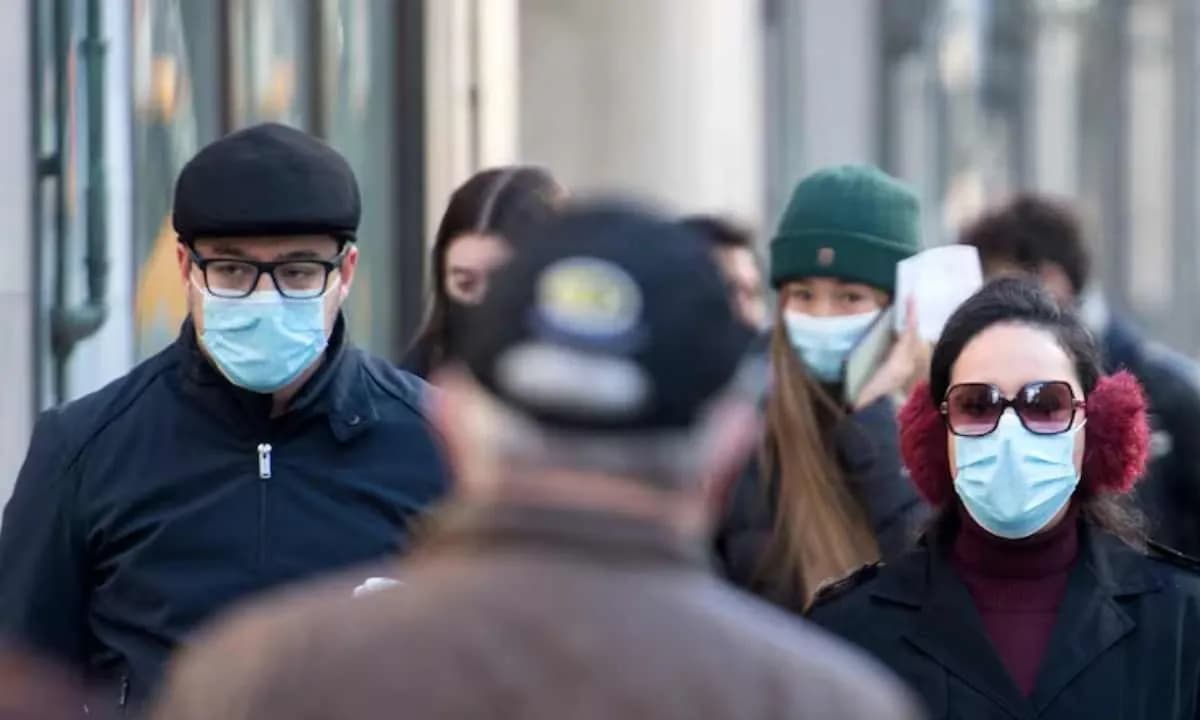
As the holiday season fades and life returns to its usual pace, a new health concern has taken over—“Quad-demic.” This term refers to the simultaneous spread of four infectious diseases: flu, COVID-19, respiratory syncytial virus (RSV), and norovirus. While it might sound alarming, experts assure us this isn’t an entirely new phenomenon. Still, the unique combination of these viruses has led to a surge in cases across the U.S. and the UK raising concerns and prompting renewed mask mandates in some areas. Let’s have a closer look at the symptoms, unique threats of each virus and how you could stay safe.
The Current Landscape of Infections
This winter, the numbers speak volumes. Here’s what’s happening with the “Quad-demic”:
- Flu: Over 3.1 million cases have been reported this season, with 37,000 hospitalizations and 1,500 deaths.
- COVID: Between 2.5 million and 4.4 million cases have occurred since October, along with 72,000 to 120,000 hospitalizations and 8,200 to 13,000 deaths.
- RSV: Hospitalizations have jumped nearly 40% in just two weeks, totaling 22,000 to 45,000 cases since October. Tragically, up to 2,300 deaths have been recorded.
- Norovirus: With 90 outbreaks in early December—triple the usual amount—this stomach bug is at its highest level for this time of year since 2012.
Certain states are being hit harder. Louisiana, California, Tennessee, and New Mexico are among the eight states with very high flu levels, while hospitals in places like Wisconsin, New Jersey, and Illinois have brought back mask mandates. Dr. Robert Hopkins Jr., of the National Foundation for Infectious Diseases, urges vaccinations, saying:
“I don’t want to panic people, but if you haven’t been vaccinated and you’re eligible—that means everybody six months of age and older—get that COVID shot, get that flu shot.”
Dr. Robert Hopkins Jr., of the National Foundation for Infectious Diseases.
The Quad-demic: Why Are These Viruses Surging?
Post-Pandemic Immune Challenges
Years of lockdowns and limited exposure to germs have left immune systems less prepared. Dr. Joe Bresee, an expert in infectious diseases, explains:
“What we are seeing now is an increasing amount of respiratory disease and norovirus that is really all over the U.S.”
Environmental Conditions
Cold weather and indoor gatherings create the perfect environment for viruses to spread. Dr. Todd Rice, a professor in Tennessee, notes:
“Being indoors and around a lot of people can lead to more viral spread.”
Virus-Specific Behaviors
- Flu, COVID, and RSV: Spread through droplets from coughing, sneezing, or even talking.
- Norovirus: Transmitted via contaminated surfaces and close contact, with outbreaks often linked to food, such as raw oysters in Los Angeles.
Travel as a Catalyst
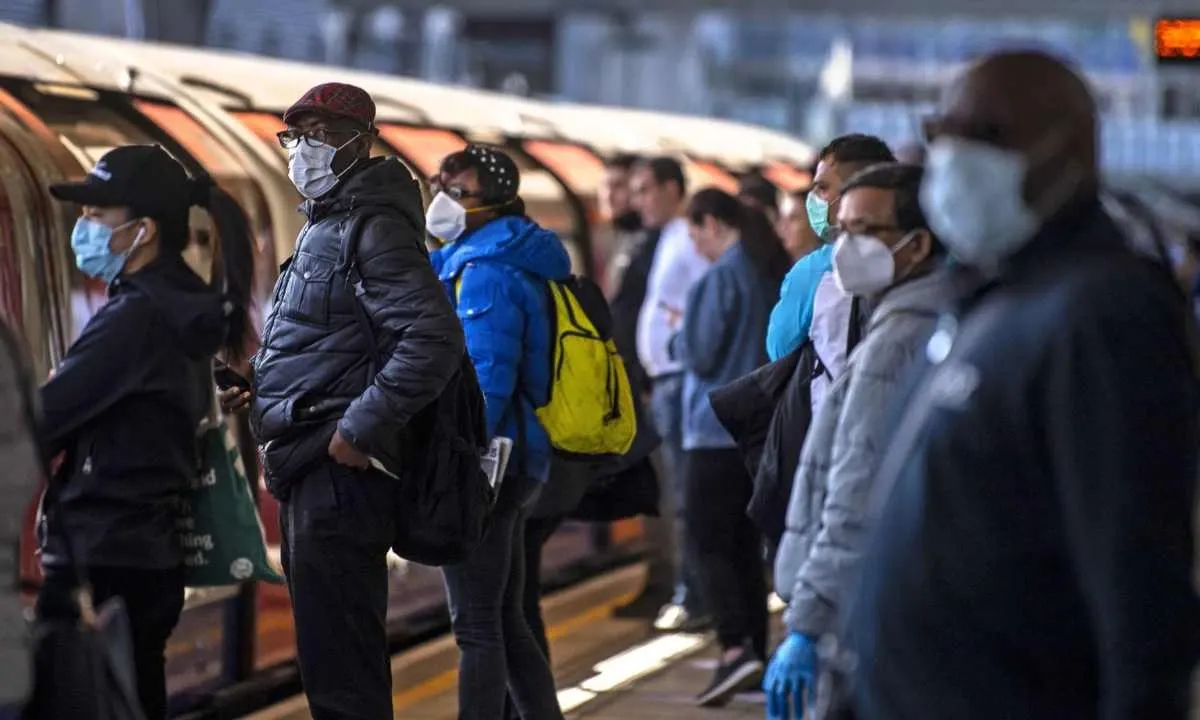
Holiday travel has also played a role. Planes and public transport are hotspots for virus transmission. Dr. Bresee highlights:
“Any airplane right now certainly has people with viruses on board. We tend to see big peaks just after the winter holidays.”
The Unique Threats of Each Virus
Each virus in the “Quad-demic” presents distinct challenges:
- Flu: Symptoms include fever, cough, and blocked nose. Hospitalization rates are climbing, with vaccines recommended for everyone aged six months and older.
- COVID: Cases and hospitalizations are rising, with vaccines and boosters still effective in preventing severe outcomes.
- RSV: Especially dangerous for infants and the elderly, RSV has surged to 1.8 hospitalizations per 100,000 people.
- Norovirus: Unlike the others, it’s a gastrointestinal virus, causing vomiting, diarrhea, and stomach cramps. Outbreaks spike in colder months.
Measures to Protect Yourself and Others
The CDC and health professionals recommend these steps to minimize risks:
- Vaccinations: Stay updated on flu and COVID shots. The RSV vaccine is available for those aged 75 and older.
- Hygiene Practices: Wash hands frequently, sanitize surfaces, and cover your coughs and sneezes.
- Masking: In high-risk areas or during travel, wearing a mask can significantly reduce the spread of respiratory viruses.
- Stay Home When Sick: Avoid spreading illness to others by resting at home if you feel unwell.
The Debate Around Mask Mandates
Mask mandates have returned in some states, stirring mixed reactions:
- Support: Many health professionals back the move to protect vulnerable populations and reduce strain on hospitals.
- Resistance: Pandemic fatigue and concerns over personal freedom continue to fuel opposition.
Dr. Todd Rice suggests the virus peaks may vary by region, saying:
“For each of these four viruses, we will see increases through January, peaking in January or early February depending on where you live.”
Hospitals in states like Wisconsin and Illinois are reinstating mask rules to cope with surges. Some wonder if seasonal mask mandates could become the new norm, much like annual flu shots.
Conclusion
The “Quad-demic” highlights the delicate balance between public health and individual responsibility. With cases of flu, COVID, RSV, and norovirus on the rise, it’s crucial to take steps to protect ourselves and our communities. By staying informed, practicing good hygiene, and getting vaccinated, we can reduce the impact of these viruses and ensure a healthier start to the year.
Also read,