In the summer of 2014, supermarket workers did something unusual: they stopped deliveries and urged customers to shop elsewhere until their former boss returned.
The company was Market Basket, a New England grocery chain. The boss was Arthur T. Demoulas, whose removal had turned a family ownership dispute into a fight over the company's future.
For roughly six weeks, workers and customers put pressure on the business together. Their campaign ended with an agreement that brought Demoulas back to run it.
This is a retrospective on the 2014 dispute.
Two cousins and a divided company
Market Basket's board fired Arthur T. Demoulas on June 23, 2014, following a long-running struggle between branches of the founding family.
The rival sides were associated with Arthur T. and his cousin, Arthur S. Demoulas. Their similar names can make the history confusing, but they were different people representing different ownership interests.
An MIT Sloan case study by Zeynep Ton, Thomas Kochan and Cate Reavis documents the dispute and the company's business model.
At the time, Market Basket had 71 stores and about 25,000 employees, according to WBUR's contemporary reporting.
Why employees supported Arthur T.
Supporters associated Demoulas with affordable groceries, opportunities to advance and concern for employees.
The MIT case describes a business that combined low prices and high sales volumes with investment in its workforce. Profit sharing was part of that model, with roots going back decades before Arthur T. became CEO.
That history matters. Employees were defending a way of working they valued, alongside a leader they trusted to continue it.
The company's workforce was not unionized. The campaign brought together people from different levels of the business.
Deliveries stopped and customers stayed away
Warehouse and delivery workers were central to the disruption. When products stopped moving normally to the stores, shelves could not be replenished as usual.
Other employees demonstrated and encouraged shoppers to support a boycott.
GBH reported that customers followed the workers' appeals and stores remained nearly empty for more than a month.
Contemporary WMUR reporting put the sales decline at 95%.
That figure was a reported estimate during the crisis. It illustrates the scale of the disruption without establishing an audited loss for every store or day.
Workers faced real consequences. WBUR's account included employees who had been fired during the protests and expected to return once the dispute ended.
The agreement that broke the deadlock
Late on August 27, 2014, the shareholders reached a binding agreement for Arthur T. and his sisters to buy the other family's 50.5% stake.
WBUR described the resolution as the end of a 40-day standoff. Under the agreement, Arthur T. regained day-to-day operational authority immediately, working alongside the interim chief executives while the sale was completed.
Employees gathered to celebrate. Restoring deliveries, staffing and stocked shelves became the next task.
The distinction between the agreement and the completed sale is important: the ownership transaction formally closed on December 12, 2014, as Boston.com reported.
What made the campaign remarkable
The workers did not acquire the company through their protests. A negotiated purchase resolved the ownership dispute.
Their contribution was different: they showed how much a business depends on the people who operate it and the customers who choose it.
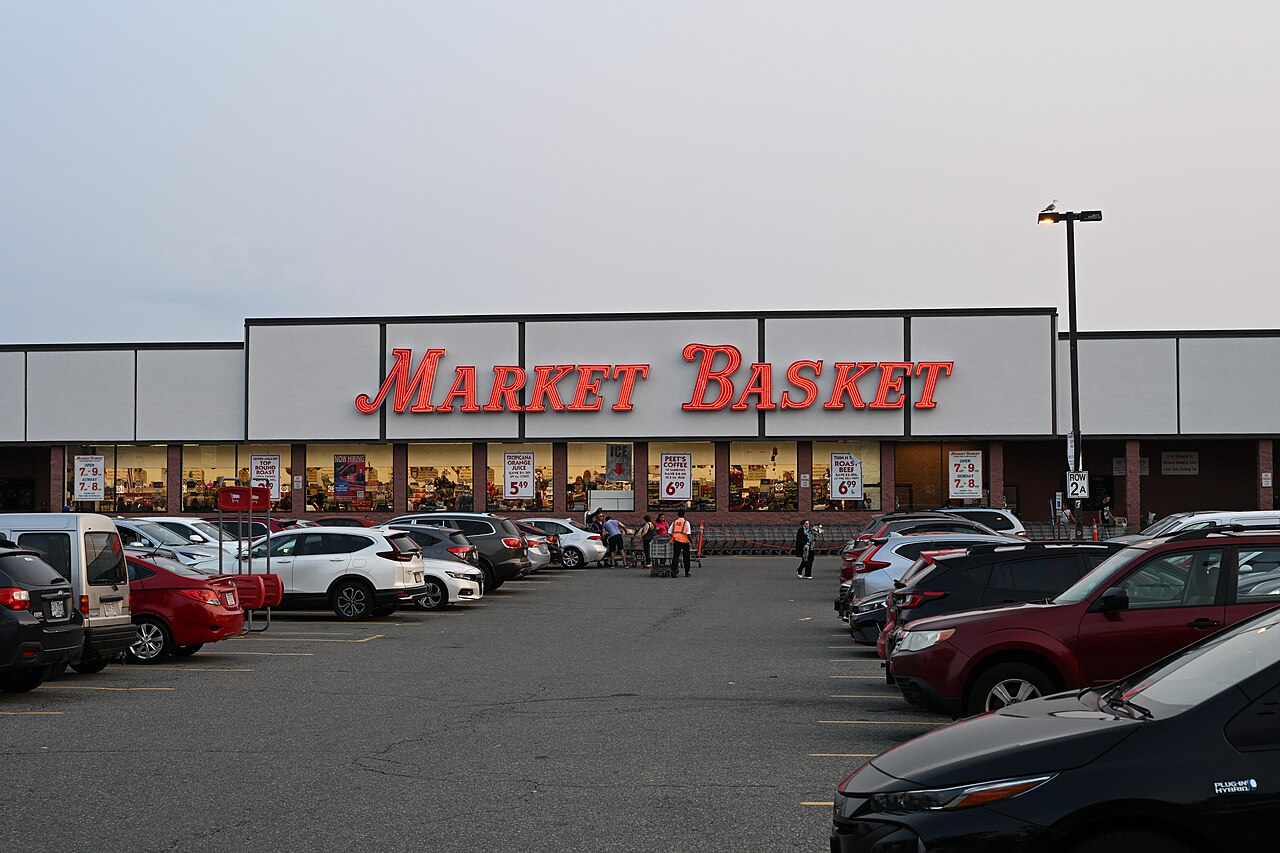
A supermarket's value includes more than its buildings and stock. Deliveries, familiar staff and shoppers' trust all help make those stores work.
For several weeks in 2014, those relationships became impossible to overlook.
Loyalty that worked in both directions
The Market Basket campaign is remembered because employees risked their livelihoods for a leader they believed had supported theirs.
Customers then gave that campaign strength by changing where they shopped.
The outcome required a financial agreement, but the reason the story still resonates is human: people stood up for a workplace they felt was worth protecting.
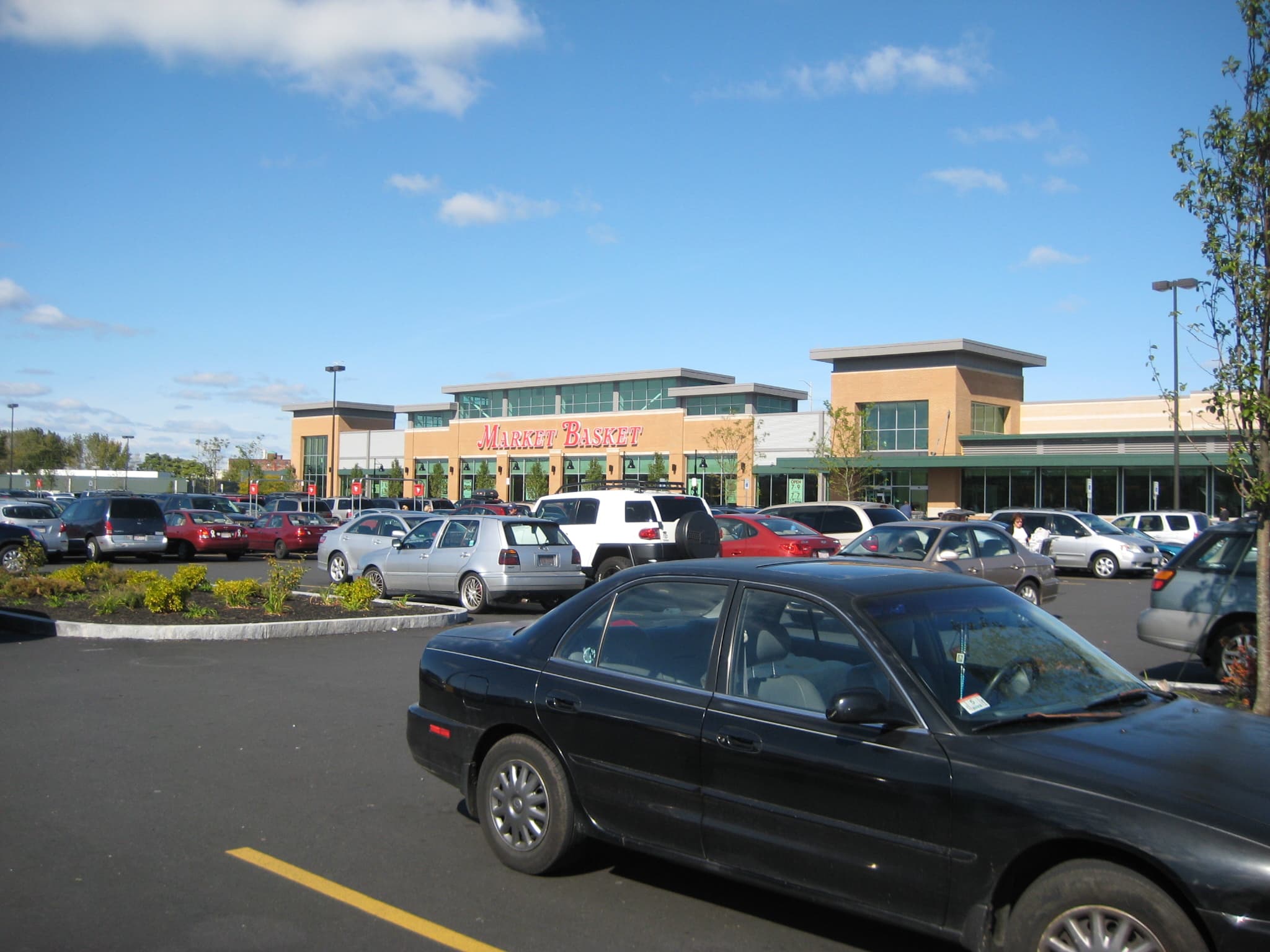
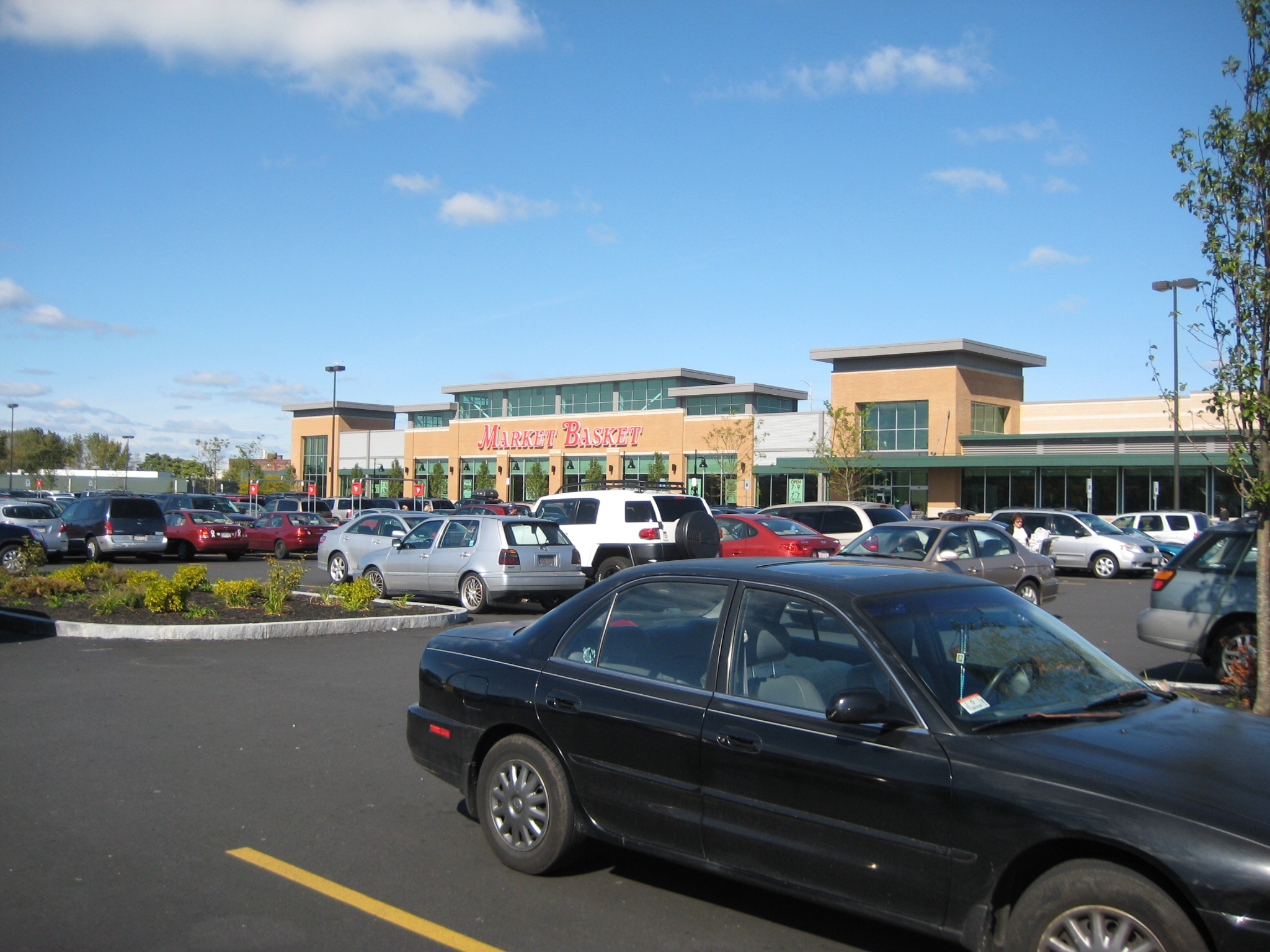
Photograph credits: Chelsea store, Cybah, public domain; Somerville store, 4300streetcar, CC BY 4.0, resized. Neither photograph depicts the 2014 demonstrations.

