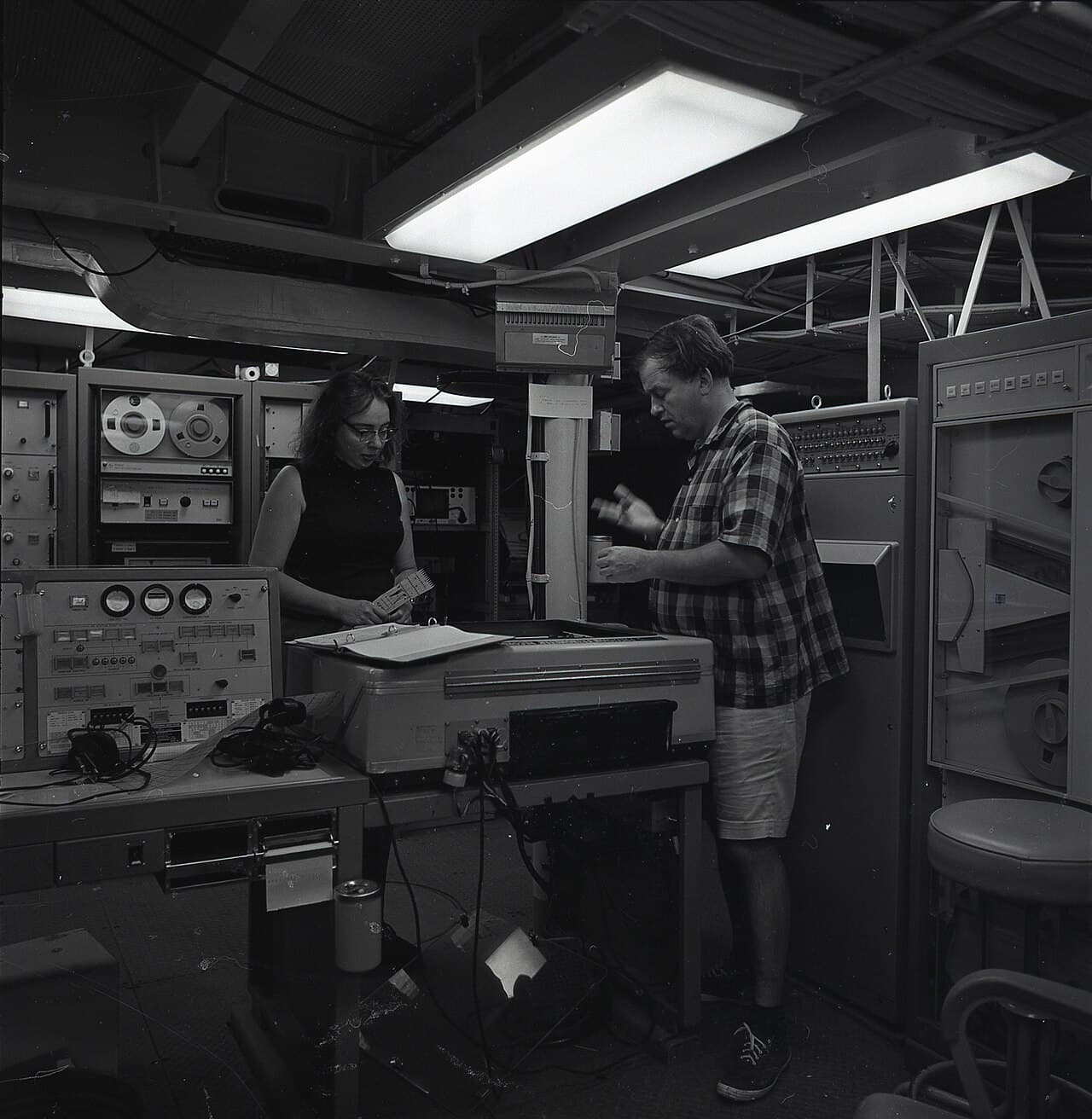
Marie Tharp saw a landscape in columns of ocean-depth measurements. By turning those readings into maps, she helped reveal a vast rift running along the Atlantic seafloor—and evidence of a planet in motion.
Her achievement required more than drawing a striking picture. It meant recognizing a pattern in incomplete data, checking it and continuing when others doubted what the pattern suggested.
Finding a valley beneath an ocean
Working with geologist Bruce Heezen, Tharp plotted depth profiles collected by research ships. The emerging map showed a central valley along the Mid-Atlantic Ridge.
Columbia University's Marie Tharp project explains the importance of her mapping and lets readers explore the ocean-floor landscape. The maps helped make structures hidden beneath deep water understandable to scientists and the public.
From measurements to a global picture
The work contributed to a larger change in geology: understanding ocean basins as places that form and evolve, rather than permanent gaps between continents. Tharp's maps were an important part of that scientific story, alongside seismic research and other evidence.
In 1977, the world ocean-floor map brought that hidden terrain into a single memorable view. The Library of Congress describes the collaboration: Tharp and Heezen's research informed the painting made by Heinrich Berann.
A map is also an argument
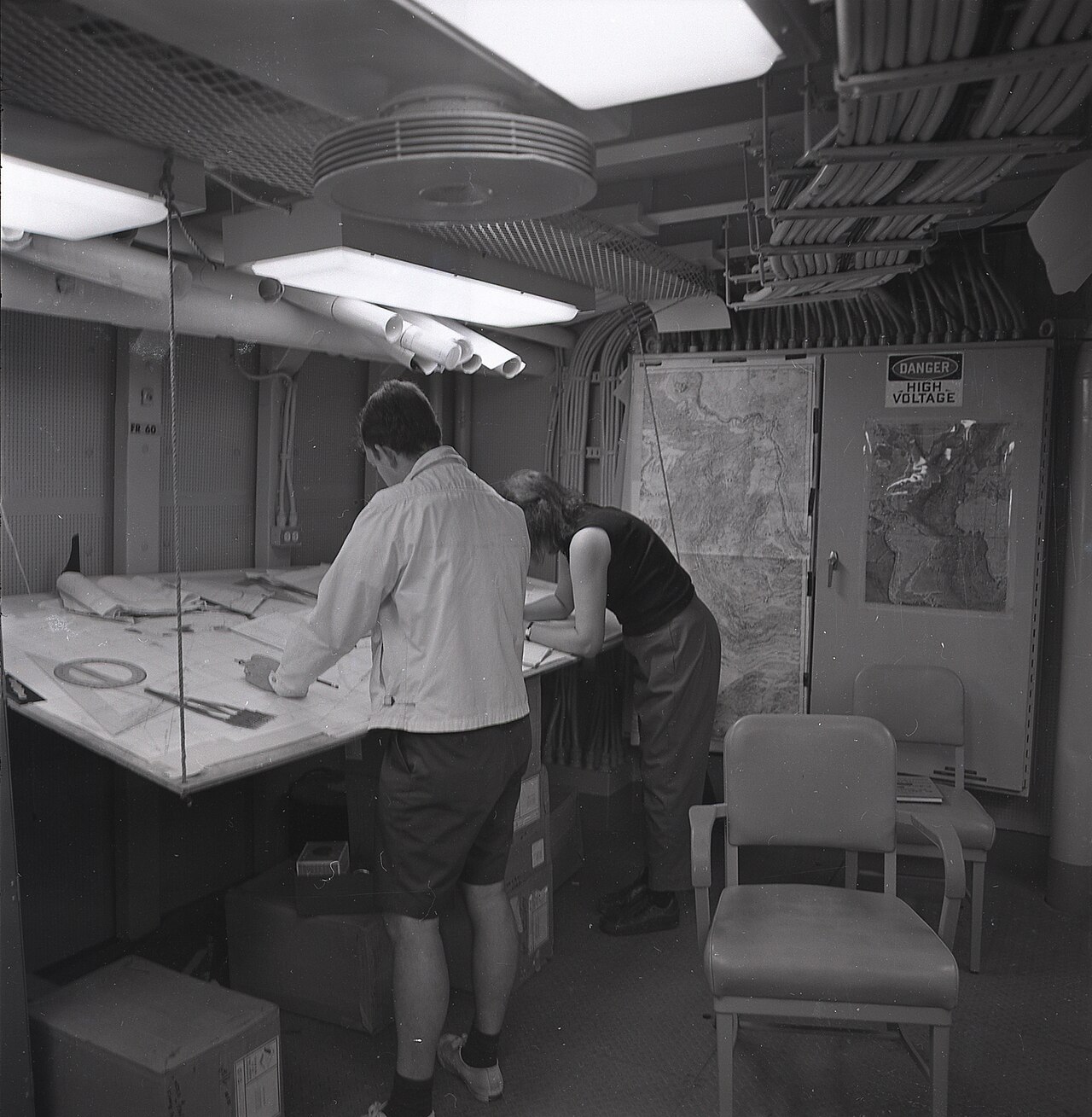
An ocean-depth reading describes one measurement. A carefully assembled map can show how measurements connect. Tharp's skill was to make those connections visible without having direct views of most of the terrain.
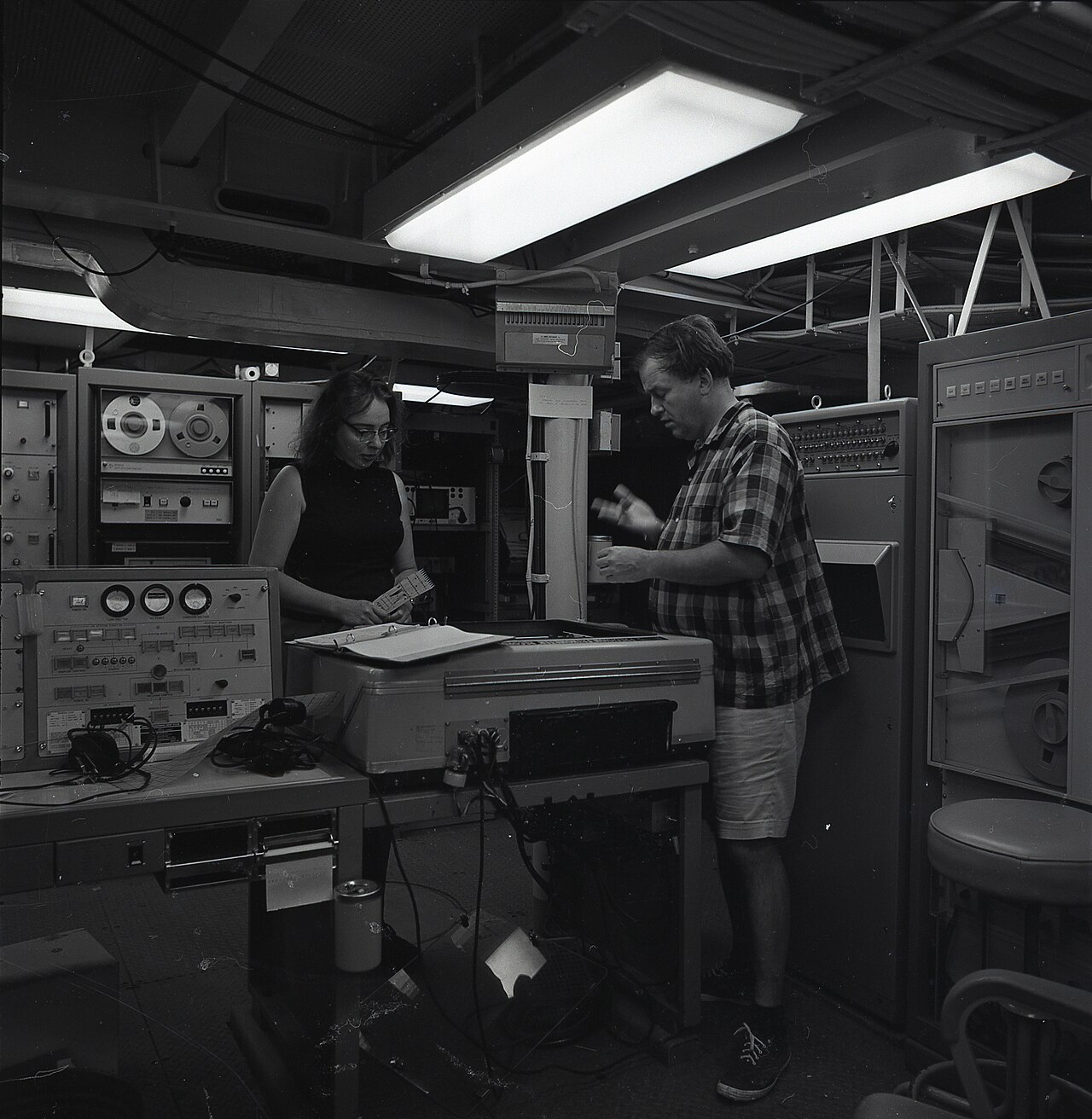
Her early career also unfolded when women faced barriers to shipboard research. The archival photographs here show a later chapter: Tharp working aboard USNS Kane in 1968, not evidence that those earlier barriers never existed.
Her legacy is a way of seeing. Where a flat blue area on a conventional map conceals the seafloor, her work invites readers to imagine ridges, valleys and a history still being written beneath the water.
Photograph credits
- Photograph 1: Credit Line: AIP Emilio Segrè Visual Archives, Gift of Bill Woodward, USNS Kane Collection, CC0. Resized; captions identify contextual images.
- Photograph 2: Credit Line: AIP Emilio Segrè Visual Archives, Gift of Bill Woodward, USNS Kane Collection, CC0. Resized; captions identify contextual images.

