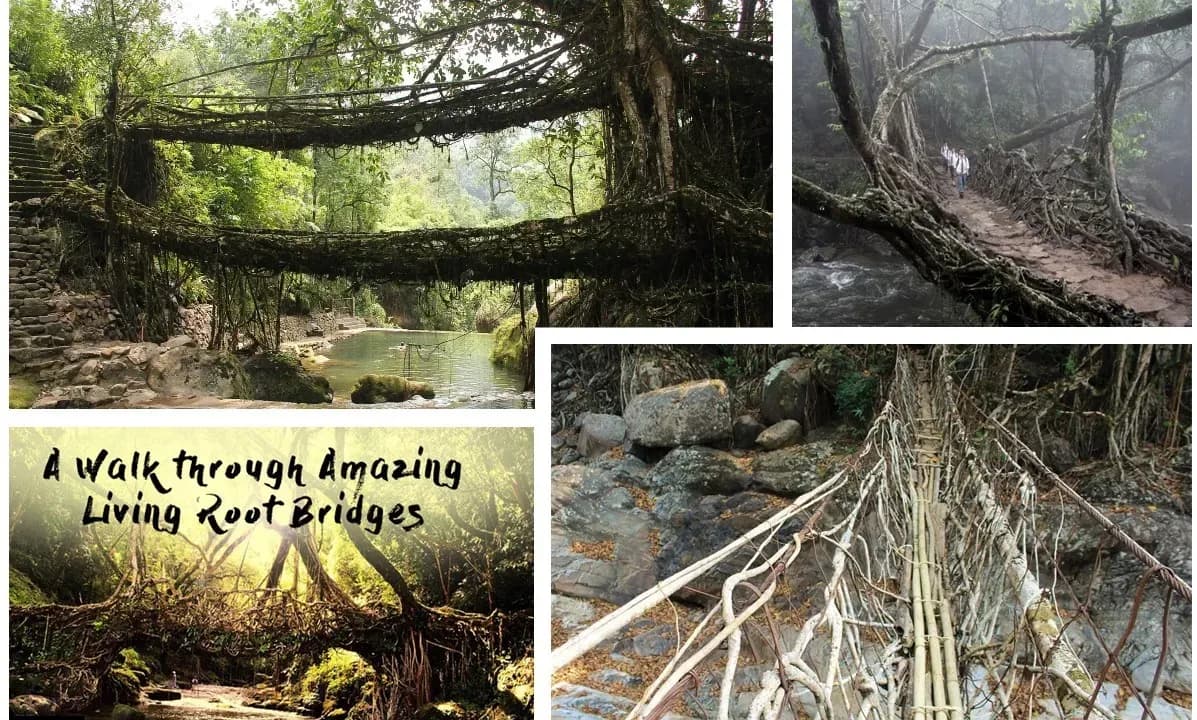
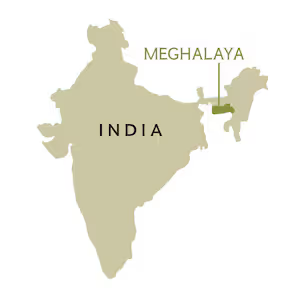
Meghalaya, located in the heart of northeastern India, Mawsynram has gained a reputation for the highest rainfall in India and is also the wettest place on Earth. The place gets an average annual rainfall of 11,872 millimeters (467.4 in). It also boasts wonderfully astounding living root bridges. They are made from the aerial roots of the Ficus elastica tree.
Most of the local legends describe these bridges as sacrosanct connections between villages. These seemed as cardinal in the day-to-day life and religious traditions of its residents. Crafted for decades these bridges are surprisingly strong and walkable. let’s dive into the details.
Unveiling the Secrets of the Living Root Bridges
In Mawsynram in India, the living root bridges stretch across raging streams, offering a lifeline to the local communities during the monsoon.
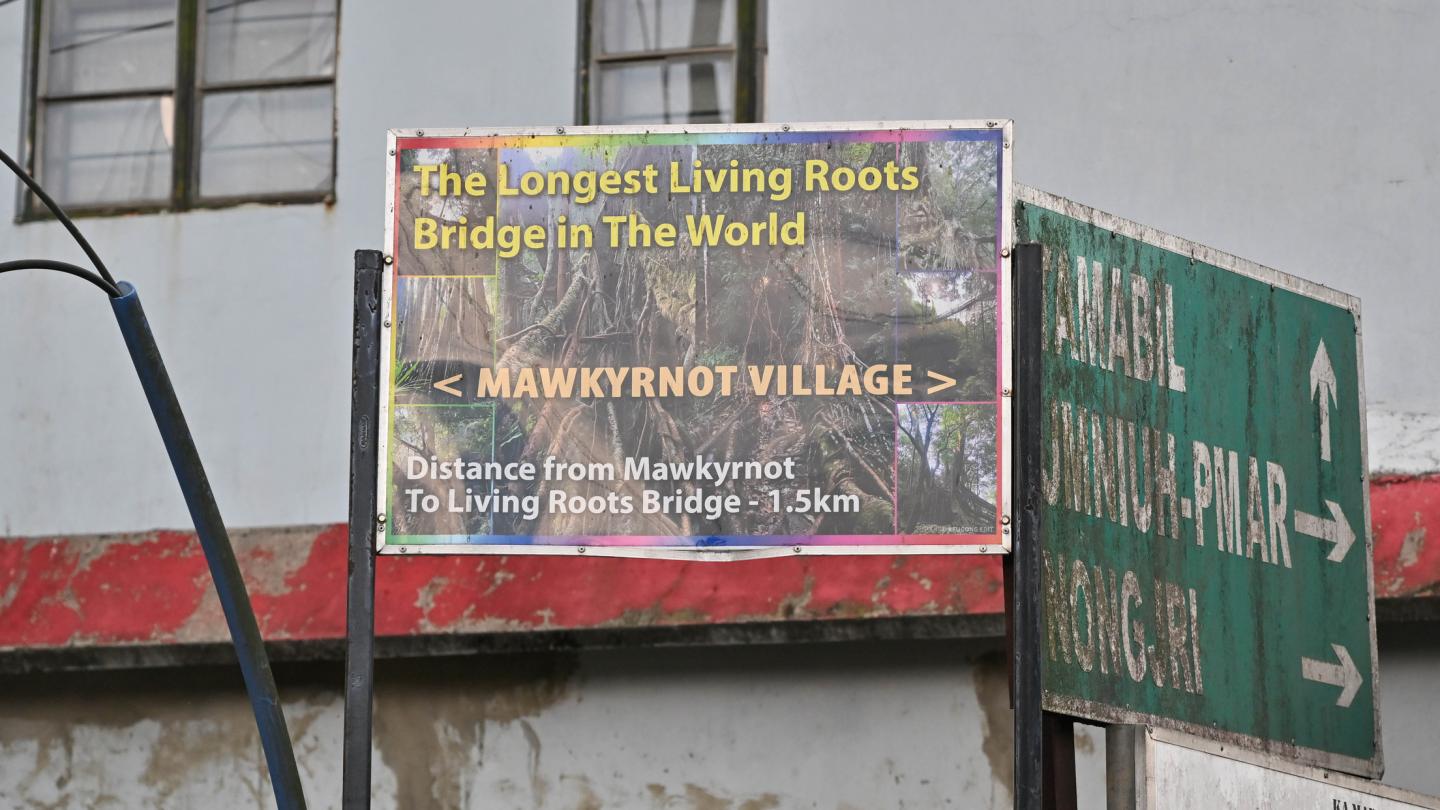
Crafted over decades, the roots are carefully guided by the indigenous Khasi people, intertwining to become sturdy, walkable bridges. These living structures are not only functional. Over time, the tree’s roots are guided into the right form with the use of a hollowed-out trunk. It stops them from reaching out in the wrong direction. The roots are allowed to enter the soil as they reach the river bank in the opposite side.
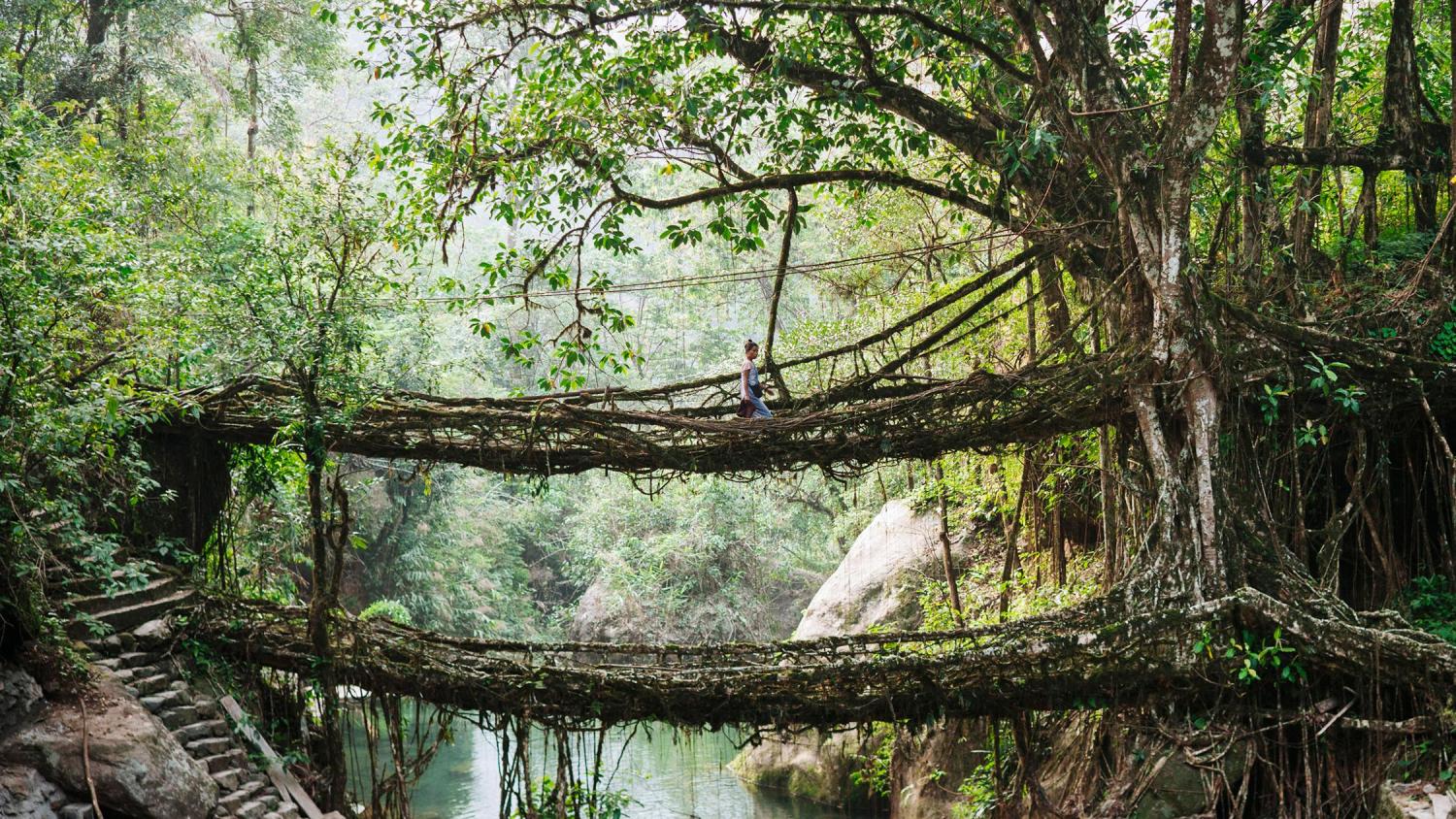
The bridges gain a considerable amount of strength as the roots continue to grow. Some are still in use for more than one hundred years after they were first grown. The most impressive example is the ‘Umshiang Double-Decker Root Bridge.’ It is made up of two living root bridges stacked on top of one another.
The Craft of Cultivation: Growing the Living Root Bridges
Only think that one teaches the roots of trees to grow in such a way that they can form a bridge strong enough to carry across many people at one time. Somehow, the Khasi tribe has perfected the process.
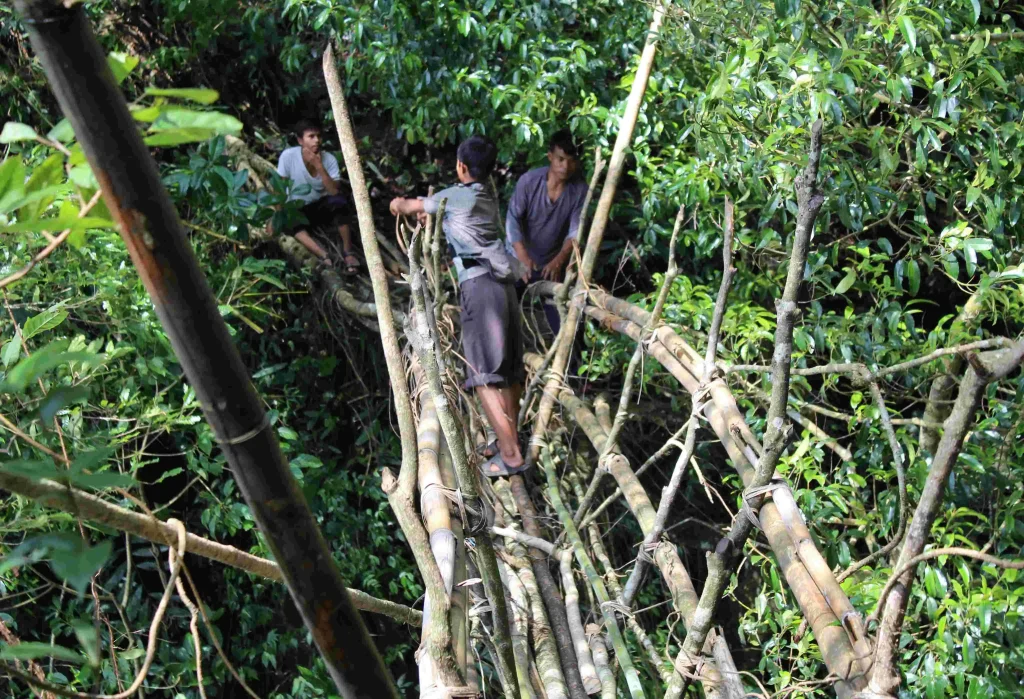
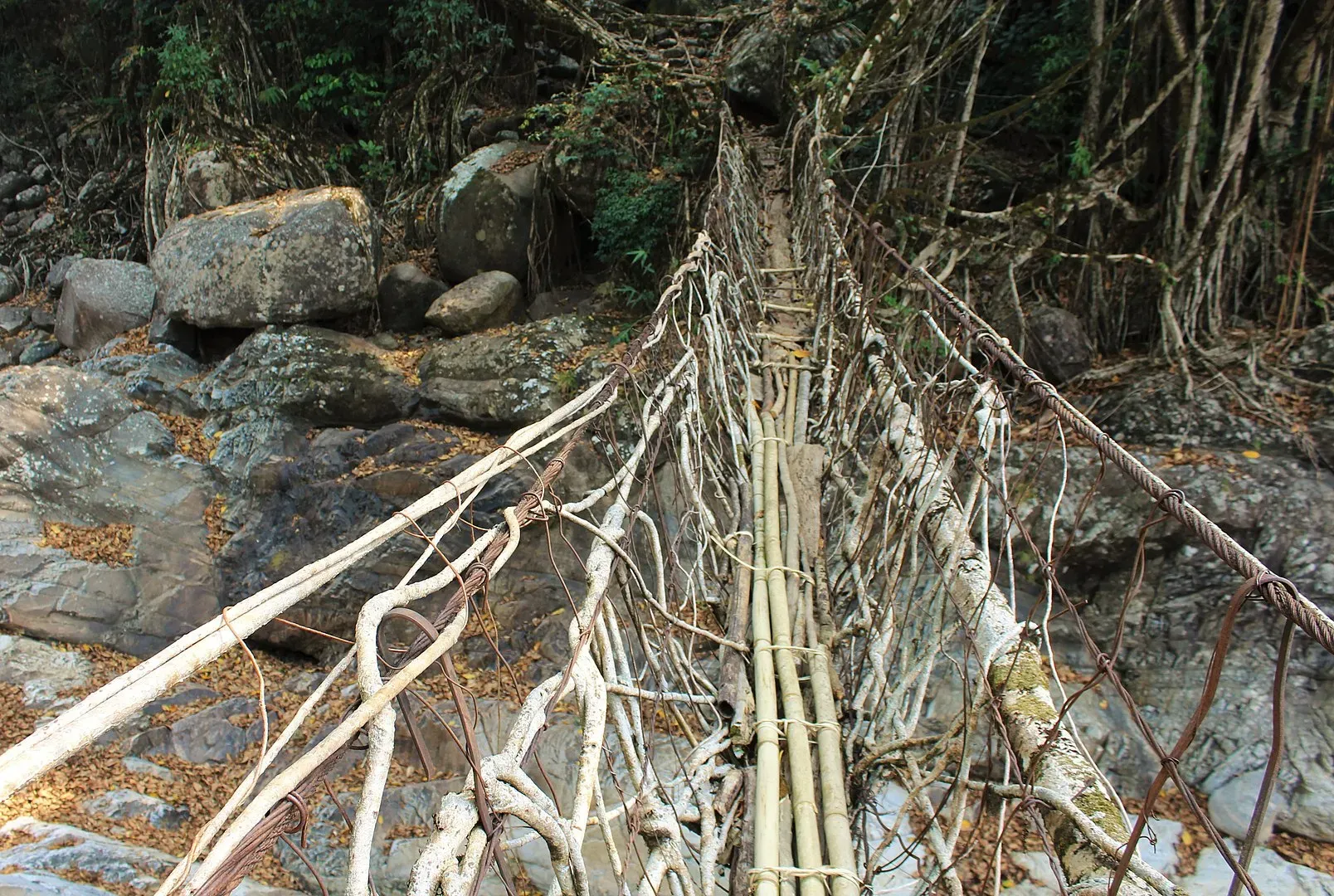
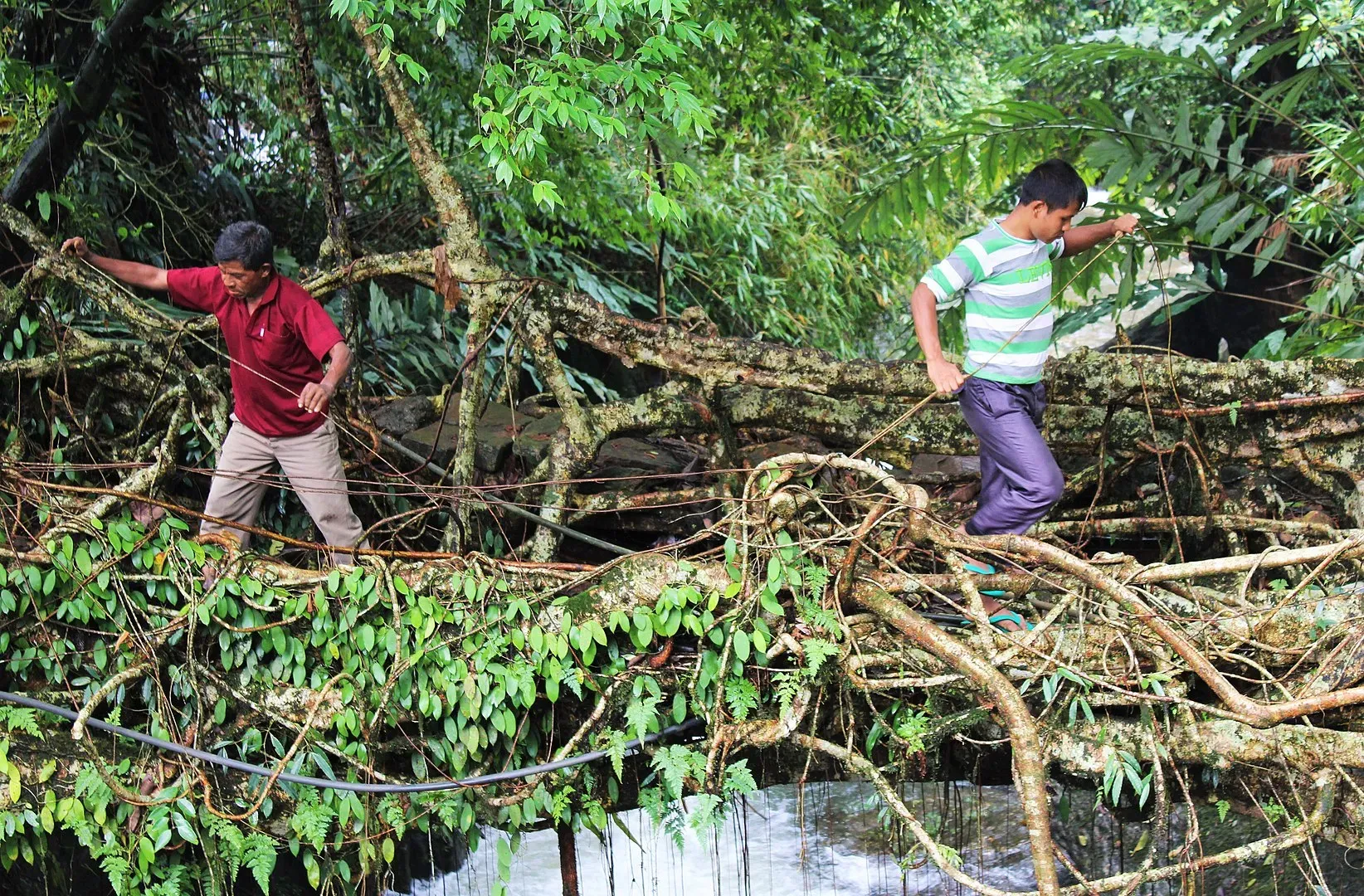
First of all the scaffold of bamboo is built and then the young roots are allowed to grow across the rivers. Gradually these roots thicken and entwine, harden into a strong bridge. This may take 15 to 30 years. However, what you get afterwards is a pathway that is durable and ecological, lasting for centuries. It’s an incredible feat showcasing the marvel of living root bridges.
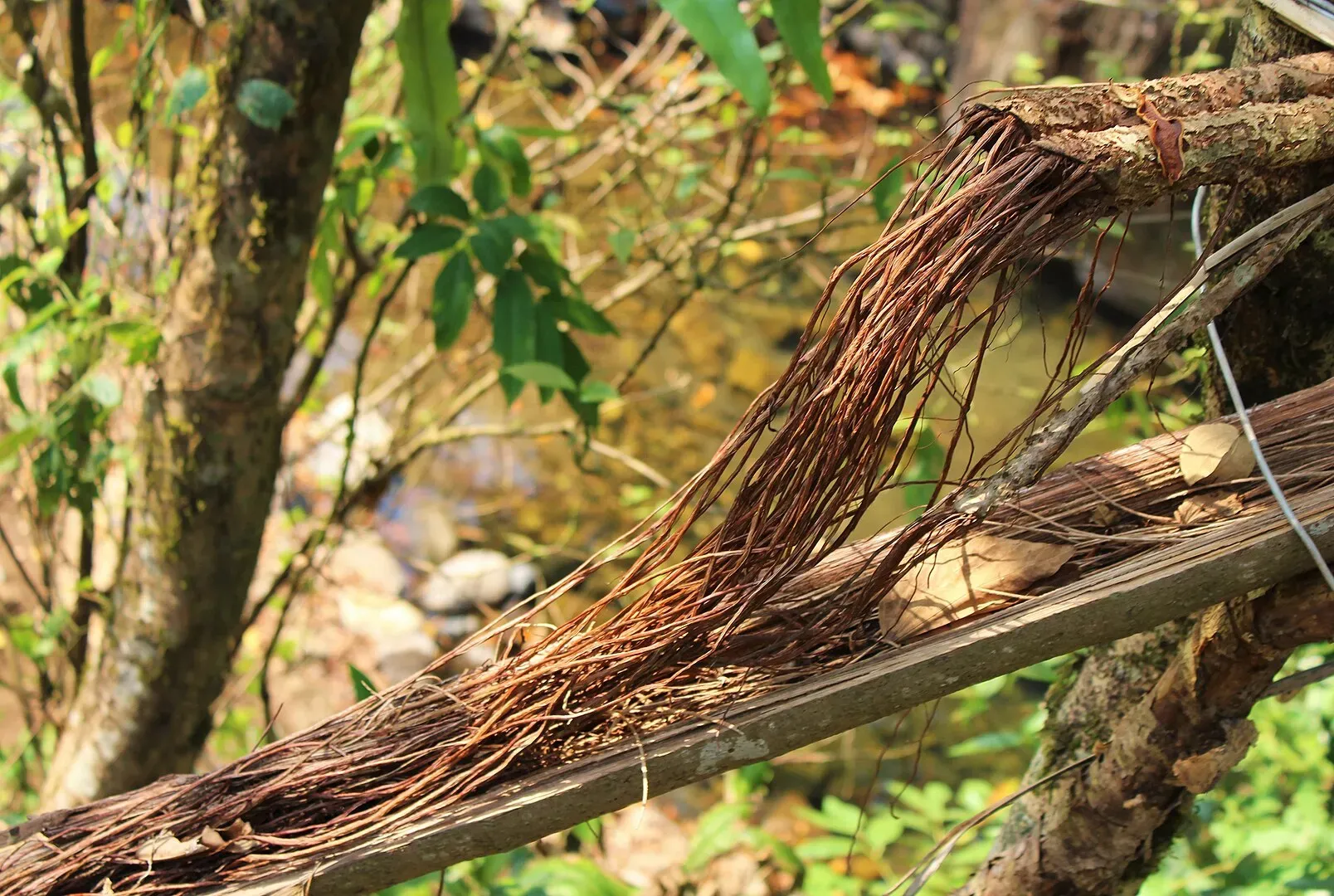 A living root bridge is being developed with rubber fig strands being guided along a halved areca palm trunk (2016) | Image source: Wikipedia
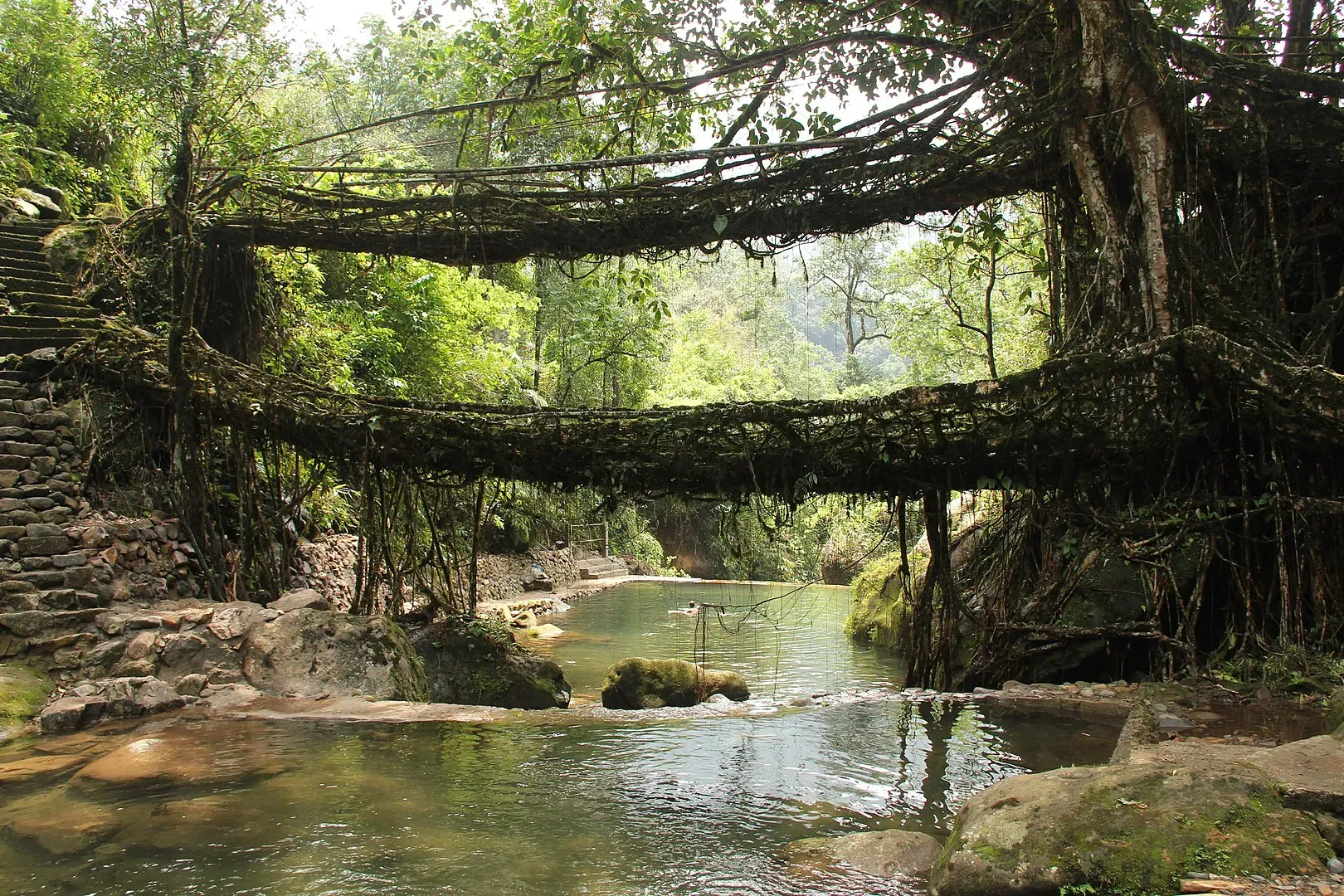 Double living root bridge in East Khasi | Image source: Wikipedia
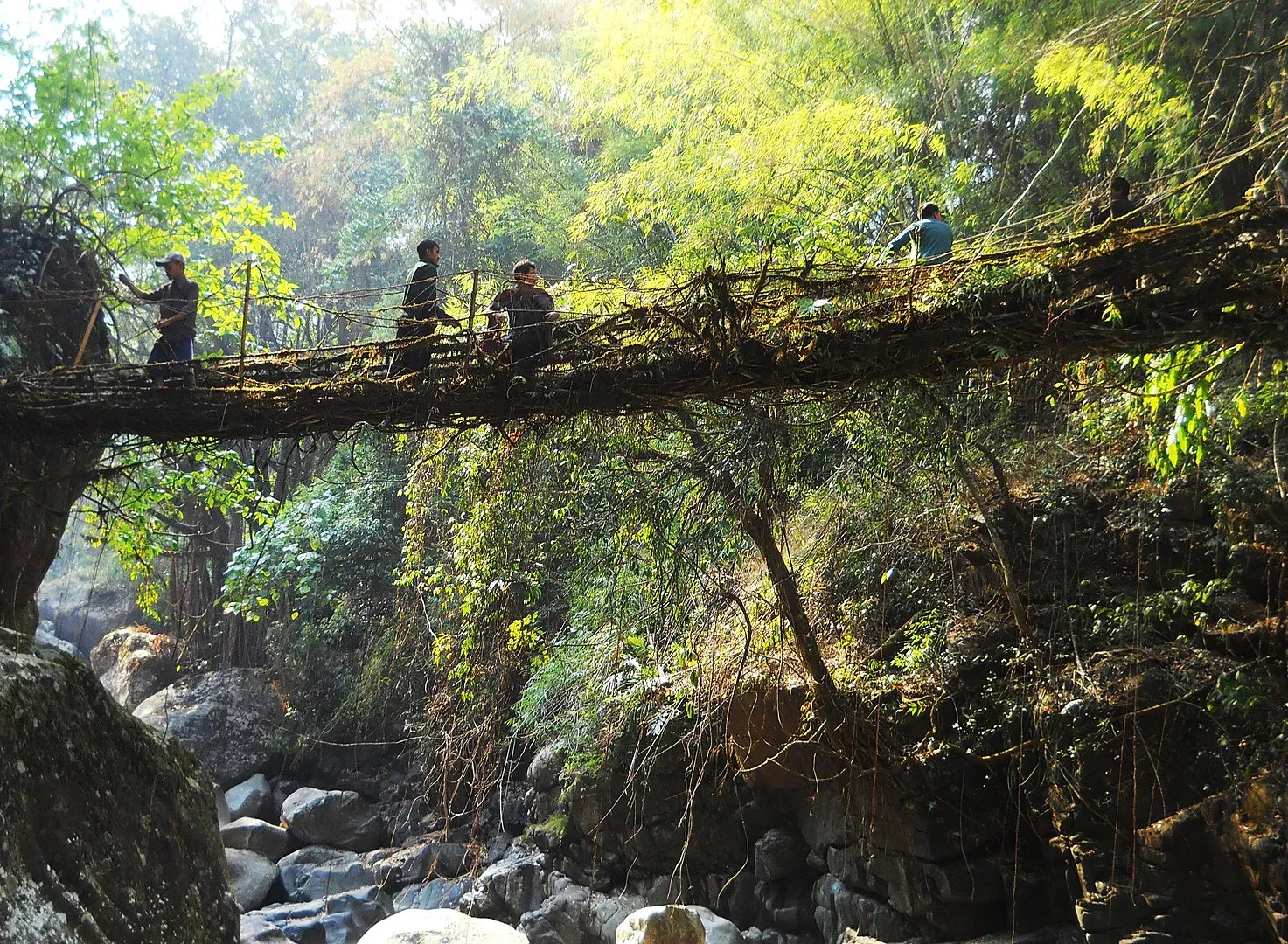 Local Khasis using the young, pliable aerial roots of a fig tree to create a new railing for a bridge near the village of Kongthong | Image source: Wikipedia
 Rangthylliang 1 root bridge, over 50 metres (160 ft) in length, is the longest known example | Image source: Wikipedia
 The double-decker two-lane living root bridge of Padu Village (2015) | Image source: Wikipedia
This is actually a very tedious process in which patience and precision comes to play at the same time. Moreover, this also presents proof of the peoples’ deep understanding of the pattern apart from their skill, related with the natural growth. Another thing highlighted in this practice is their skill of working harmoniously with the growth of nature. Thus, their work represents the interplay of harmony with nature itself. Hence, it reaffirms their connection to the land as well as displays their mastery at the same time.
Cultural Significance and Modern Challenges
These root bridges are far more than crossings. They are integral to the Khasi people’s cultural heritage. Festivals and daily rituals blend with their presence, echoing the tribe’s ancient bonding with the land. But modern threats to the living root bridges continue to come in the forms of climate change and increased tourism.
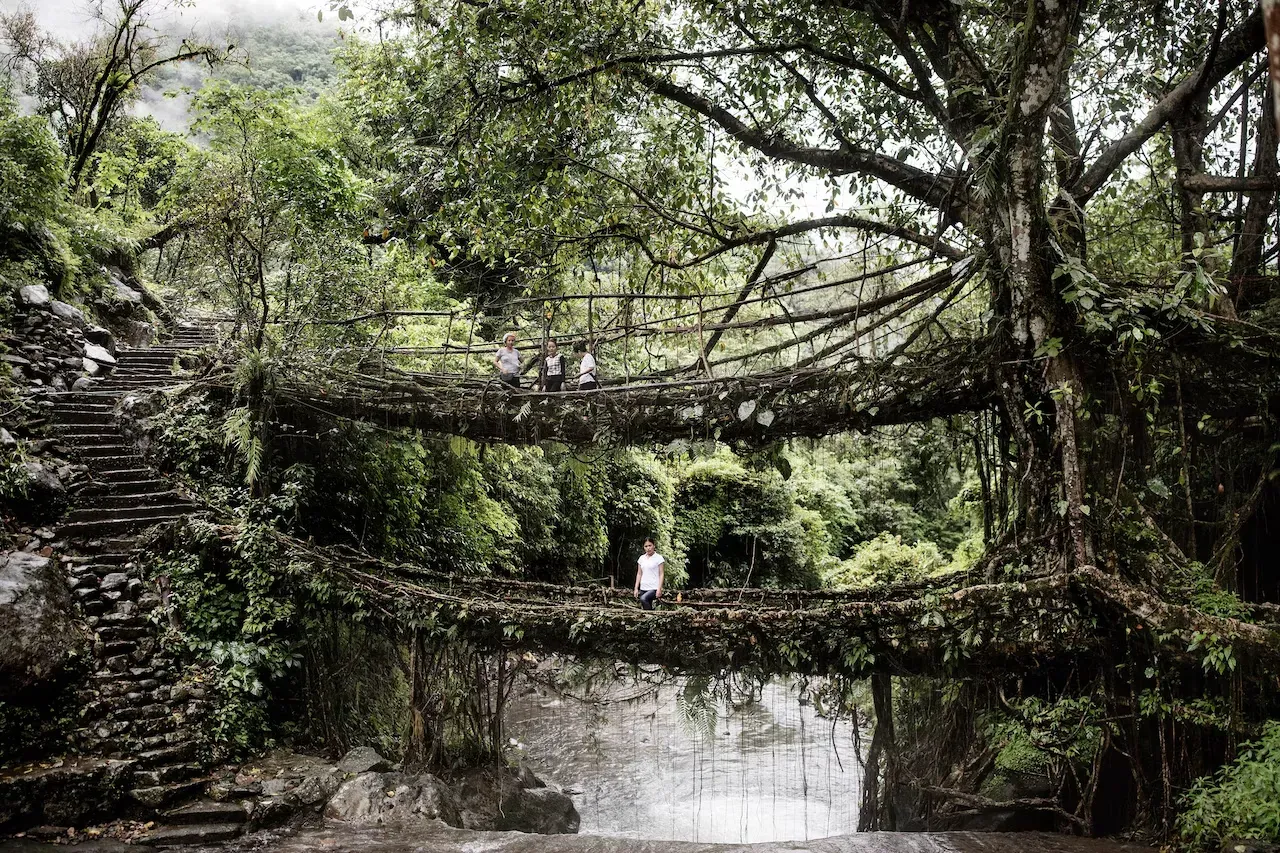 A double-decker root bridge in Cheerapunji is one of the main attractions in Meghalaya | Image source: Copyright © 1996-2015 National Geographic Society
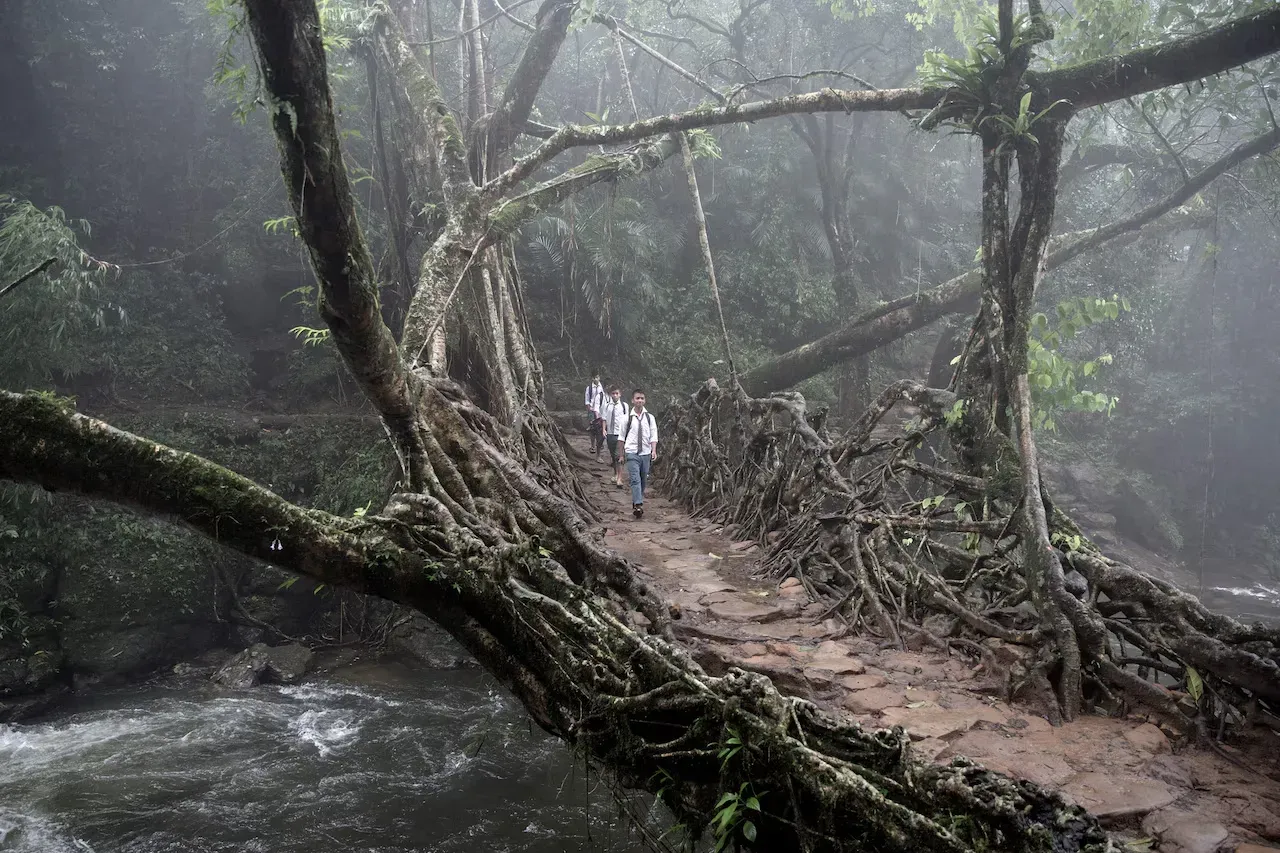 A group of children cross a living root bridge in the East Khasi Hills of Meghalaya | Image source: Copyright © 1996-2015 National Geographic Society
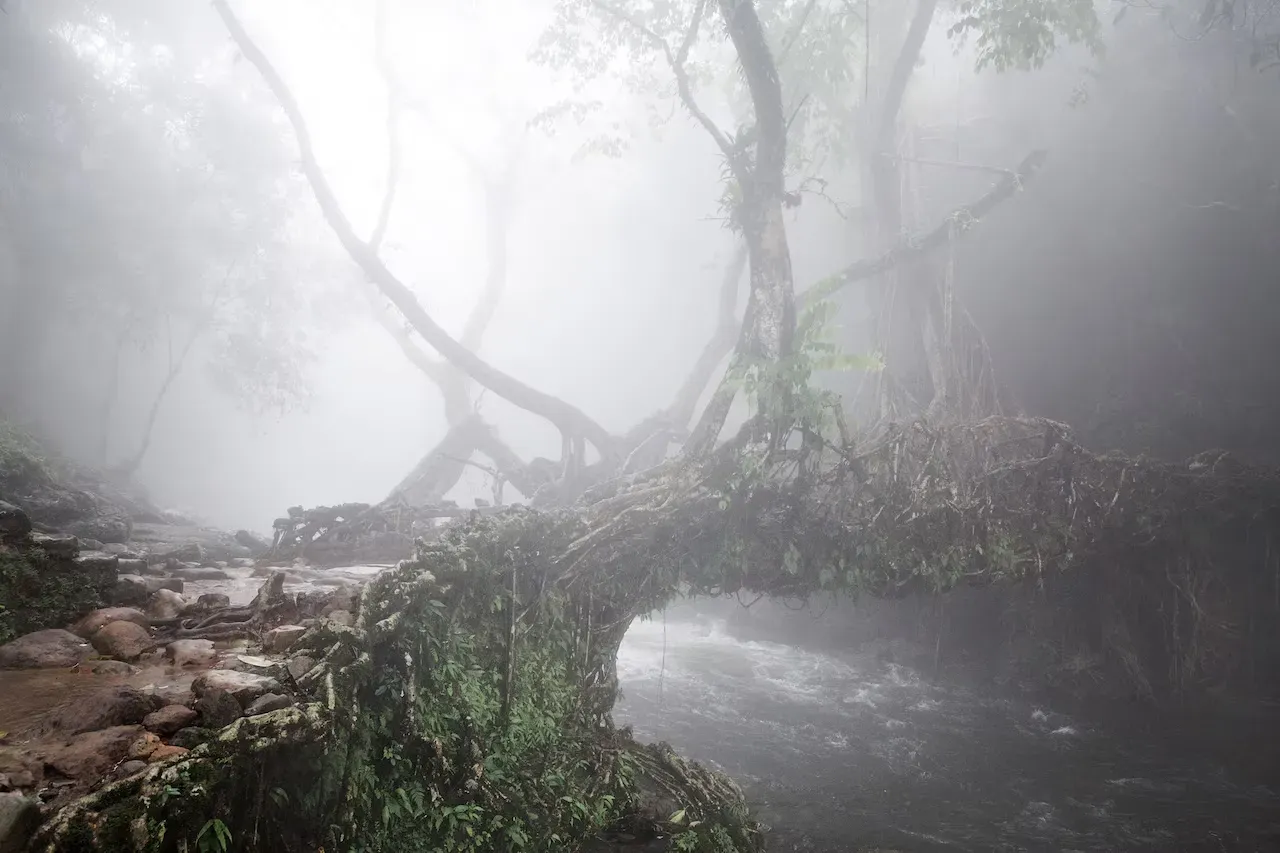 A veil of fog sweeps across a living root bridge in the East Khasi Hills | Image source: Copyright © 1996-2015 National Geographic Society
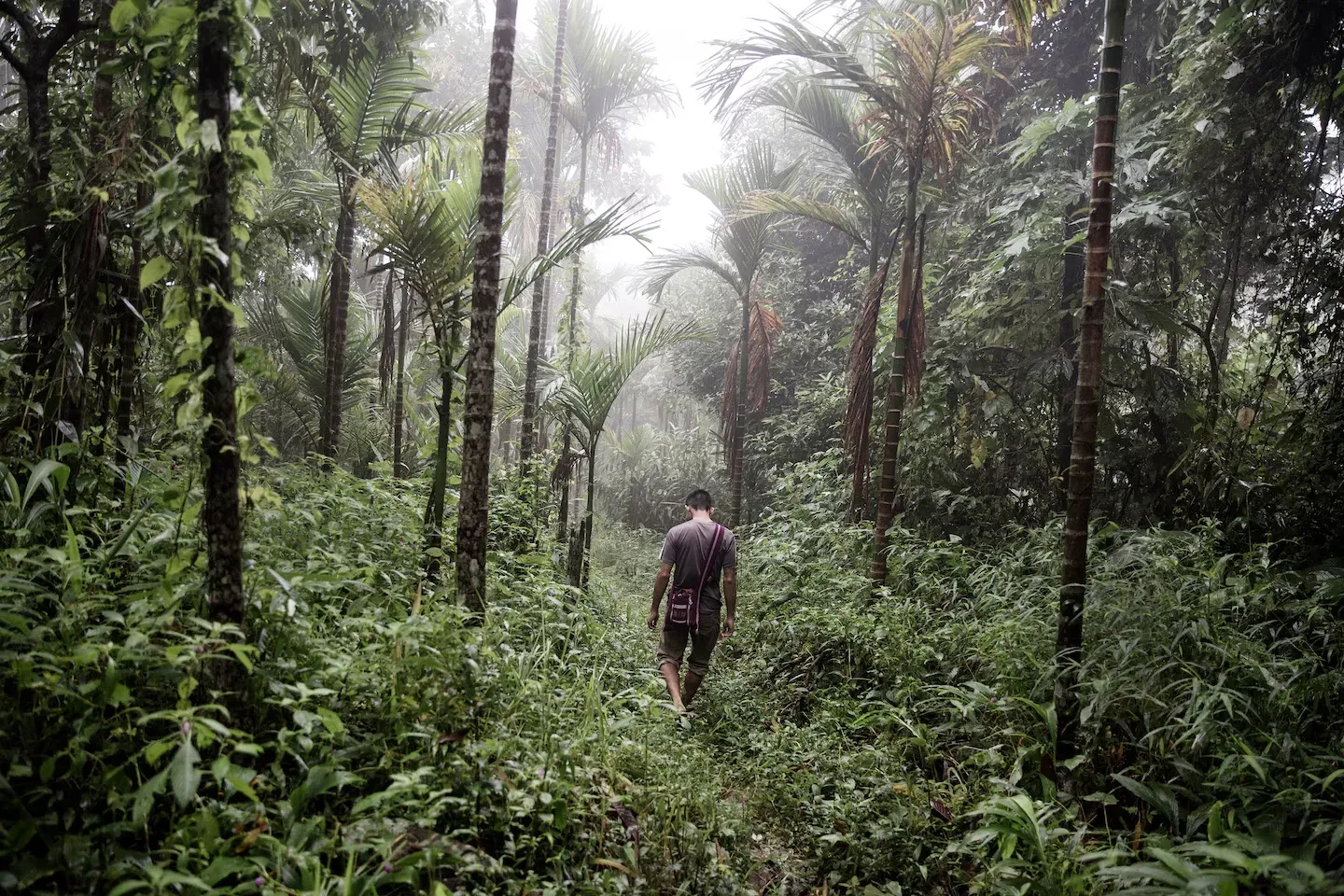 Meghalaya is blanketed by thick rainforest and sacred groves protected by the Khasi people | Image source: Copyright © 1996-2015 National Geographic Society
 Nohsngithiang Falls is one the tallest waterfalls in India. During the monsoons, the streams are inundated with water | Image source: Copyright © 1996-2015 National Geographic Society
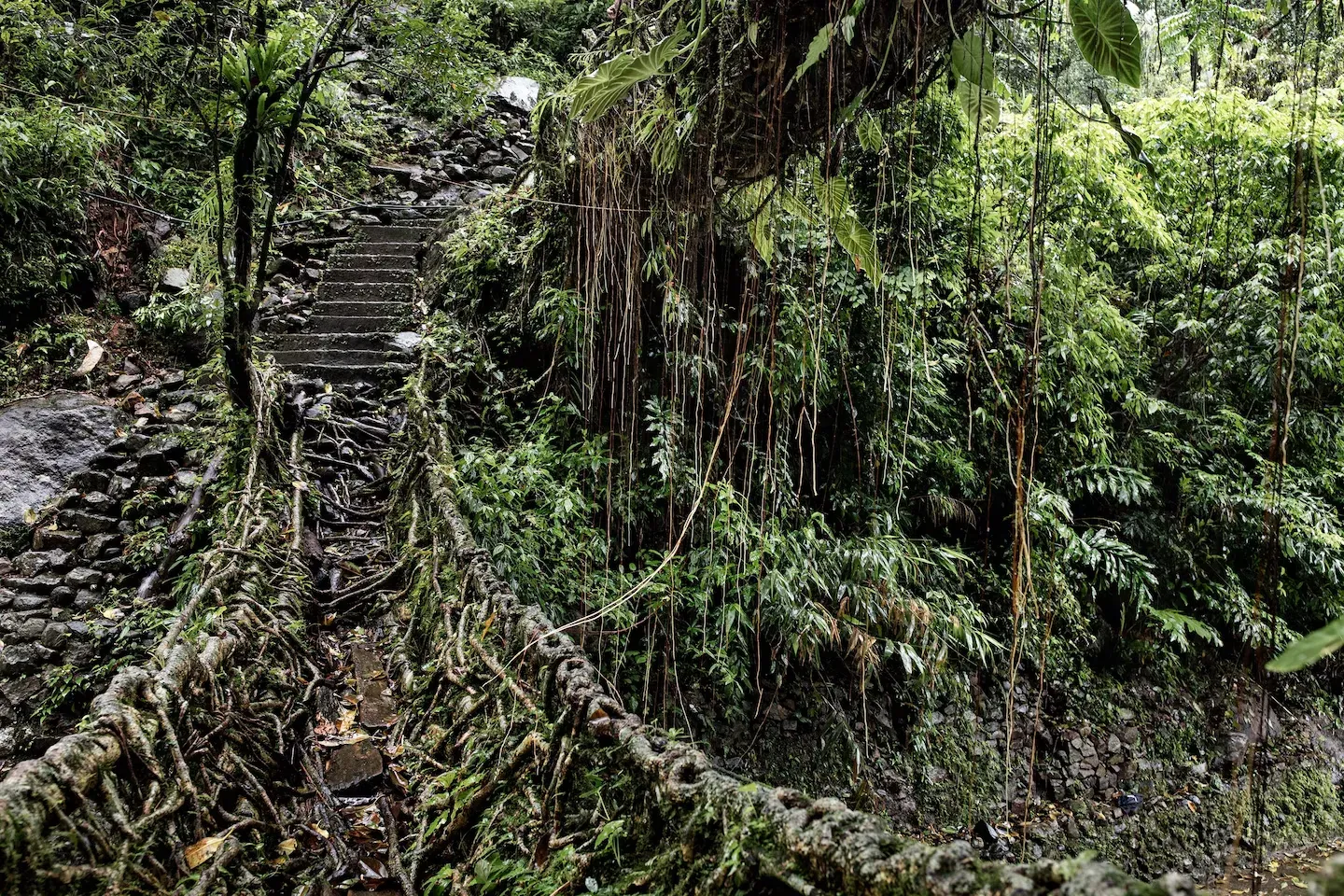 Stone steps connect the double-decker root bridge in Cheerapunji | Image source: Copyright © 1996-2015 National Geographic Society
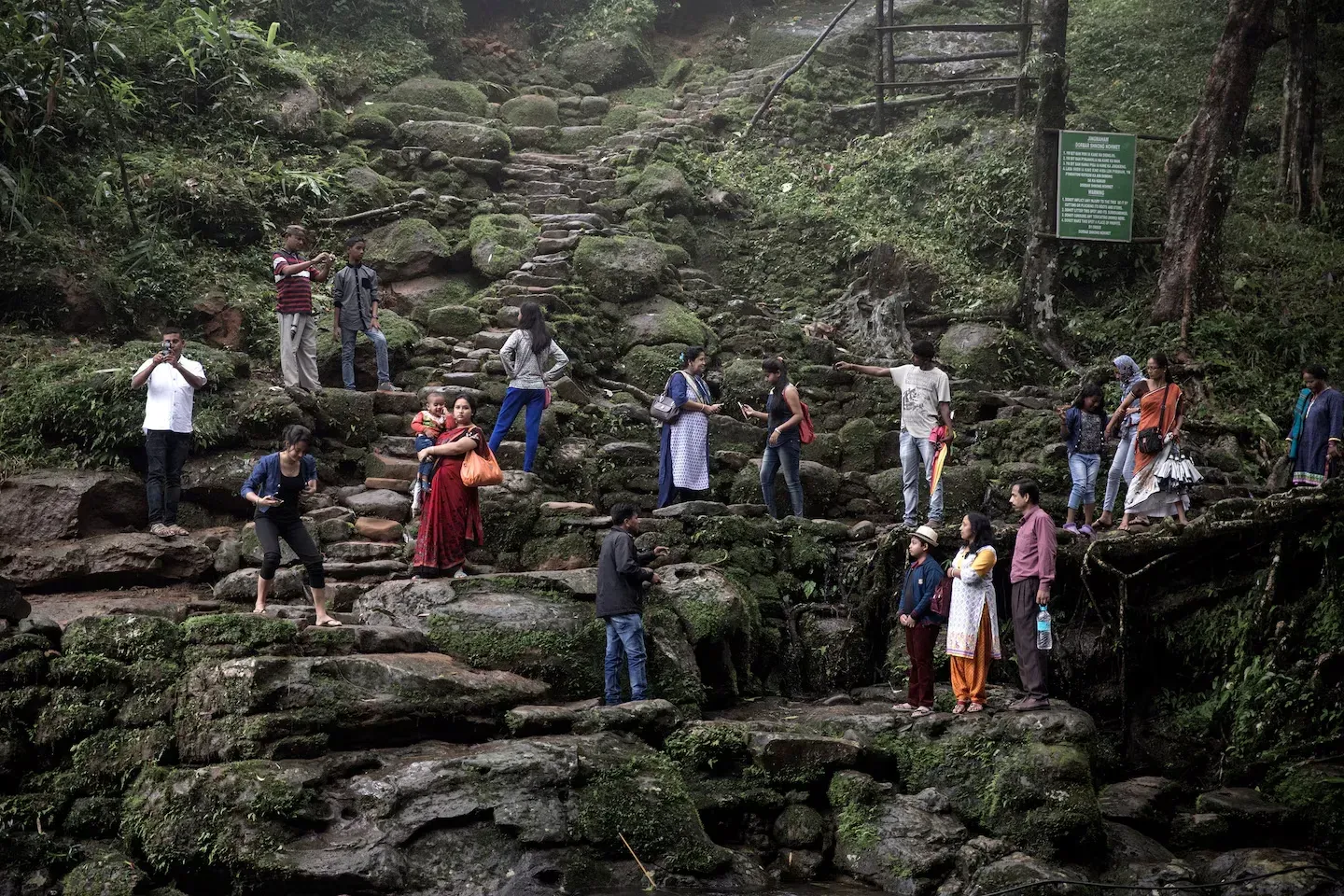 Tourists from all over India travel to Meghalaya to see the living root bridges | Image source: Copyright © 1996-2015 National Geographic Society
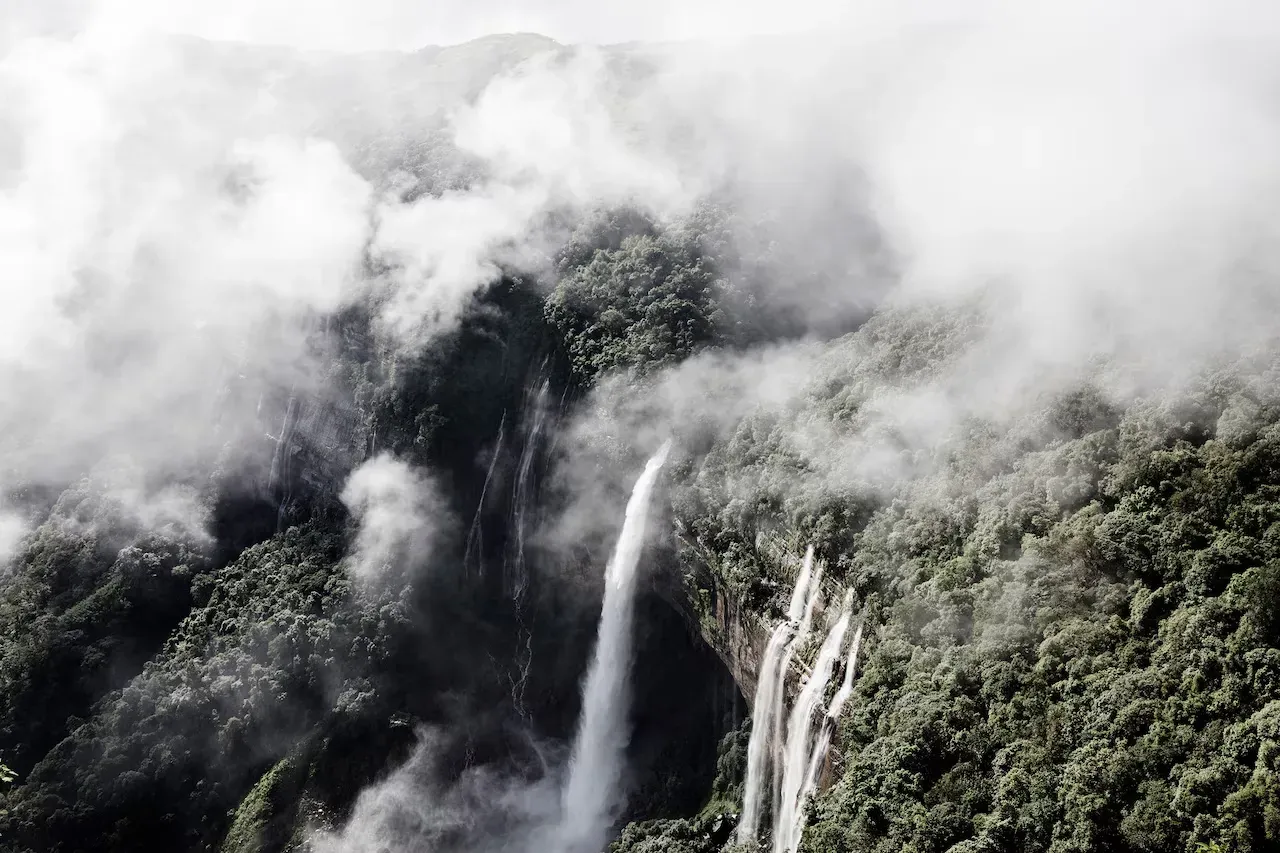 Water cascades down Meghalaya’s steep cliffs. It is one of the wettest regions on Earth | Image source: Copyright © 1996-2015 National Geographic Society
Efforts to preserve these living root bridges continue, supported by the local and international community. It is with a look to conservation and sustainable tourism practices for their survival into future generations. The key question now, however, is whether there will be any balance between accommodating tourists and, at the same time, preserving both the bridges and the unique ecosystem. They give support to making sure to protect these cultural icons in years to come.
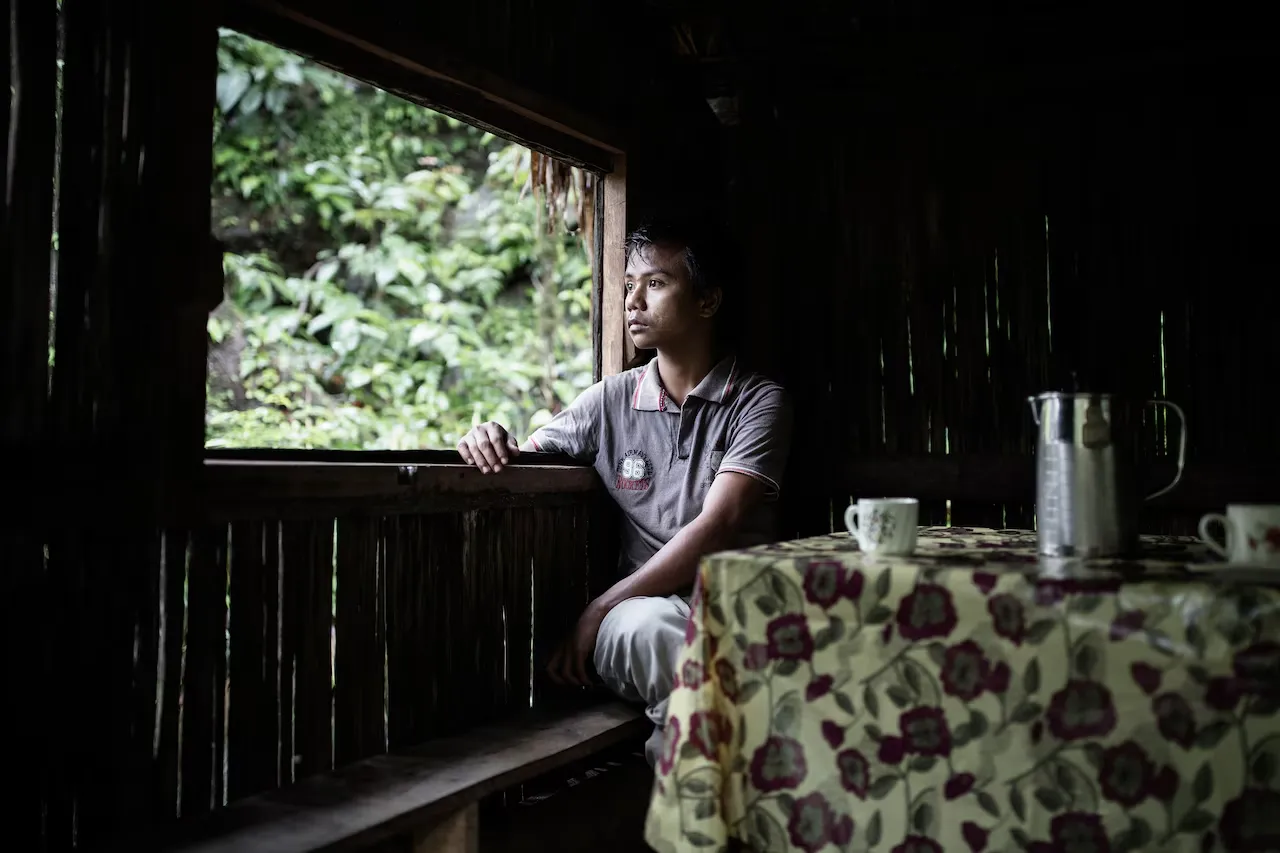 A man gazes out the window in Mawlynnong village | Image source: Copyright © 1996-2015 National Geographic Society
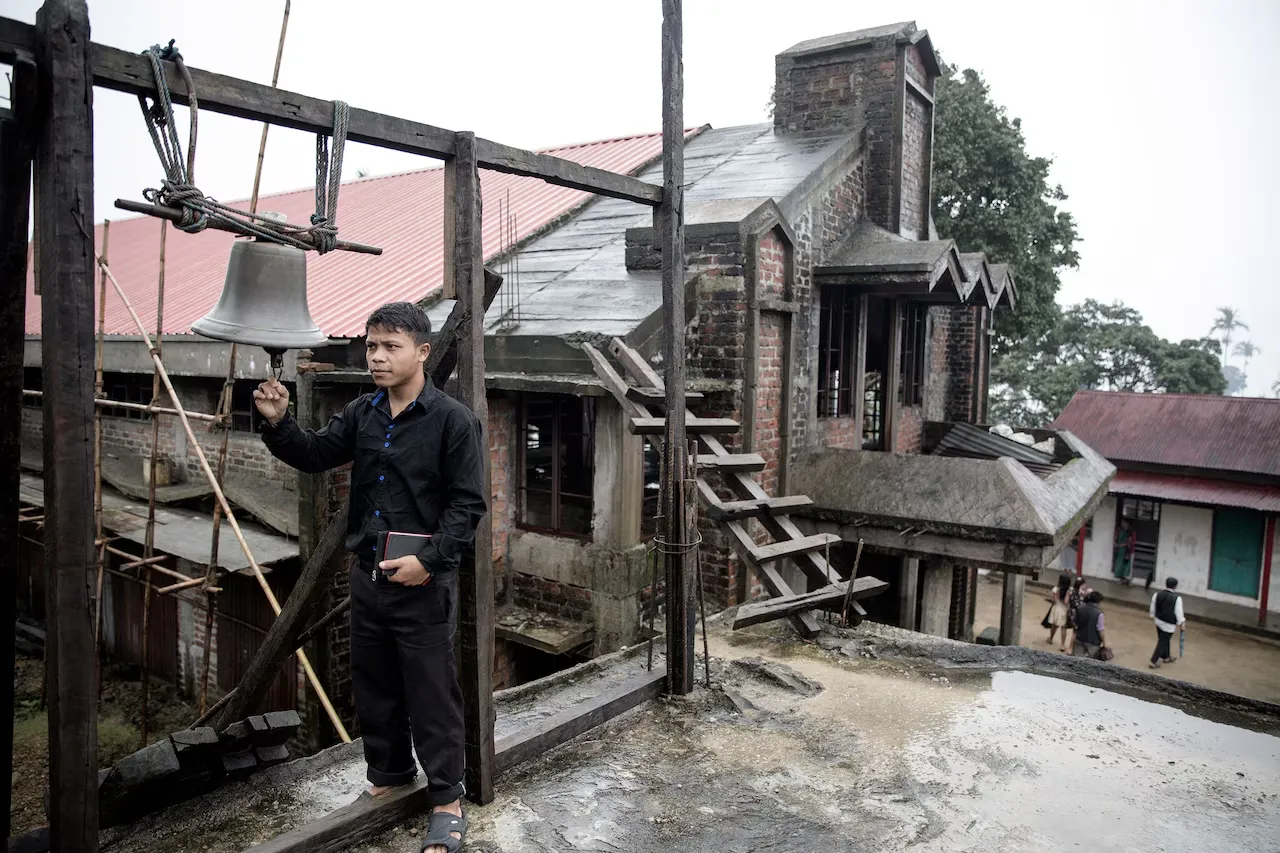 A man rings a bell outside the church in Mawlynnong | Image source: Copyright © 1996-2015 National Geographic Society
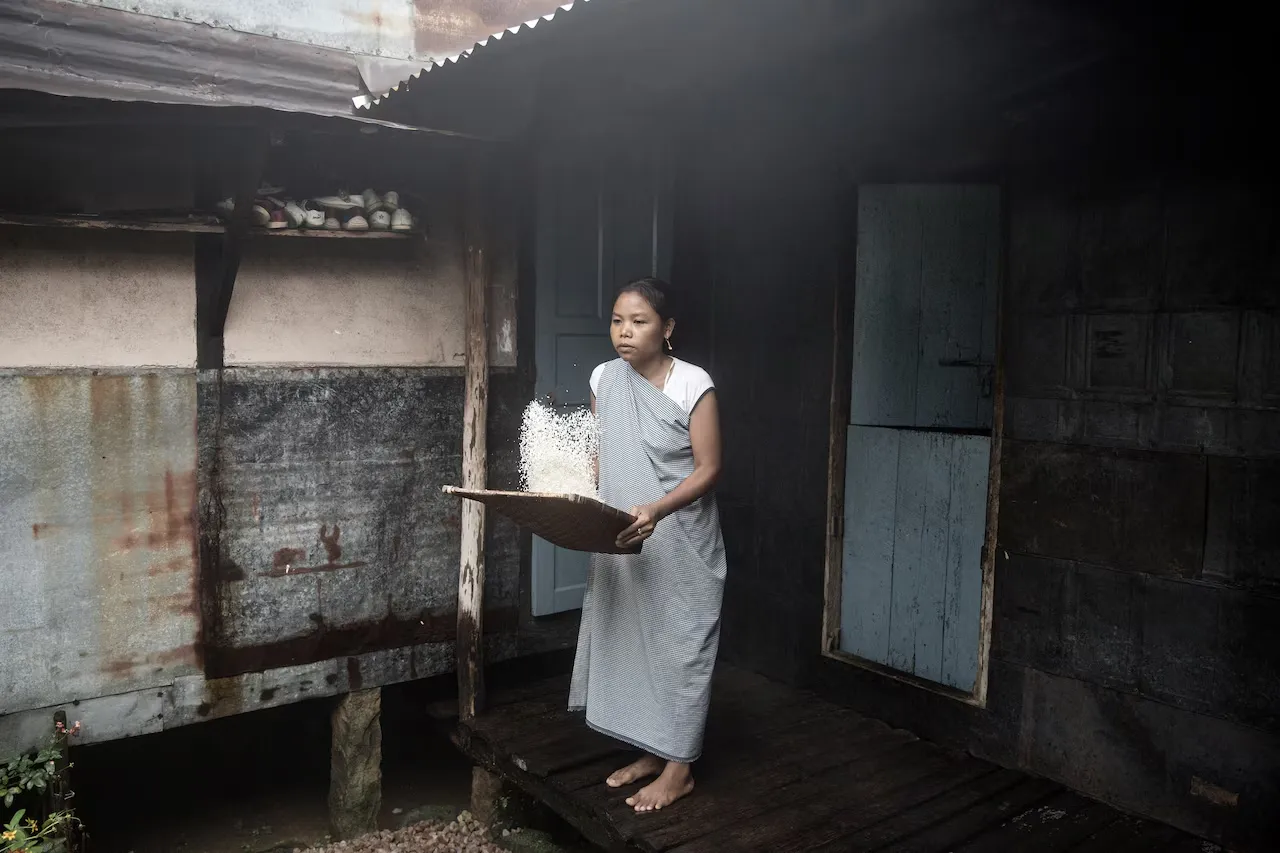 A woman prepares dinner in her bamboo house in Mawlynnong village | Image source: Copyright © 1996-2015 National Geographic Society
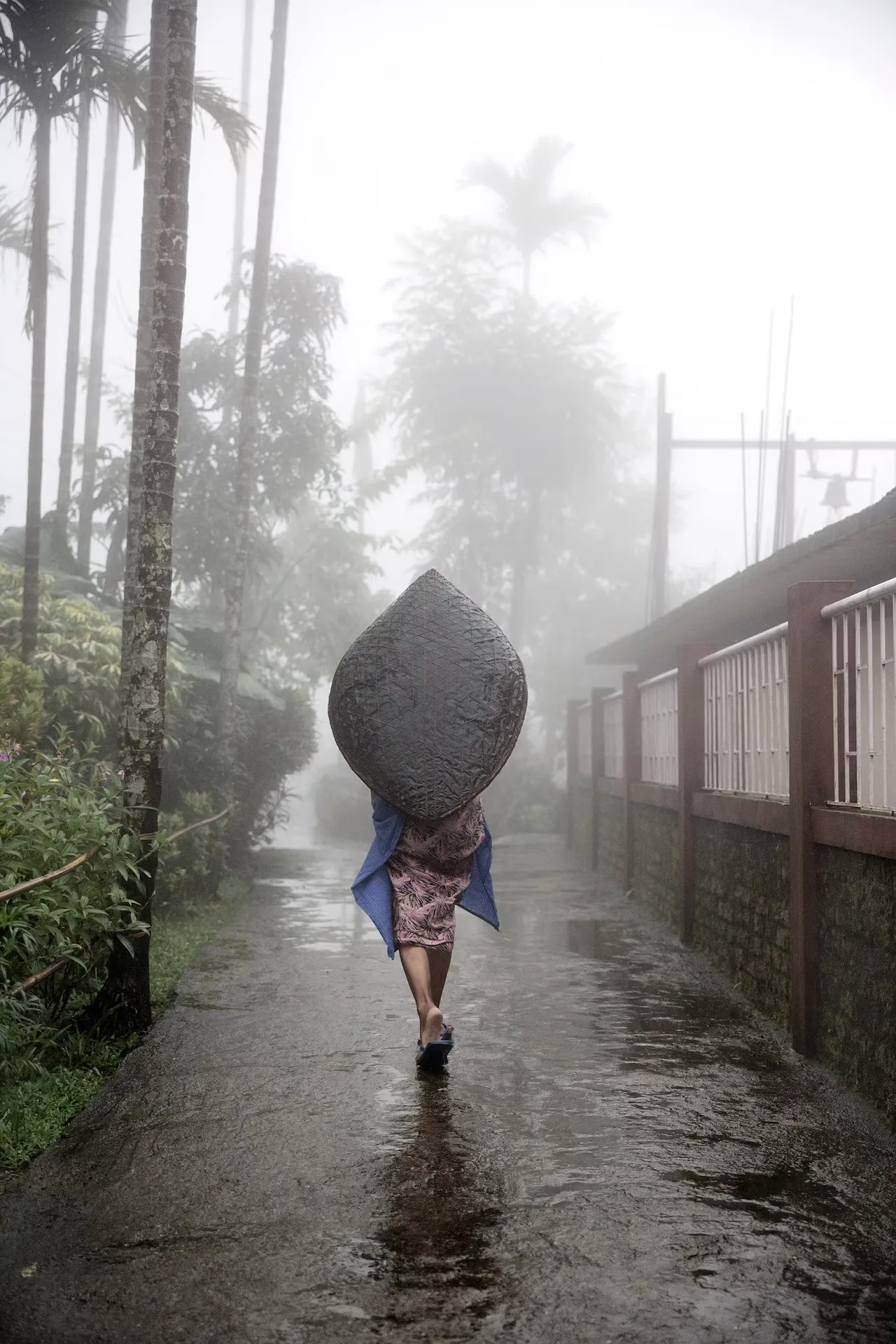 A woman uses a traditional Khasi umbrella to shield herself from the heavy rains | Image source: Copyright © 1996-2015 National Geographic Society
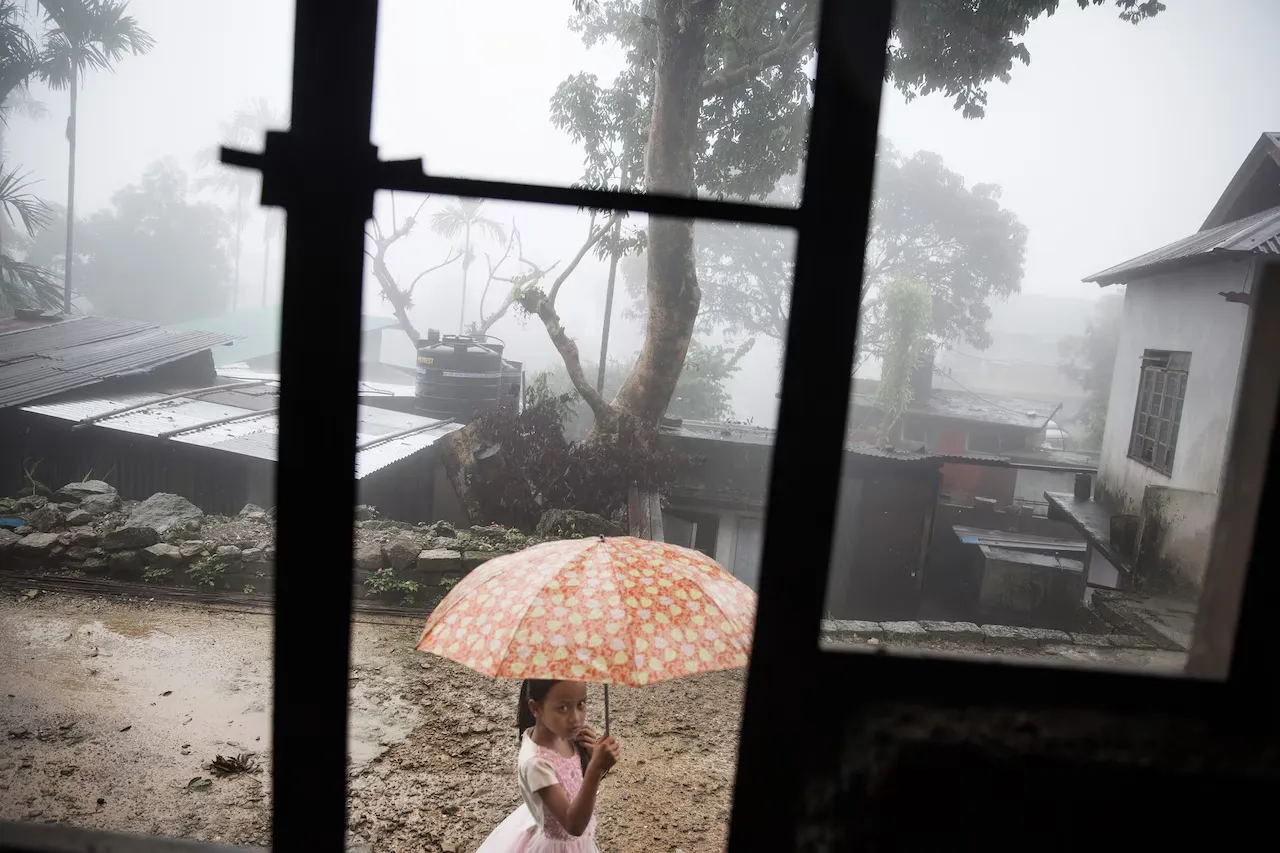 A young girl attends church in Mawlynnong | Image source: Copyright © 1996-2015 National Geographic Society
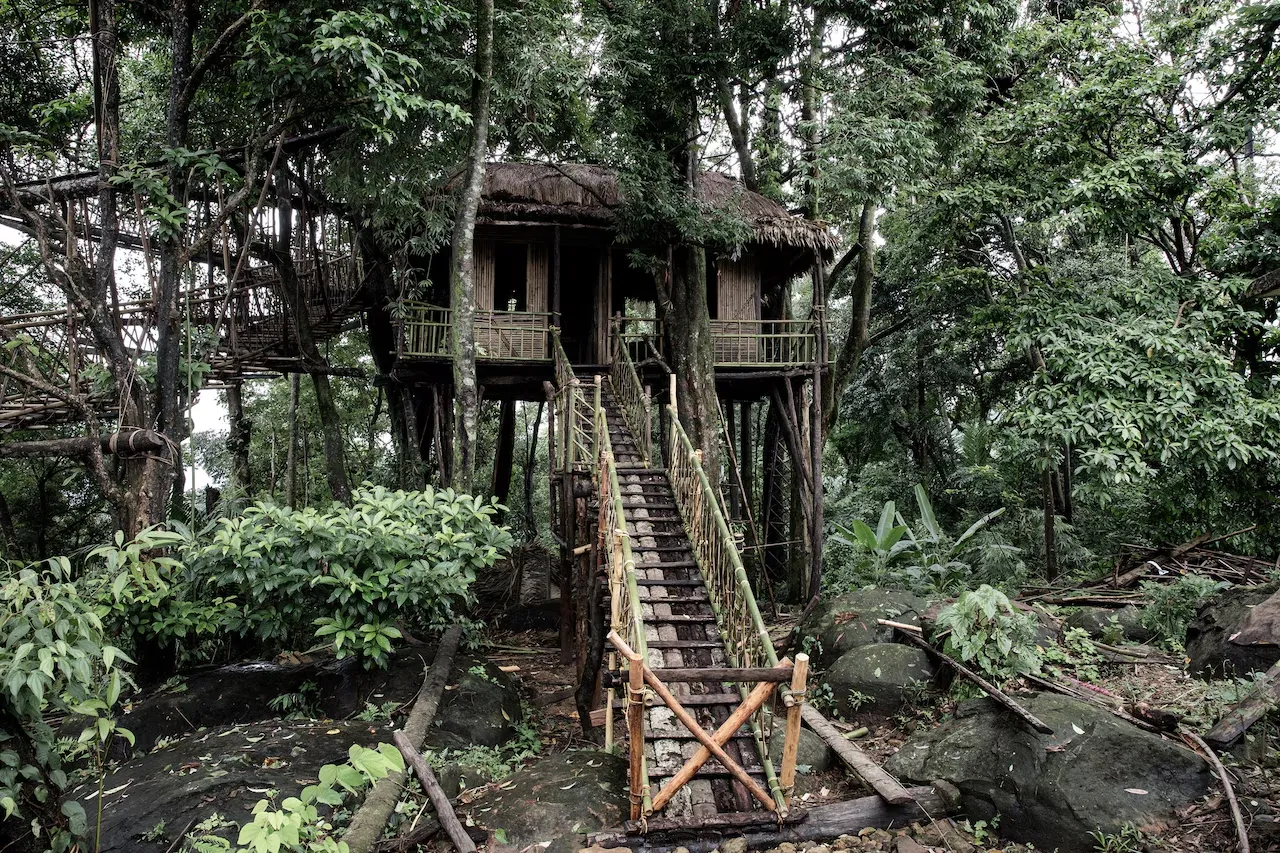 From a bamboo viewing station, visitors can see all the way to Bangladeshi border on a clear day | Image source: Copyright © 1996-2015 National Geographic Society
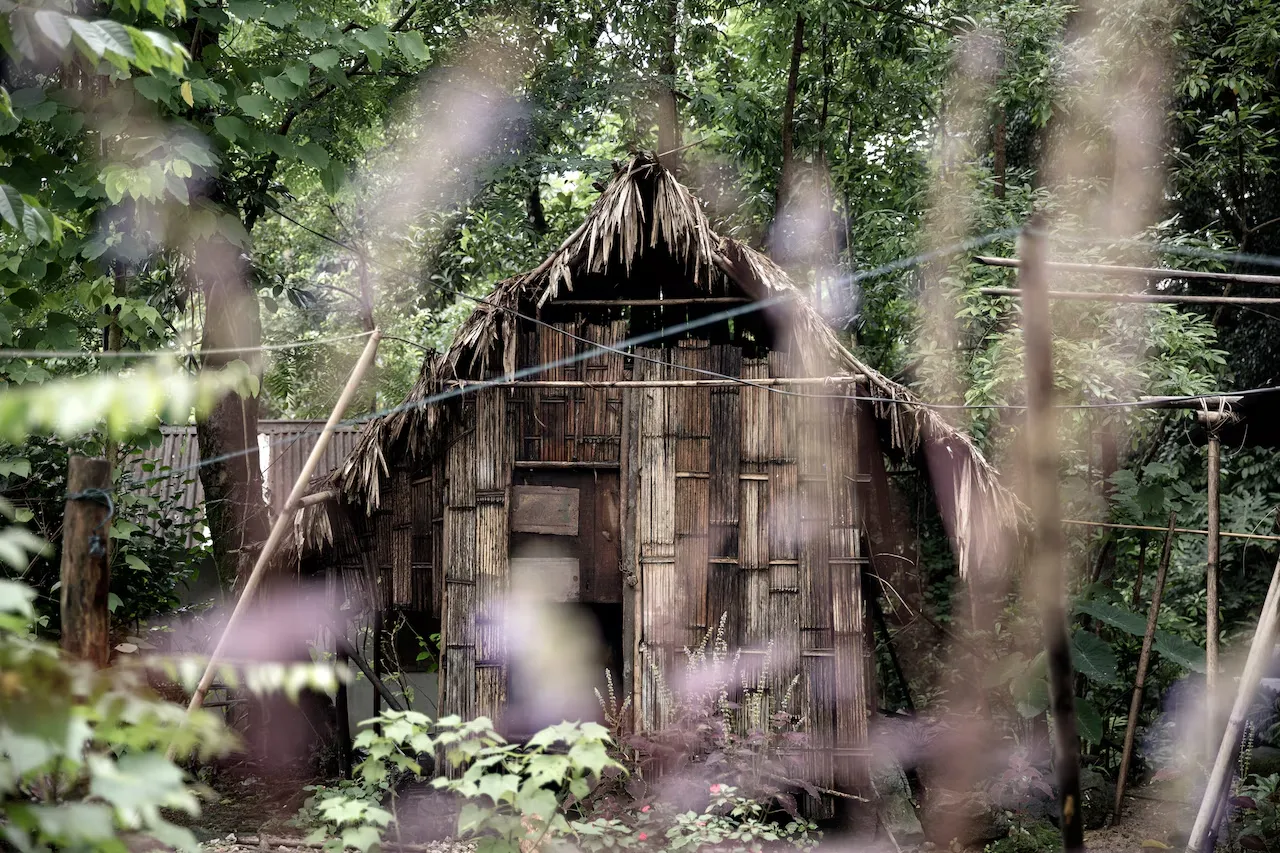 Mawlynnong village uses natural building materials to construct their homes | Image source: Copyright © 1996-2015 National Geographic Society
 The villagers of Mawlynnong gather at church on Sundays for mass and bible school | Image source: Copyright © 1996-2015 National Geographic Society
 Traditional dinner is served in the main restaurant in Mawlynnong village | Image source: Copyright © 1996-2015 National Geographic Society
 Vibrant sheets of cloth are hung to dry in Mawlynnong village | Image source: Copyright © 1996-2015 National Geographic Society
Conclusion
The living root bridges of Mawsynram stand tall as we close this tour of exploration. This remind us of what is possible when human ingenuity and imagination fall in step with nature. They challenge conventional ways of thinking about our relationship with the environment. This call us towards sustainable solutions in architecture and daily life. It is not merely the question of saving a structure. It is saving a legacy to bridge the past and future, keeping us informed about the fragile balance we share with our world.
Ongoing conservation protects such wonders and educates or inspires various communities around the world in sustainable living and cultural preservation. The world is still struggling to make ends meet with environmental problems. In conclusion living root bridges bring a sense of hope and strength-providing evidence that indeed from traditional knowledge rooted in deep respect for nature can rise a sustainable solution. Every living root bridge invites us to look backward toward our roots for answers to a sustainable future.
Also read,