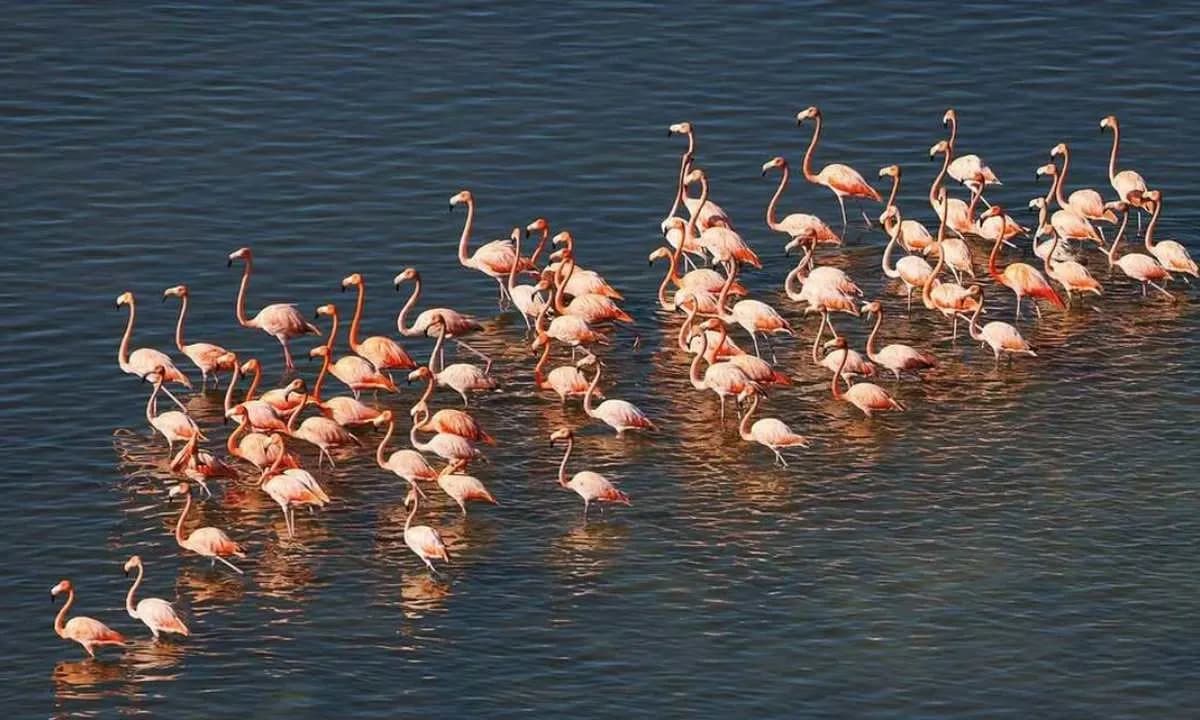
It started with a routine boat tour in Florida Bay, just along the edge of the Everglades National Park. A naturalist guide named Chris Johnson was showing visitors around when he spotted something that made him stop the boat. Across the shallow, greenish water near the shoreline, over a hundred pink shapes stood tall and still. It took a moment to be sure—but there they were: flamingos. Not just a few, but more than 100 of them.
What Johnson and his passengers were witnessing wasn’t just rare—it was the largest group of American flamingos seen in Florida in over a decade.
He quickly took a photo and reported the sighting to wildlife experts. As the news spread, birdwatchers and scientists from around Florida confirmed it: at least 125 American flamingos were gathered along the Florida Bay coastline. It was the kind of sight people hadn’t seen in years, especially not in such numbers.
Most of these flamingos were found between Middle Cape Sable and Sandy Key. Experts say this is the same area where flamingos were once common more than a century ago, before hunting and habitat loss drove them away. What makes this event even more important is that it wasn’t just a quick stopover. The birds stayed in the area for several days, moving around but mostly sticking to the same stretch of coastline.
Flamingos are native to the Americas, but most Americans rarely see them in the wild. The American flamingo, also known as Phoenicopterus ruber, used to be native to South Florida. But by the early 1900s, their numbers dropped sharply. They were hunted for their feathers and meat, and their wetland habitats were damaged or drained for development.
Today, most flamingos seen in the U.S. are thought to come from nearby Caribbean islands like the Bahamas or Cuba. Scientists believe the recent increase in sightings, including this large group in the Everglades, may be linked to hurricanes. Storms like Hurricane Idalia in 2023 are believed to have blown flamingos off their regular paths, landing them in unusual places like Florida, Ohio, Wisconsin, and even as far as Pennsylvania.
This new flock in the Everglades, however, may not just be passing through. Scientists with the Audubon Society and the U.S. Geological Survey have been tracking some of the flamingos using leg bands and GPS. In fact, at least one of the birds spotted this month was confirmed to have been banded earlier in Mexico. This shows the long distances these birds travel—and how Florida could still be part of their natural range.
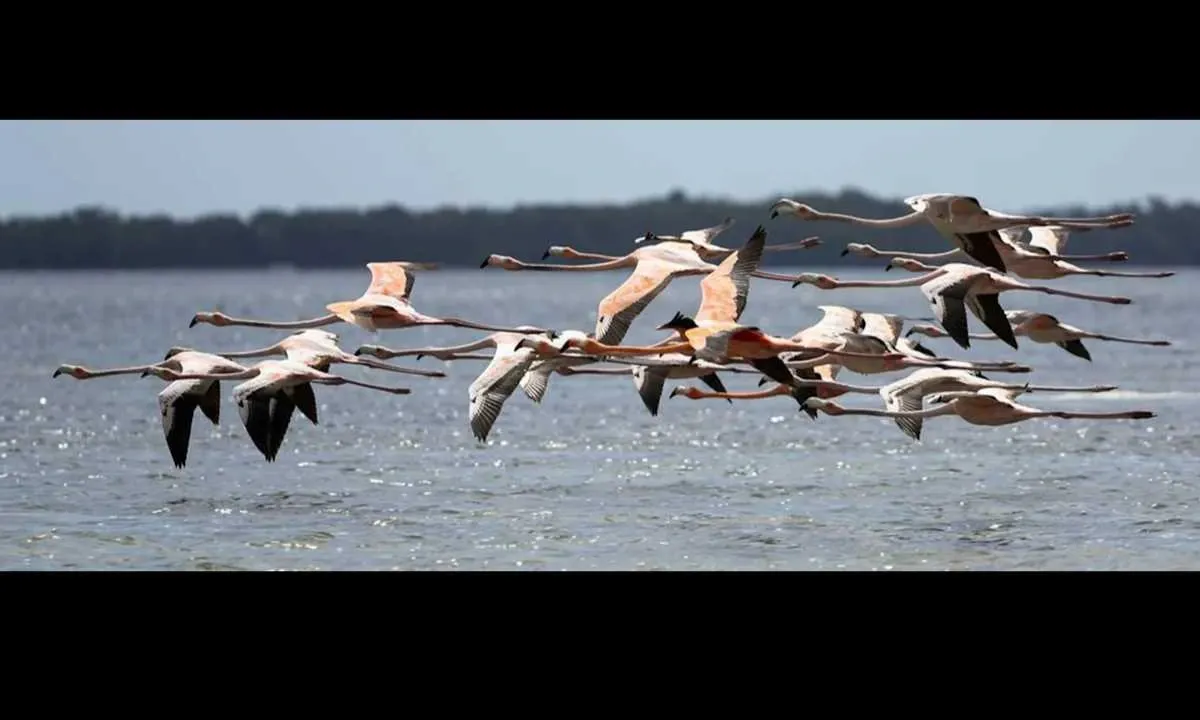
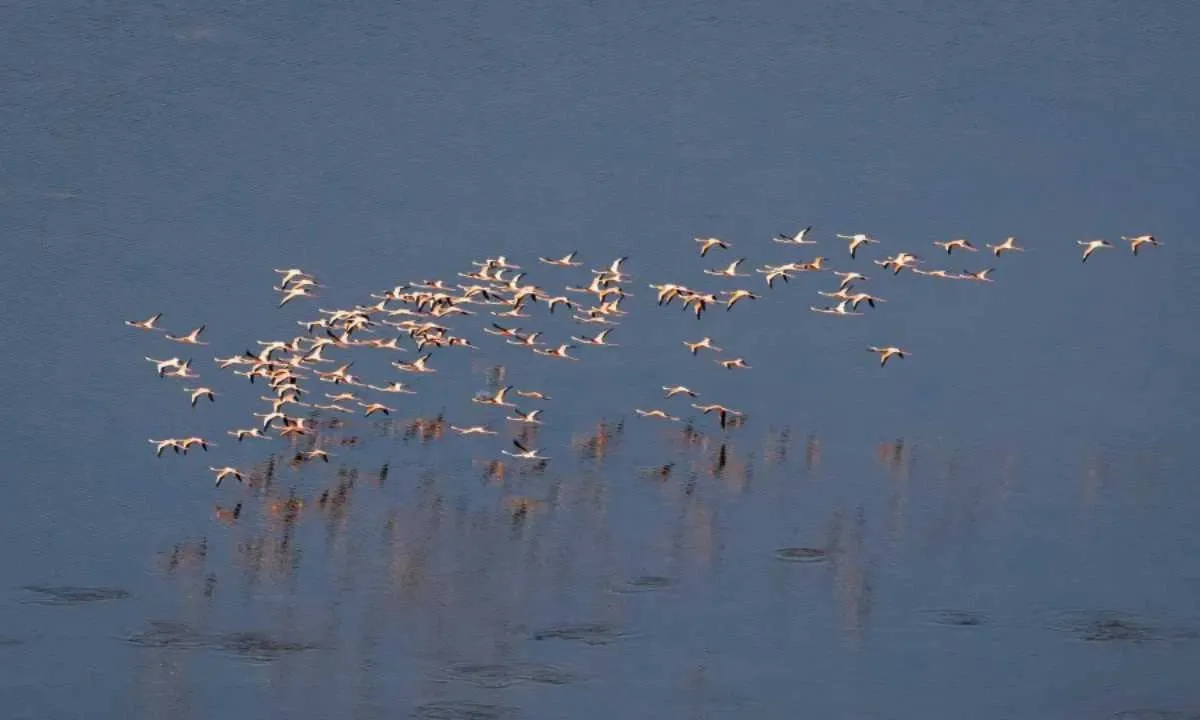
“Unfortunately it’s almost impossible not to spook a large group of flamingos from a helicopter and they rapidly took flight.”
Avian ecologist and restoration scientist Mark Cook said.
What makes this event even more meaningful is how it lines up with ongoing efforts to bring flamingos back to Florida. For years, organizations like Zoo Miami and Audubon Florida have worked together to study and protect flamingos. They’re trying to figure out how to make South Florida a safe and welcoming place for these birds again.
Ron Magill, wildlife expert and spokesperson for Zoo Miami, said that the return of such a large group is an exciting moment for conservationists.
“We know that flamingos once lived and bred here. This sighting gives us hope that we might one day see them return for good.”
Ron Magill, wildlife expert and spokesperson for Zoo Miami
But there’s still a long way to go. While 125 flamingos is a big number compared to past decades, it’s still a small population overall. Researchers will be watching closely to see if the birds stay longer or come back next year. They’ll also continue looking into how hurricanes, climate change, and wetland restoration are affecting the birds’ movement.
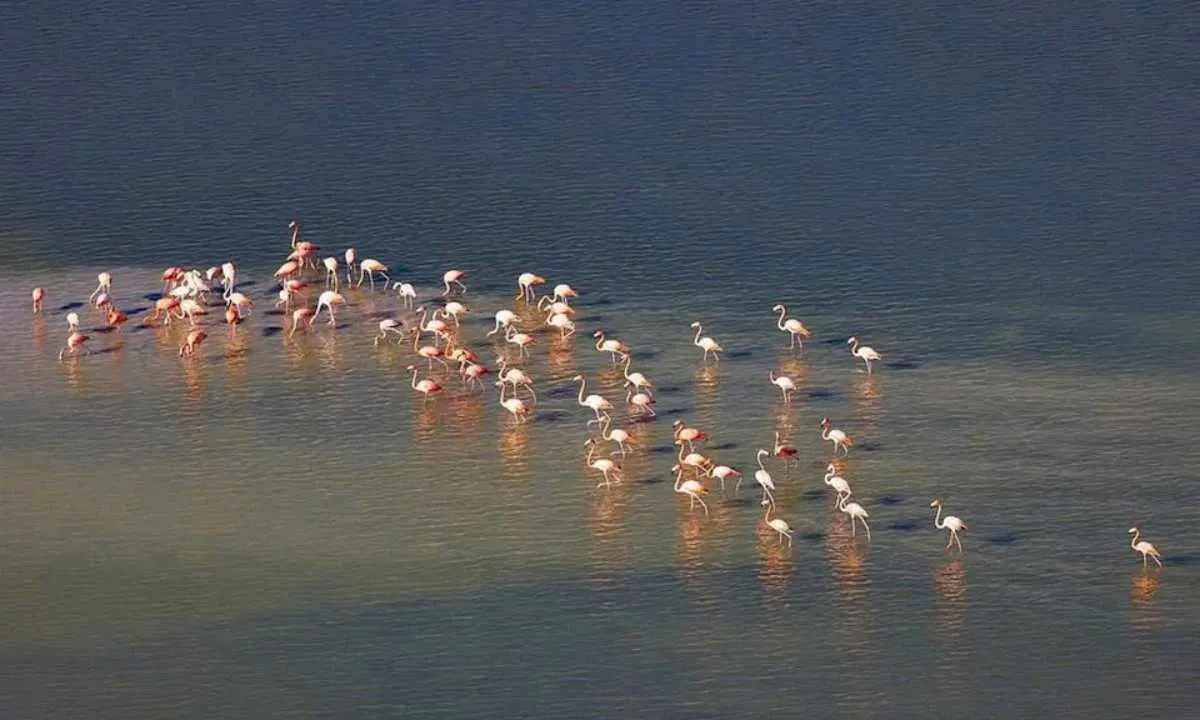
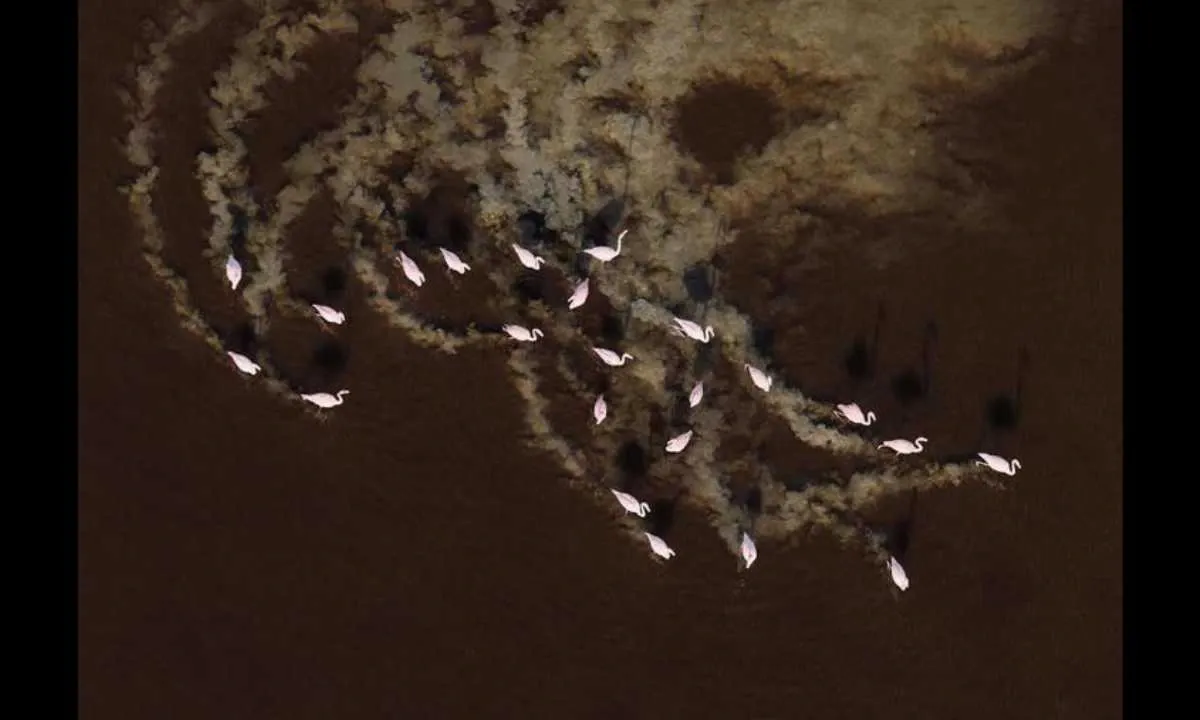
For now, the image of a vibrant pink flock standing quietly in the shallow waters of the Everglades feels like a moment from the past—or a hopeful glimpse into the future. It’s a reminder that nature, given time and space, sometimes finds a way to return.