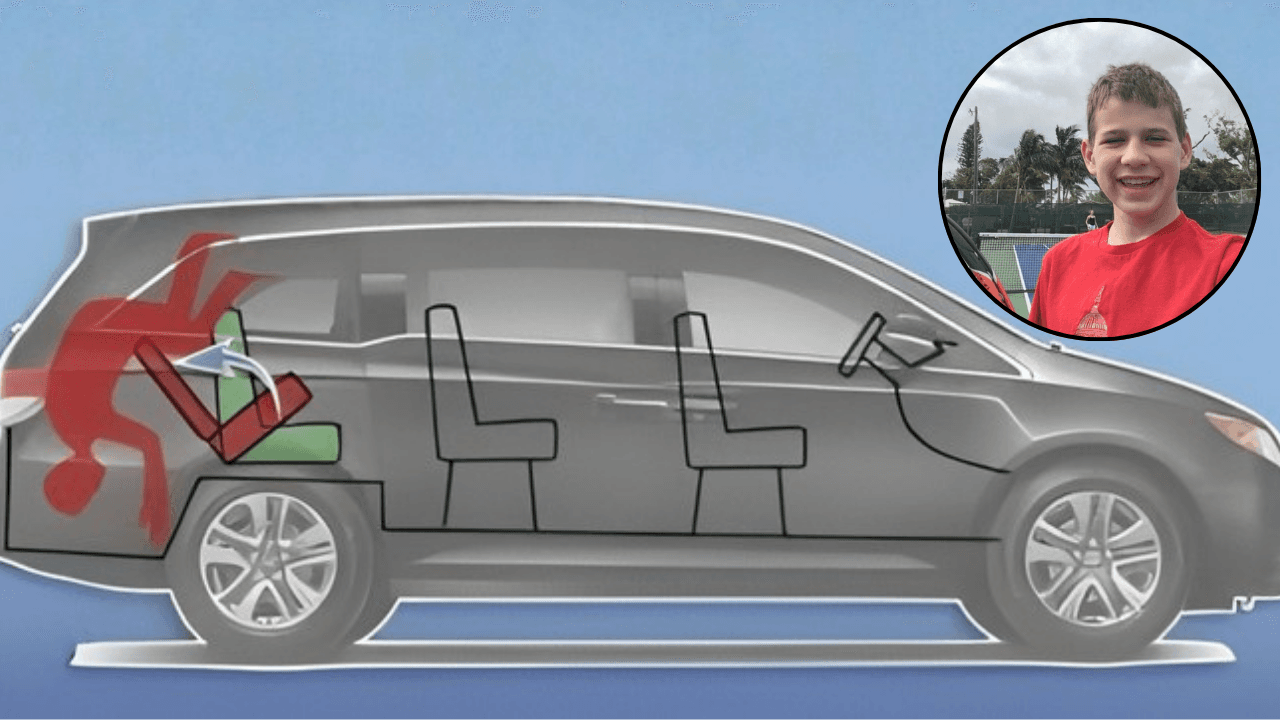
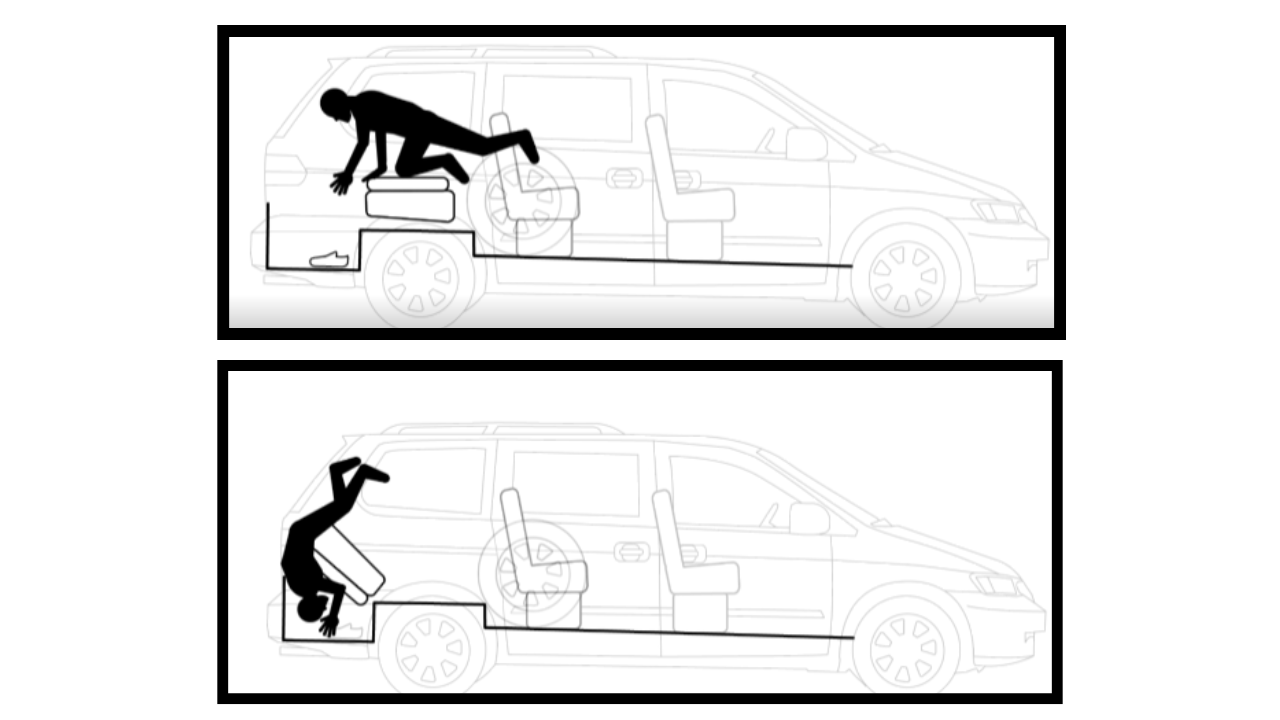
On a fateful day in April 2018, Kyle Plush, a bright and vivacious 16-year-old, found himself in a dire situation. He was at The Seven Hills School in Cincinnati when a routine attempt to retrieve tennis equipment from the back of his family’s Honda Odyssey turned into a nightmare. The third-row seat later found to have a dangerous design flaw flipped over and trapped him, compressing his chest and leaving him unable to breathe.
With desperation setting in, Kyle reached for his phone, using Siri to call 911 twice. “I’m trapped inside my gold Honda Odyssey. Send officers quickly,” he pleaded. In his second call, he added, “This is not a joke. I’m almost dead.” Both calls clearly stated his location near The Seven Hills School parking lot, yet he would not be found in time.
The police response was tragically flawed. Independent reviews later revealed that 911 call-takers mishandled the emergency, failing to effectively use or relay Kyle’s approximate location to responding officers. Two officers arrived nearby but never searched or entered the van, and they ultimately cleared the scene believing the call might be a false alarm. Precious minutes slipped away as Kyle struggled for air, trapped just yards from where responders stood.
Hours later, as the sun began to set, hope faded for Kyle. When he didn’t return home, his father, Ron Plush, began searching. Using Find My iPhone, he located his son’s device in the school parking area. What he found was heart-wrenching Kyle lifeless inside the minivan, having died from asphyxia due to chest compression.
The moment Ron discovered his son was an emotional tsunami. It wasn’t only a personal loss but a shocking revelation of system failure. How could a boy reach out for help twice and still die unheard? Despite the haunting audio of his pleas, the tragedy exposed serious flaws in Cincinnati’s Emergency Communications Center (ECC).
In the months that followed, the Plush family filed a wrongful-death lawsuit against the City of Cincinnati. They sought not only justice for Kyle but also lasting reform. The case led to widespread media coverage, public outrage, and renewed scrutiny of 911 procedures and technology.
By 2021, the family reached a $6 million settlement with the city. Under the agreement, Cincinnati committed to five years of independent oversight, improved training for call-takers, and new mapping and communication systems to prevent similar failures. The ECC has since implemented reforms, including technology upgrades, real-time quality control, and location-sharing improvements.
Kyle’s story became a catalyst for change a painful reminder of how small missteps in emergency response can cost lives. Nearly six years later, his case still resonates deeply, forcing cities nationwide to reconsider how they handle distress calls.
The question remains: How many voices still risk going unheard? Kyle Plush’s tragic fate reminds us that the duty to protect and serve must begin with listening because sometimes, a single unanswered call can define the difference between life and death.
Disclosure: We may earn a commission when you make a purchase through the ads.