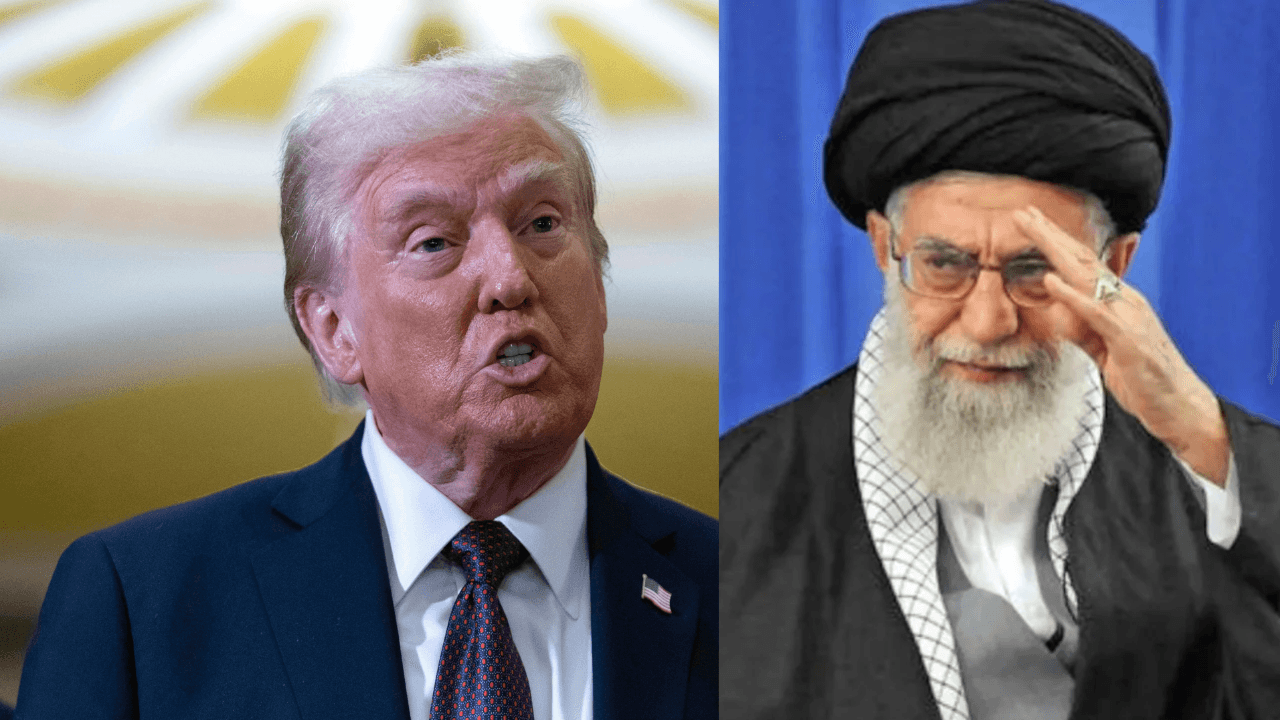
For the first time in nearly four decades, Iran’s Supreme Leader Ayatollah Ali Khamenei did not attend the annual February 8 meeting with air force commanders, according to multiple reports. The gathering traditionally commemorates the 1979 pledge of loyalty by air force officers to Ayatollah Ruhollah Khomeini and has symbolic importance in Iran’s military calendar. Khamenei has attended every year since becoming Supreme Leader in 1989, even during the COVID-19 pandemic.
Why the Absence Matters
This year’s absence comes as tensions between Tehran and Washington have escalated sharply. The United States has increased its military presence in the region amid fears of a possible strike against Iran, sending assets including the USS Abraham Lincoln aircraft carrier and fighter jets to the Gulf. Analysts say Khamenei’s decision to skip the event — replaced instead by Iran’s armed forces chief Abdolrahim Mousavi — may reflect heightened concern about security or a focus on urgent state matters.
The February 8 ceremony is tied to a historic moment early in the Iranian Revolution, when air force personnel pledged allegiance to the Islamic Republic’s founder, shaping Iran’s post-revolution military leadership. Scholars note that the ritual has been important in reinforcing unity between Iran’s clerical leadership and its military forces.
Tensions With the United States
Recent months have seen a buildup of US forces near Iran’s borders. Satellite imagery and defense sources show arrivals of jets, drones, and naval vessels in the broader Middle East, fueling fears of confrontation. Tehran has repeatedly warned that a US attack could trigger a wider regional conflict, echoing concerns voiced during earlier clashes in 2025.
The United States and Iran remain at odds over several diplomatic issues, including Tehran’s nuclear efforts and its missile arsenal. While talks have taken place, disagreements on negotiation scope continue to strain relations.
What Analysts Say
Experts told Reuters that Khamenei’s absence may signal a tactical shift or internal prioritization, rather than a change in broader policy. They note that such symbolic breaks often carry political weight in Tehran’s decision-making circles and could indicate a strategic response to external pressure.
Even so, Iran’s leadership continues to send mixed signals, blending warnings with diplomatic engagement as regional tensions persist. How this break in tradition will be interpreted domestically and internationally remains an open question.