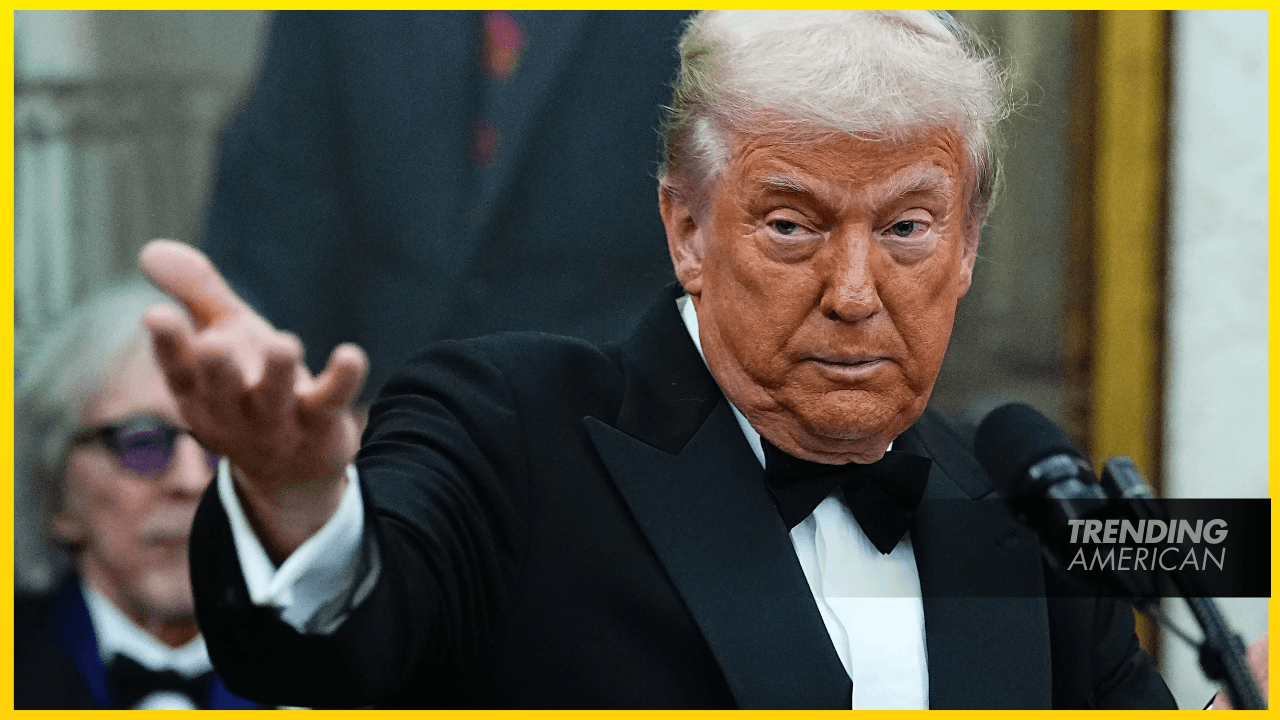
In Washington, D.C., the Kennedy Center Honors ceremony hosted by Donald Trump drew the lowest national audience on record, a development that has the Kennedy Center’s public-relations team defending the broadcast rather than criticizing it. The December 23, 2025 ceremony at the Kennedy Center, aired on CBS, featured honorees George Strait, Sylvester Stallone, KISS, Michael Crawford, and Gloria Gaynor, a lineup the Center billed as a celebration of American achievement.
Early numbers show the broadcast averaged about 3.01 million viewers, roughly 25% below the prior year’s 4.1 million. In the Center’s view, this decline cannot be treated as a simple, one-to-one comparison with previous ceremonies, arguing that year-to-year apples-to-oranges obscure the broader shifts reshaping television viewing.
The Center’s defense hinges on several points. First, the public-relations team contends that overall television usage has declined across outlets and devices, a trend that can depress even high-profile specials. Second, they point to performance in key demographics and to the reach of the broadcast across social media as evidence of continued engagement despite the raw ratings dip. Taken together, they argue that the honors—while down in raw viewers—remain a meaningful cultural moment in a fractured media landscape.
Critics have framed the ratings drop in broader political and cultural terms, suggesting that hosting the ceremony by a sitting president who generates intense political polarization may have fragmented the audience and distracted attention from the program itself. Some observers note that the shift in viewing habits—with more audiences skipping traditional linear TV in favor of streaming and on-demand options—can amplify declines for live specials.
As the Kennedy Center seeks to contextualize the numbers, this episode underscores a larger conversation about how art, politics, and audience behavior intersect in the modern media ecology. Whether future Honors broadcasts can recover audience share while maintaining the event’s profile will likely depend on both the evolving media landscape and the Center’s approach to public messaging about ratings.