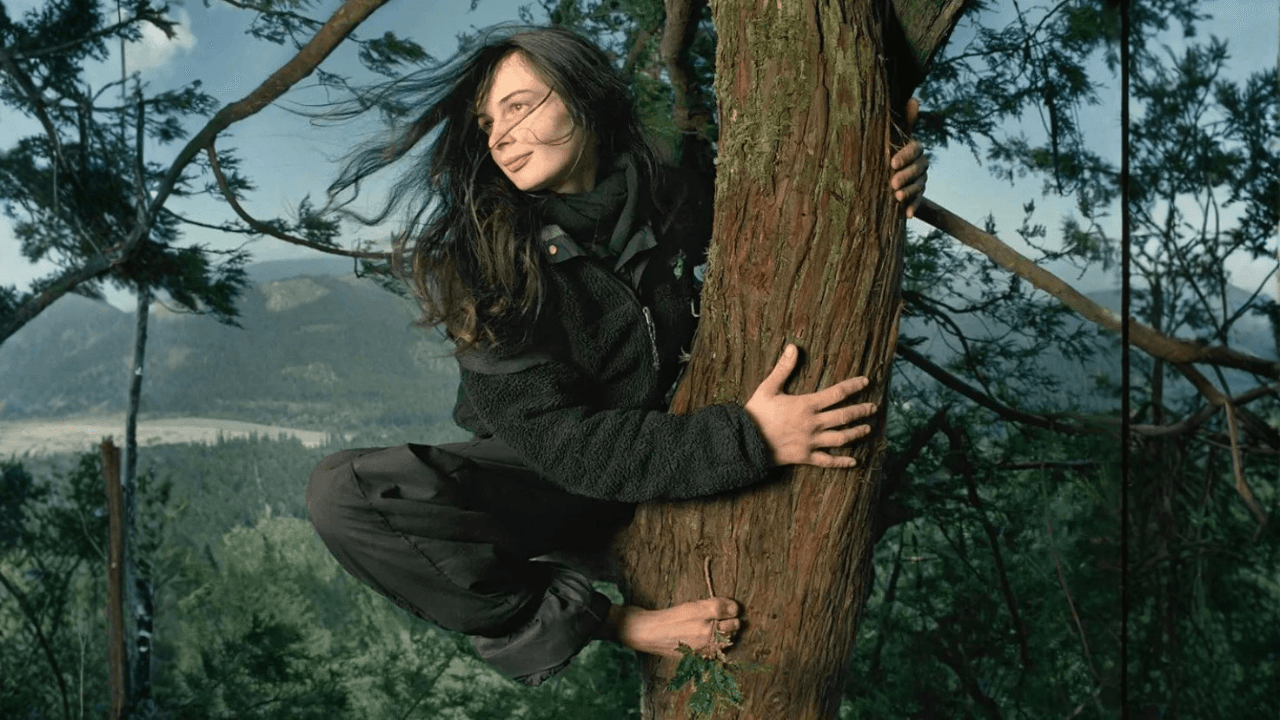
On December 10, 1997, a 23-year-old environmental activist named Julia Butterfly Hill climbed into a massive California redwood tree named Luna. She didn’t come down for 738 days. Her goal was clear—protect Luna and the surrounding forest from being cut down by the Pacific Lumber Company in Humboldt County, California.
The Beginning of a Remarkable Protest
Julia’s tree-sit wasn’t just about one tree. It was a stand against clear-cut logging and the destruction of ancient forests. Luna, estimated to be around 1,000 years old, became both her shelter and her symbol of resistance. From the moment she ascended, Julia faced physical and emotional challenges few could imagine.
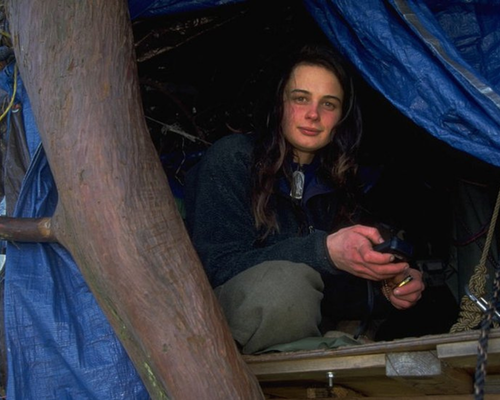
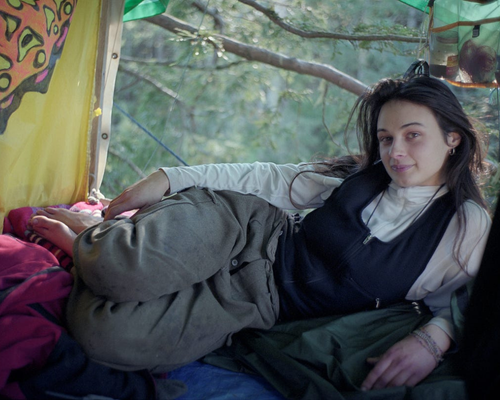
She lived on two small platforms, roughly six by eight feet each, built high in Luna’s branches. There was no running water, electricity, or comfort—only wind, cold, and isolation. Her meals were simple, often sent up by supporters using ropes. Rainstorms drenched her. Winter temperatures dipped below freezing. And at times, helicopters buzzed dangerously close to her canopy perch.
Isolation, Fear, and an Unexpected Teacher
As days turned into months, Julia’s greatest struggle became endurance. She faced threats from loggers who cut nearby trees and psychological pressure from those who wanted her down. Despite this, she found peace in her bond with Luna.
“Luna taught me patience and listening,” Julia later said. Over time, she began seeing the tree not just as a living being, but as a mentor. Through long nights and fierce storms, she journaled, prayed, and spoke to Luna as if speaking to a friend.
A Global Symbol of Hope
Julia’s story spread worldwide. Reporters, supporters, and activists turned their eyes to the redwood forest. She became a global symbol of courage and environmental responsibility. Her 738-day protest inspired conversations about sustainability and corporate accountability long before social media could amplify such voices.
As her protest gained attention, the Pacific Lumber Company faced mounting pressure to negotiate. Julia refused to come down until there was a legal commitment to protect Luna from destruction.
The Victory That Changed Forest Activism
On December 18, 1999, Julia’s dedication finally paid off. Pacific Lumber agreed to protect Luna and a 200-foot buffer zone around it. The deal also included a $50,000 donation from Julia’s supporters to the company, used for sustainable forestry projects. This agreement marked one of the most remarkable peaceful victories in environmental activism.
Julia descended from Luna after two long years in the sky. Tears and cheers met her return to the ground. “If one person can make a difference, imagine what we could do together,” she said soon after, capturing the essence of her protest.
@biz_thoughts This woman lived for 2 years at the top of a tree.
♬ original sound – biz_thoughts
Life After Luna
Julia didn’t stop once her tree-sit ended. She wrote a bestselling memoir, The Legacy of Luna, and founded environmental initiatives promoting mindful living and conservation. Her activism expanded to include climate justice, sustainability education, and corporate responsibility. Luna, meanwhile, was later vandalized but successfully stabilized by conservationists. Today, it still stands, protected by Sanctuary Forest under a permanent conservation easement.
The Lesson That Still Echoes
Julia Butterfly Hill’s two-year stand in a redwood tree reminds us that one person’s courage can shift global awareness. She showed that action doesn’t always need loud crowds—it can begin with quiet persistence, high above the forest floor.
In a world of rapid industrial growth and fading natural spaces, Luna remains more than a tree. It’s a living symbol of resistance, hope, and faith in what one person can do. The question Julia’s story leaves behind is powerful and personal: How far would you go to stand up for what you believe in?
Disclosure: We may earn a commission when you make a purchase through the ads.