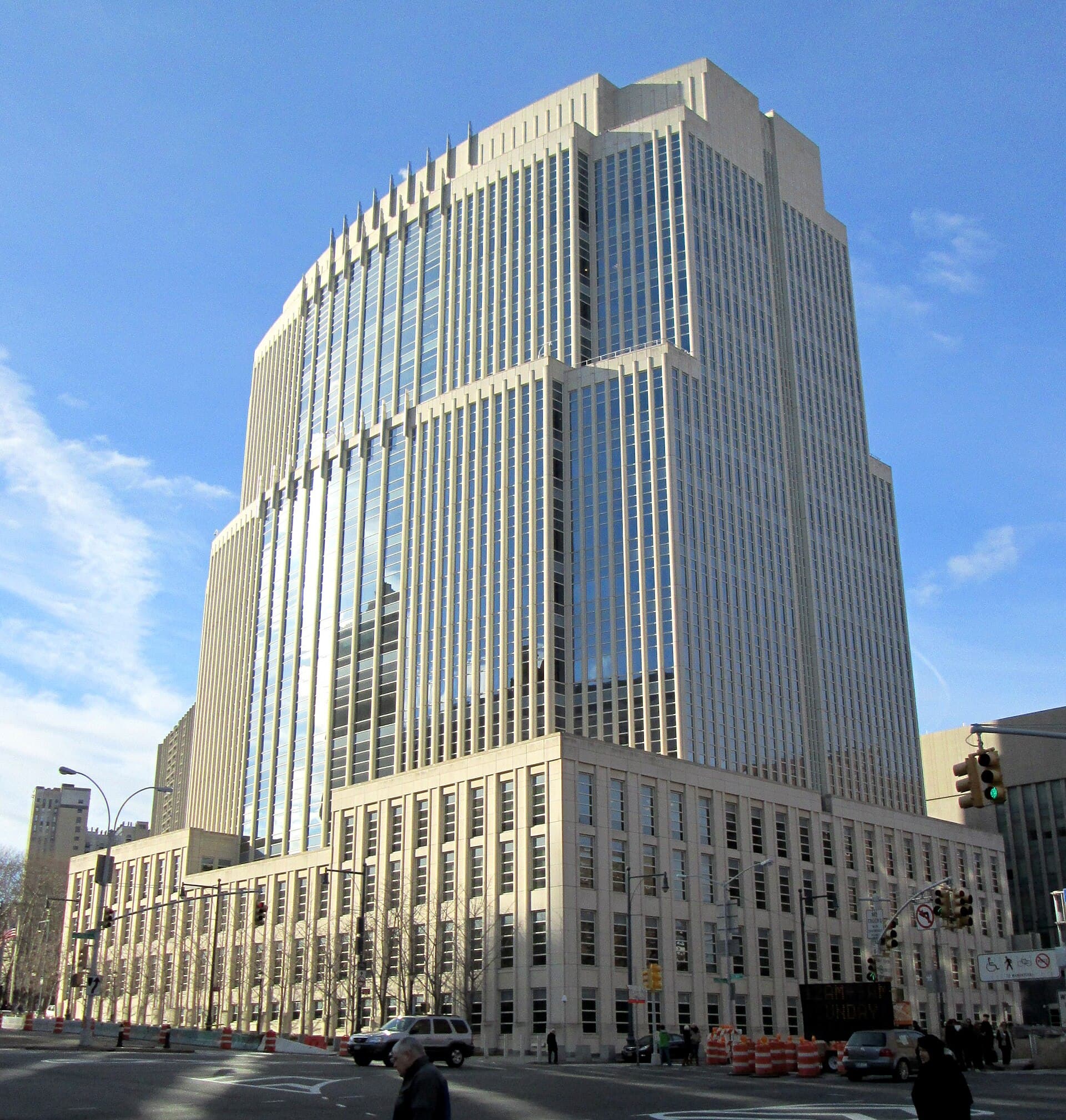
New York City's sanctuary laws survived a major federal challenge this week. On Thursday, Oct. 15, a federal judge in Brooklyn threw out the Trump administration's lawsuit against the city's limits on cooperation with immigration enforcement. He found the government had no valid basis to sue.
Key takeaways
- U.S. District Judge Ramon Reyes Jr. of the Eastern District of New York dismissed the Justice Department's lawsuit in a 25-page order.
- He said striking down the city's rules wouldn't help the government, because New York state law already bars local officers from civil immigration arrests without a judge's authorization.
- City rules limiting the sharing of release dates and custody information stand, because federal law doesn't require cities to share them.
- The ruling came a week after an ICE agent shot a man in the city's Marble Hill neighborhood.
What the Judge Decided
The Justice Department sued the city in July 2025, when Eric Adams was mayor. It argued that the city's sanctuary policies violate the Constitution's Supremacy Clause, which gives federal law priority, by obstructing immigration enforcement. According to the lawsuit, the city's Department of Correction honored only 4% of ICE detainer requests in fiscal 2024.
Reyes didn't agree that the government could sue, Reuters reported:
- Detainers: The city's ban on police holding immigrants at ICE's request can't be challenged, because state law already prohibits that practice. Knocking down the city rule "would not provide the relief" the government wanted.
- Information sharing: City limits on telling ICE about release dates, whereabouts and custody are valid, because federal law doesn't make local governments share that information.
Justice Department lawyers had argued the city's rules force officers into "difficult and dangerous efforts to re-arrest aliens who were previously in local custody." The city's sanctuary laws date back to the 1980s, Patch noted.
"Today, They Lost"
Mayor Zohran Mamdani celebrated the decision.
"The federal government came to court seeking to force New York City to turn its public servants into deportation agents and divert our resources toward carrying out ICE's cruel agenda," he said. "Today, they lost."
He added that the city "will continue to uphold our local laws and use every tool at our disposal to protect New Yorkers from ICE's abuses."

A Week After the Marble Hill Shooting
The ruling landed amid a fierce fight between City Hall and the federal government over immigration enforcement.
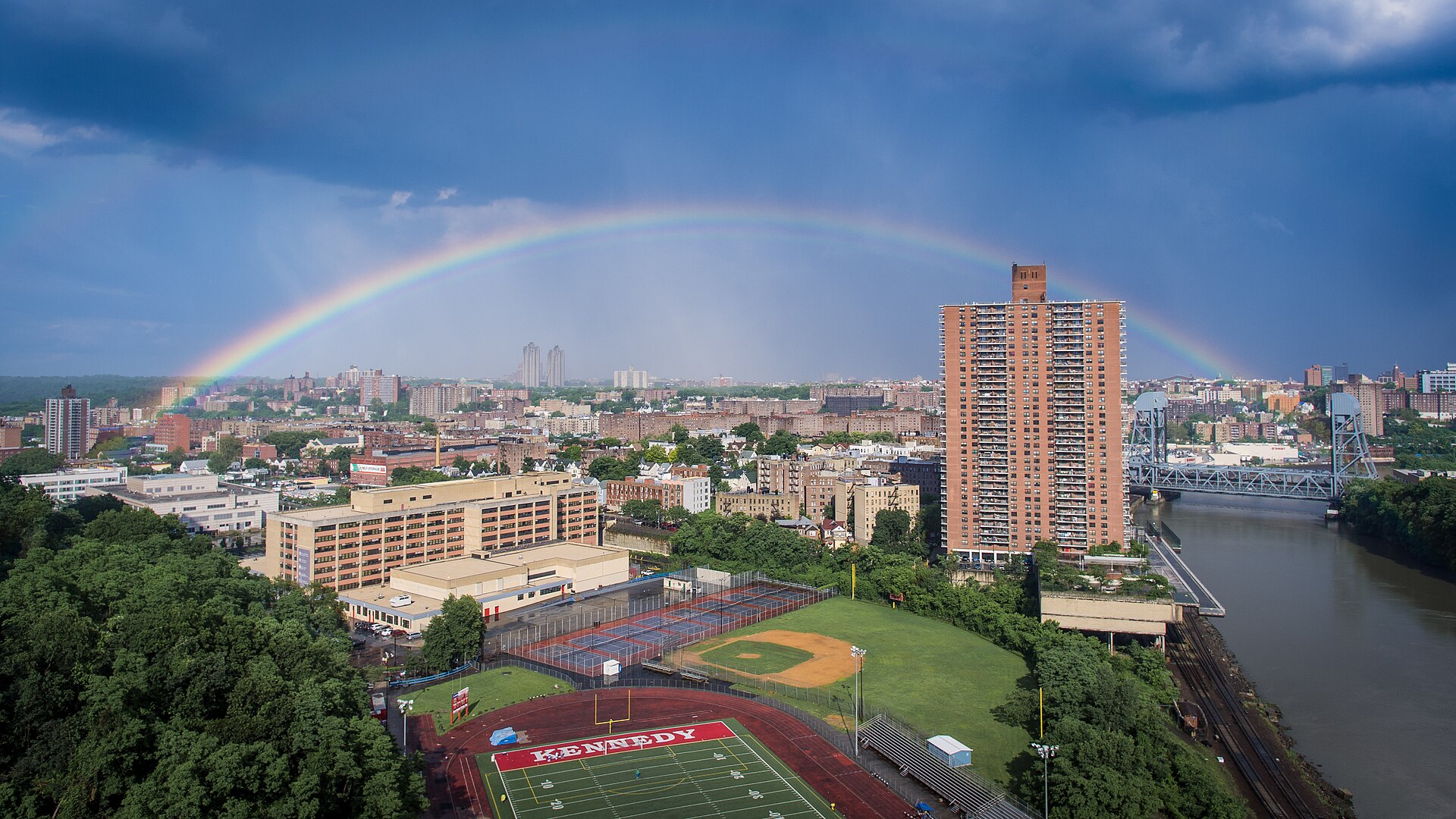
On Oct. 8, an ICE agent shot Oscar Belgal in Marble Hill while his 5-year-old son sat in the back seat of the car, according to TIME and court filings. His lawyers said a bullet is still lodged in his neck. Mamdani said he spoke with President Trump and demanded an end to ICE enforcement in the city. Homeland Security Secretary Markwayne Mullin accused the mayor of "inciting hostilities."
- July 2025DOJ sues New York CityThe lawsuit names the city and then-Mayor Eric Adams.
- Jan. 1, 2026Mamdani takes office
- Oct. 8, 2026ICE shooting in Marble HillAn ICE agent shoots Oscar Belgal while his young son is in the car.
- Oct. 15, 2026Lawsuit dismissedJudge Ramon Reyes rules the government lacked a valid basis to sue.
- Oct. 16, 2026Parking lot letterMamdani and more than 100 officials urge private lot owners not to host ICE staging areas.
A day after the ruling, Mamdani and more than 100 elected officials, including Senate Minority Leader Chuck Schumer and House Minority Leader Hakeem Jeffries, asked private parking lot owners not to "rent, lend or otherwise make your property available to ICE as a staging area," The Hill reported.
Part of a National Pattern
New York isn't the only city to win. A federal judge in Chicago dismissed a similar Trump administration lawsuit against that city's sanctuary policies in 2025. The administration has also sued Los Angeles and several New Jersey cities. The New York decision doesn't end the broader legal fight, and the government could appeal.
FAQ
What are New York City's sanctuary laws?
They're city rules, some dating to the 1980s, that limit how city agencies help federal civil immigration enforcement. They include limits on holding people for ICE and on sharing custody information.
Who dismissed the lawsuit?
U.S. District Judge Ramon Reyes Jr. of the Eastern District of New York, sitting in Brooklyn, on Oct. 15, 2026.
Why did the judge throw the case out?
He found the federal government lacked standing. State law already bars local officers from making civil immigration arrests without judicial authorization, and federal law doesn't require cities to share release dates or custody information.
Can the Trump administration appeal?
Yes. The government can appeal to the U.S. Court of Appeals for the Second Circuit. It hasn't publicly announced its next step.