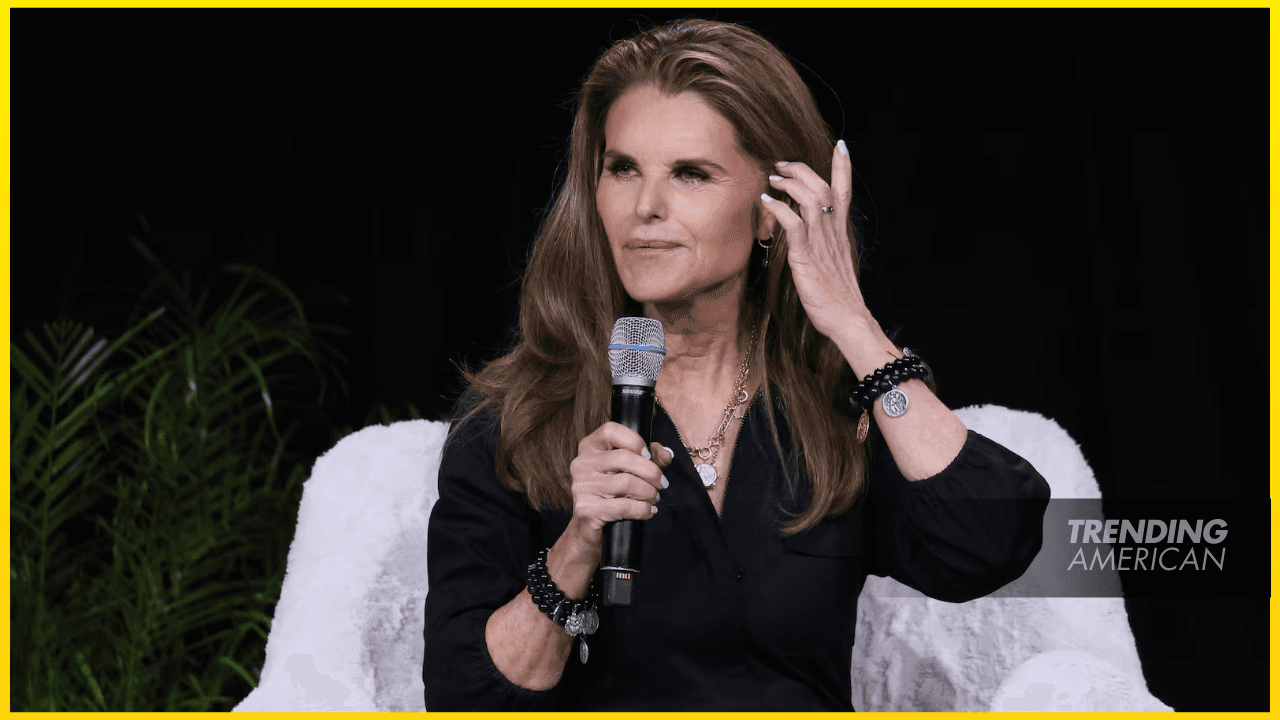
On a quiet December morning, Maria Shriver, John F. Kennedy’s niece, posted a short Instagram video condemning remarks about director Rob Reiner’s death and urging a calmer tone from the White House and Trump’s allies. The post marks one of the latest moments in a broader debate over civility in political discourse as the 2025 political cycle intensifies.
The Daily Beast coverage frames the moment as a direct response to Donald Trump’s comments about Rob Reiner, with the former president employing a divisive tone that has sparked backlash across political and cultural circles. The reporting notes Trump’s dismissal of Reiner and references a controversial line of argument surrounding the actor-director’s death, including Trump’s use of the phrase Trump Derangement Syndrome (TDS) to describe critics who oppose him.
Shriver’s message was explicit. In the video, she told Trump’s inner circle to “put him in a time-out” and urged them to curb a rhetoric she called petty and divisive. She argued that the presidency comes with a responsibility to avoid personal attacks on private individuals and families, especially in moments of grief or tragedy.
The piece, updated on December 16, 2025, notes that Shriver’s post arrived alongside a wave of online and media coverage. The White House did not offer an immediate comment in the reporting, and coverage extended to other outlets such as The Hill and People.com, which carried related pieces about Shriver’s stance and reactions from various figures in politics and media.
Why this matters, the article suggests, is not simply the words themselves but what they symbolize about public discourse in a time of polarization. Shriver frames the moment as a test of civility and presidential accountability, arguing that the country deserves leadership that balances disagreement with a shared sense of decency and respect for individuals and families affected by public conflict.
As the conversation continues, observers will watch to see whether political leaders respond with measured rhetoric and a renewed emphasis on norms that guard civil discourse, especially when personal stakes are high.