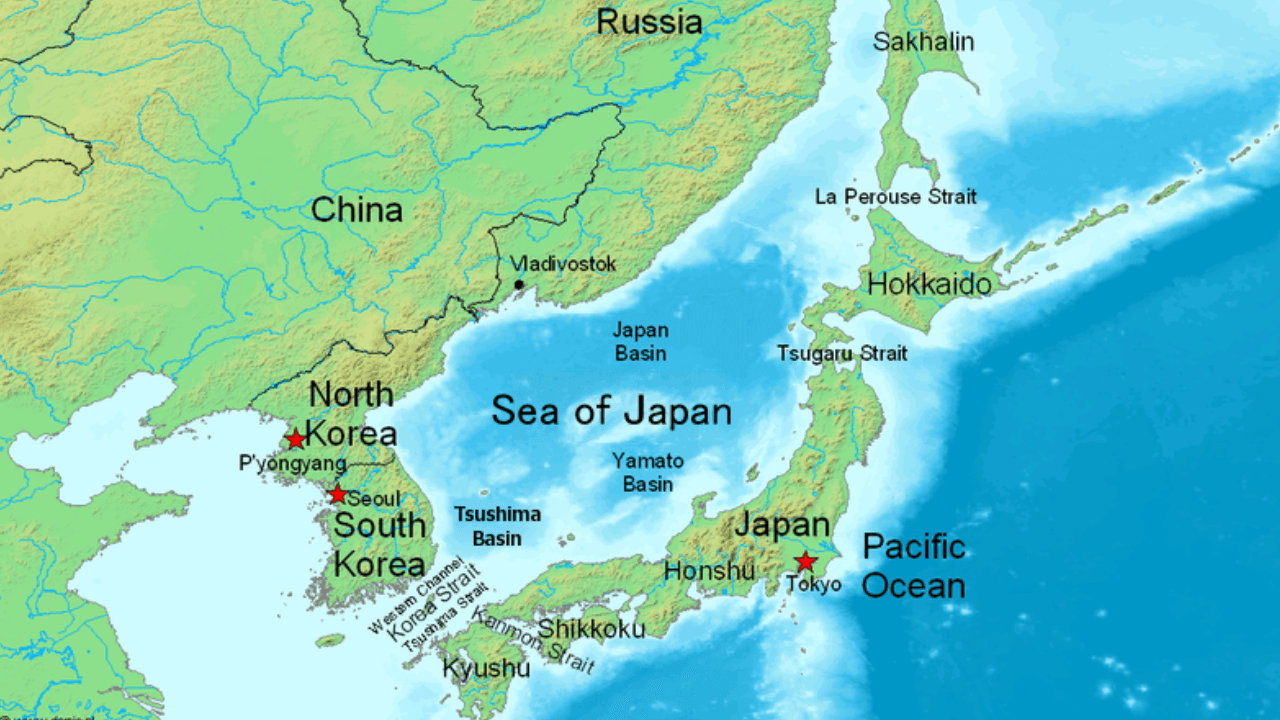
Japan is urging residents to stay alert after a strong magnitude 7.5 earthquake hit its northern coast Monday night. The advisory has drawn national attention because officials say the next week will be critical for monitoring potential aftershocks and a possible larger quake.
Strong shaking reported in multiple prefectures
The quake struck off Aomori Prefecture at 11:15 p.m. local time at a depth of 54 kilometers. The city of Hachinohe recorded powerful shaking measured at an upper 6 on the country’s intensity scale. According to regional reports, 33 injuries were confirmed by Tuesday evening.
Major outlets including Reuters and The New York Times have documented how northern communities were rattled by the overnight shaking and emergency sirens.
Tsunami warnings issued then lifted
Authorities briefly issued tsunami warnings for Aomori, Iwate and Hokkaido before downgrading the alerts to advisories. Water surges of up to 70 centimeters were recorded in several areas. All warnings were lifted by early Tuesday morning.
The quake generated what officials called long period ground motion, slow waves that sway high rise buildings and make it difficult for people to remain steady. Residents in tall structures described uneven movement and anxiety as alarms sounded.
First mega quake advisory for this region
Japan’s Meteorological Agency issued a rare advisory for the possibility of a magnitude 8 or higher quake along offshore trench systems stretching from Hokkaido to Chiba Prefecture. The warning category was created in 2022, making this the first time it has been applied to the region.
Officials emphasized that this does not predict a major quake but acknowledges increased risk. Cabinet Office disaster director Morikubo Tsukasa explained that global data trends suggest there is a possibility of a larger tremor.
Public urged to prepare but not evacuate
Authorities advised residents to secure furniture, plan evacuation routes, and prepare emergency kits with food, water and portable toilets. They stressed that no evacuation orders have been issued, but people should remain cautious through next week.
Japan regularly conducts disaster planning because of its position along active seismic zones. Emergency guides, preparedness checklists and public updates are available through official channels at the government’s website and meteorological agency portals.
For now, residents are monitoring conditions while engineers inspect buildings and infrastructure for damage. The advisory remains in place as scientists continue tracking seismic activity off the northern coast.