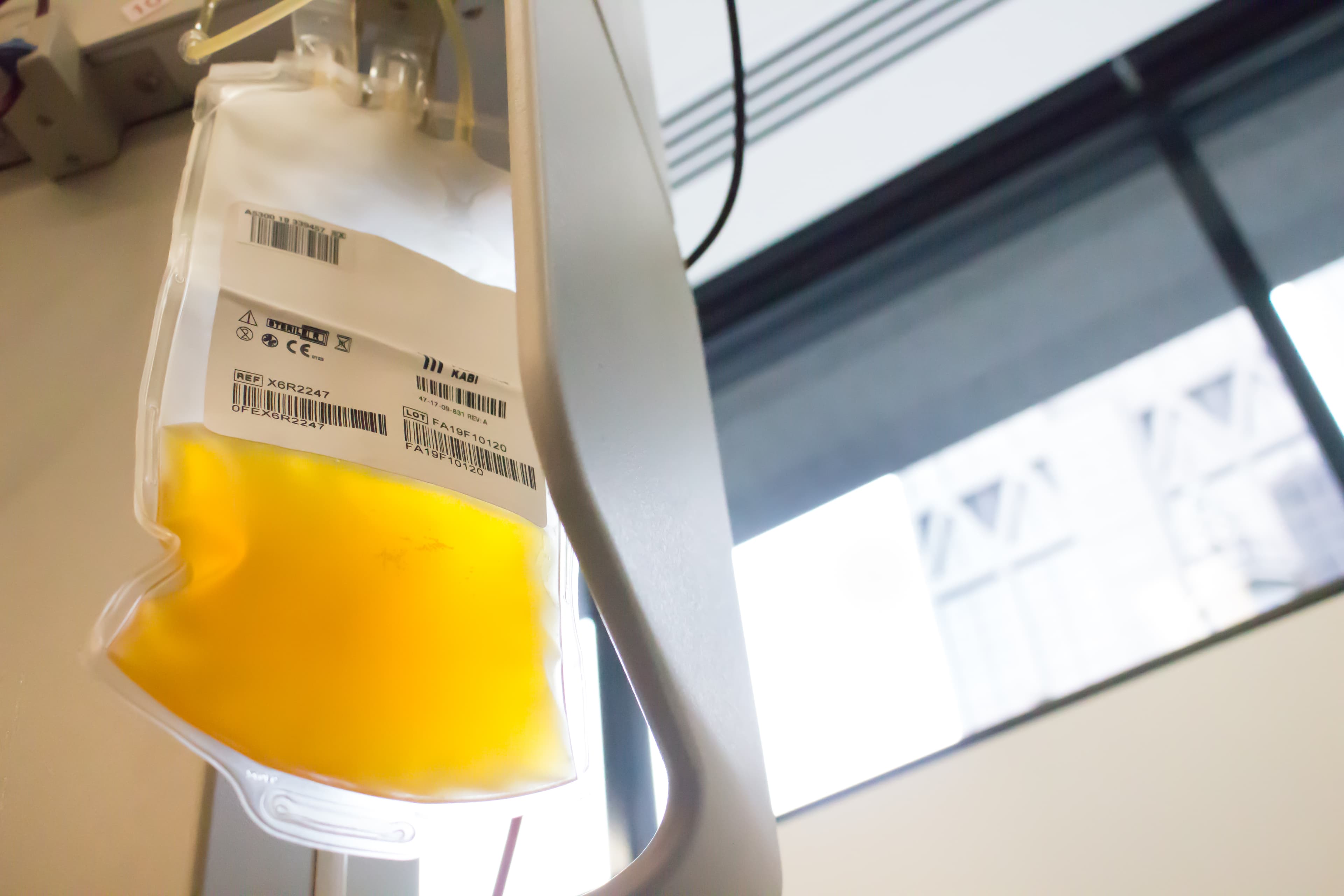
James Harrison made 1,173 blood and plasma donations during his lifetime. Australian Red Cross Lifeblood credits his contribution with helping save an estimated 2.4 million Australian babies.
Known as the “Man With the Golden Arm,” he supplied something precious: plasma containing anti-D antibodies, used to manufacture medication that helps protect babies during pregnancy.
Harrison died on February 17, 2025, aged 88. His legacy grew from a promise he kept for decades. Read Lifeblood’s tribute.
A promise made after receiving blood himself
When Harrison was 14, major chest surgery left him dependent on blood transfusions. Strangers had helped save his life, and he decided that he would donate when he was old enough.
He began giving blood at 18, despite disliking needles. More than a decade later, doctors identified the useful antibody in his blood. He switched to plasma donation to support the anti-D program.
His final donation took place on May 11, 2018, when he was 81. In 1999, he had received the Medal of the Order of Australia for his contribution. Lifeblood’s biography recounts his donation journey.
Why anti-D matters
The science behind his contribution concerns a difference between a pregnant woman’s blood and her baby’s.
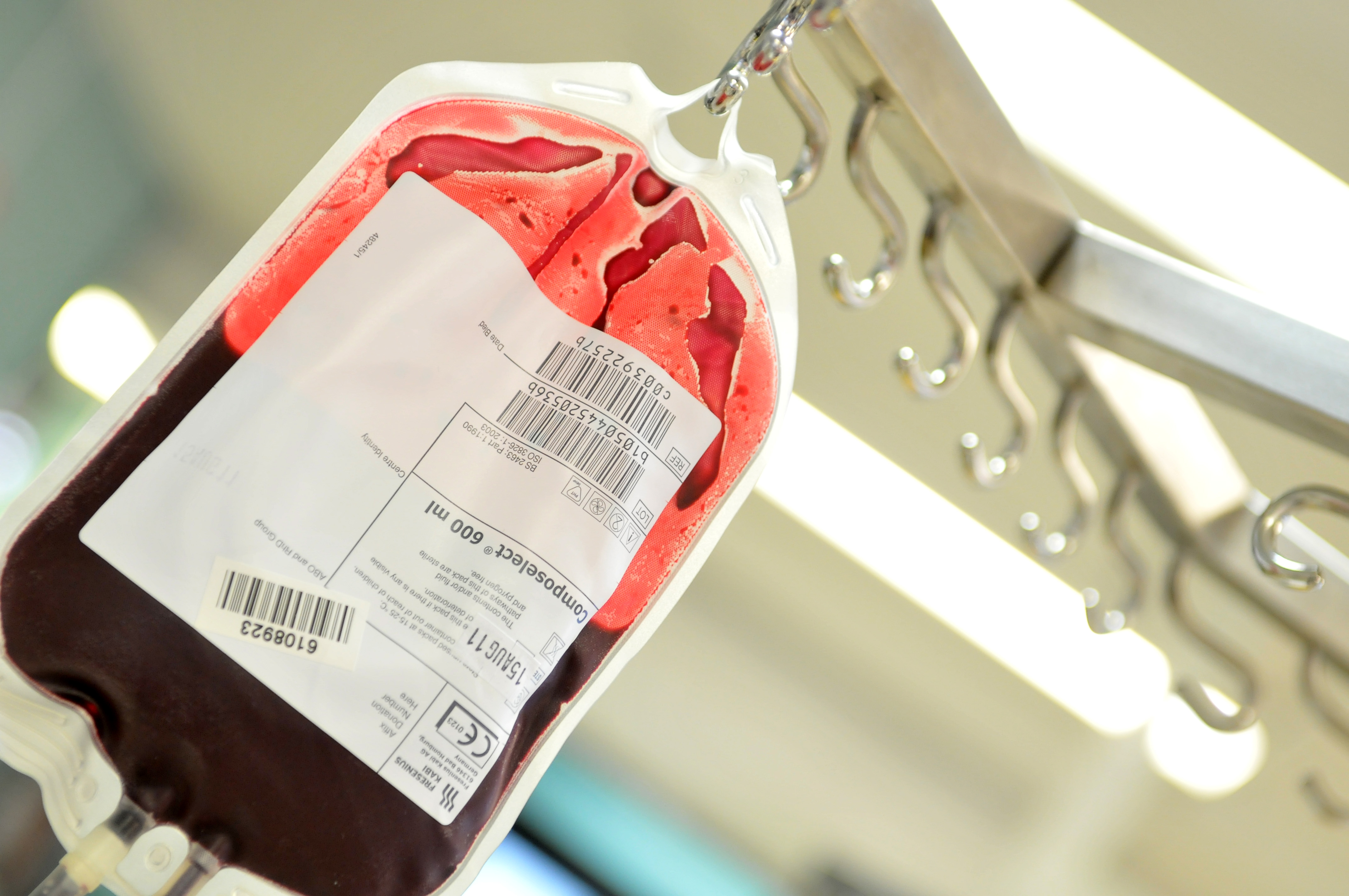
When a woman has RhD-negative blood and her baby has RhD-positive blood, exposure to the baby’s red blood cells can cause her immune system to form antibodies against them. Those antibodies can put a later RhD-positive pregnancy at risk.
The resulting condition, haemolytic disease of the fetus and newborn, can destroy a baby’s red blood cells and cause serious, sometimes fatal harm.
Anti-D immunoglobulin helps prevent the mother from developing that immune response. It is a preventive medicine rather than a direct transfusion of Harrison’s blood into each baby. Australia’s National Health and Medical Research Council explains how the treatment, screening and clinical care transformed outcomes. Read the NHMRC history of rhesus immunisation.
What the 2.4 million estimate means
The widely reported figure is Lifeblood’s estimate of the reach of Harrison’s contribution to the anti-D program. His donations were part of a wider effort involving other donors, researchers, medicine manufacturers and medical teams.
Lifeblood says more than three million doses of anti-D containing his donated material were issued to Australian mothers from 1967 onward. The number of doses and the estimated number of babies helped describe different measures of that contribution. See Lifeblood’s account of the program.
The benefit also reached his own family. His daughter, Tracey Mellowship, received anti-D herself, Lifeblood noted in its tribute.
A legacy built by returning
Harrison’s story is remarkable for its repetition: making time to donate, then doing so again.
His generosity was recognized around the world, but Lifeblood said he considered other donors’ contributions just as important as his own. He hoped someone in Australia would eventually surpass his donation record.
The nickname celebrated a rare antibody. The lasting example was a man who kept showing up.
Image credits
The featured and body photographs are supplied through Australian Red Cross Lifeblood’s image and video library, which its media centre offers for reports, stories and media content. Credit: Australian Red Cross Lifeblood. These are representative blood-service photographs, not portraits of Harrison or images identified as his donations.