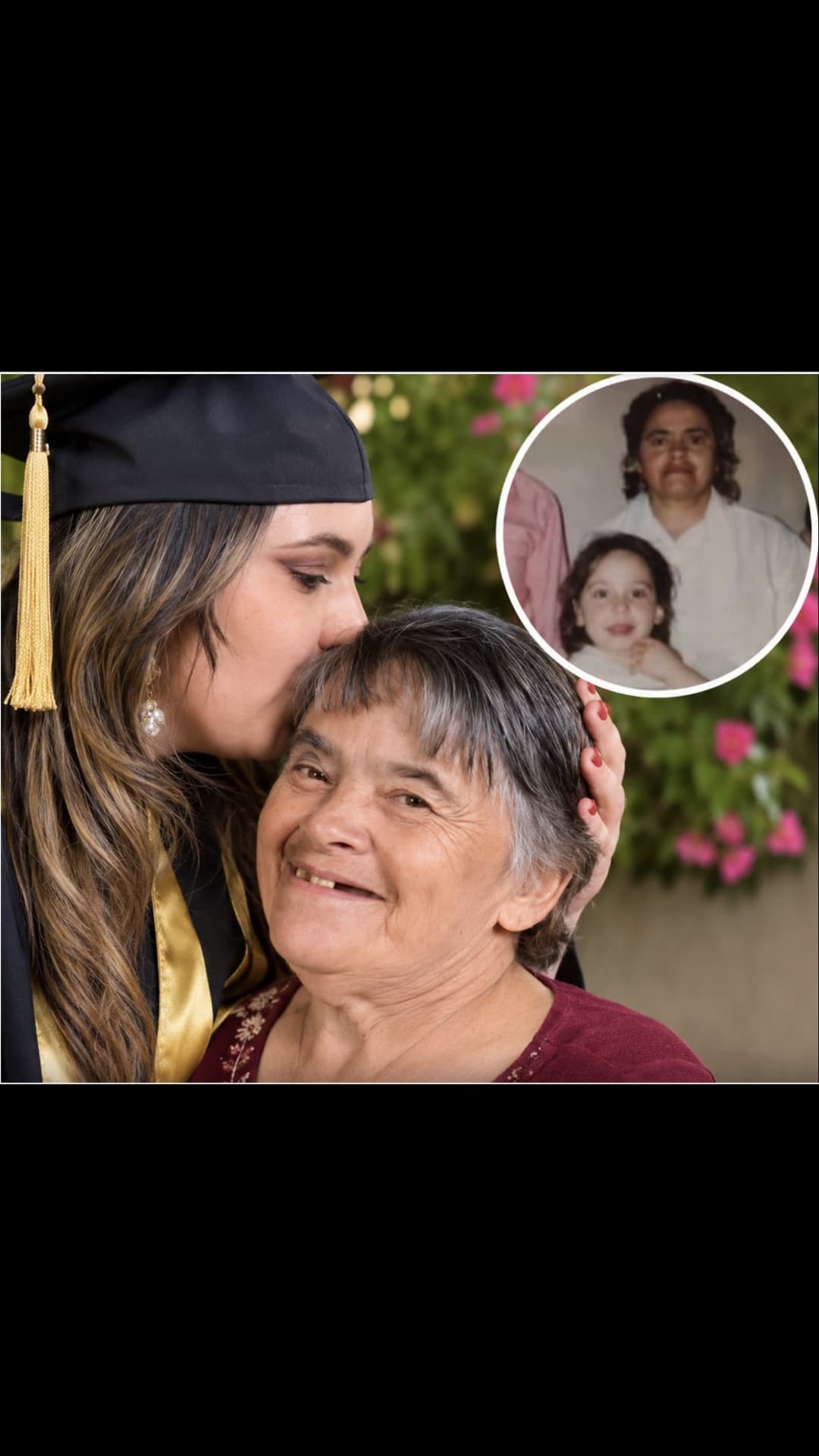
When Cristinna Maria da Silva graduated in administration, her mother’s broad smile became a memorable part of the family photographs.
Izabel Rodrigues, who has Down syndrome, had raised her daughter despite relatives questioning her ability to become a parent. Their story was documented in a BBC News Brasil profile republished by Terra in November 2019.
A family milestone, with an important date
Izabel was described as 66 and Cristinna as 29 in that 2019 report. Those ages belong to the original coverage and should not be presented as their current ages.
The family lived in Morrinhos, in Brazil’s Goiás state. Izabel’s husband, José Ribeiro, also celebrated their daughter’s achievement. The story describes a family’s shared accomplishment, rather than suggesting Cristinna grew up without support from anyone else.
Cristinna recalled a mother who was affectionate and attentive. The graduation gave the family a public occasion to celebrate a relationship that had long existed beyond other people’s assumptions.
Seeing the person behind an expectation
A later profile republished in 2024 described Izabel as a grandmother and discussed the late recognition of her condition.
That follow-up reinforces the broader point of the original story: her life included marriage, parenting and grandparenting, while people around her sometimes reduced her possibilities to a diagnosis.
One family’s experience should not be used to prescribe what every person with Down syndrome can or should do. Its significance lies in listening to Izabel and Cristinna’s own account. For this mother and daughter, the graduation photographs record a concrete achievement and the affection behind it.