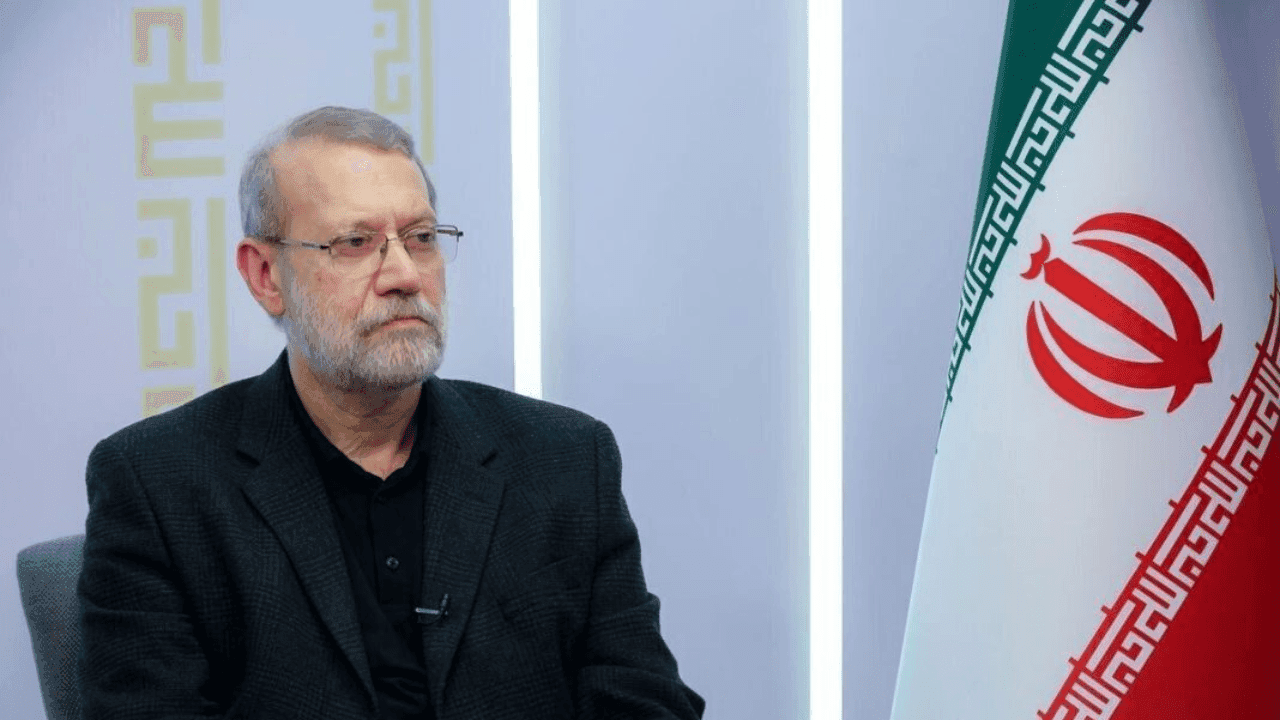
In the midst of tense geopolitical currents, Iran finds itself at a critical juncture. An adviser to Iran’s Supreme Leader recently remarked that the nation might consider acquiring nuclear weapons if faced with an attack by the United States or its allies. This statement emerged in the aftermath of renewed threats from US President Donald Trump, who has ratcheted up his confrontational rhetoric, warning of possible bombings if Iran does not comply with U.S. demands for a nuclear agreement.
Ali Larijani, an influential adviser to Ayatollah Ali Khamenei, emphasized in an interview with Iranian state television that Iran currently has no intention of developing nuclear arms. However, Larijani issued a stern caution, stating that aggressive actions concerning Iran’s nuclear program might compel the country to reassess its stance in the interest of self-defens.
This declaration highlights the intricate dynamics of the ongoing tensions between Iran and Western nations, notably the United States. Since the dissolving of the 2015 nuclear deal under Trump’s administration, which initially curtailed Iran’s nuclear capabilities in exchange for sanctions relief, both nations have escalated their threats. Iran has repeatedly asserted that its nuclear ambitions are strictly peaceful. However, it continues to advance its nuclear program with uranium enrichment levels approaching weapons-grade.
From a strategic standpoint, the possibility of Iran pursuing nuclear weapons poses a multitude of implications. It could lead to a nuclear arms race in the Middle East and further destabilize an already volatile region. Experts warn that such a shift in Iran’s policy could exacerbate existing tensions with Western countries and intensify the geopolitical chess game being played out with Israel.
In the backdrop of these developments, there lies a historical context of strained relationships. Once a close ally of the US, Iran’s relations soured post-1979 Islamic Revolution. This pivotal moment, coupled with the US’s siding with Iraq in the Iran-Iraq War, fosters enduring mistrust.
The unfolding scenario is reminiscent of past geopolitical standoffs, prompting discussions around what is popularly referred to as a ‘curiosity gap.’ At its core, it deals with how the international community might respond if Iran decisively shifts towards weaponization. Will diplomatic channels offer a resolution, or will global powers brace for an unprecedented confrontation?.
In weaving through this complex narrative, what becomes evident is the global stakes involved. As Larijani hinted, any military provocation or escalatory steps could fundamentally alter the region’s security landscape. Iran’s nuclear narrative is not merely a regional issue but a complex global challenge requiring nuanced understanding and strategic diplomacy.
As these events continue to evolve, analysts caution on the importance of viewing the situation not in black-and-white terms but through a broader lens of historical influences and political motivations. The ramifications of misjudged policy actions could indeed have long-lasting impacts not just on Iran and the US, but across the world.