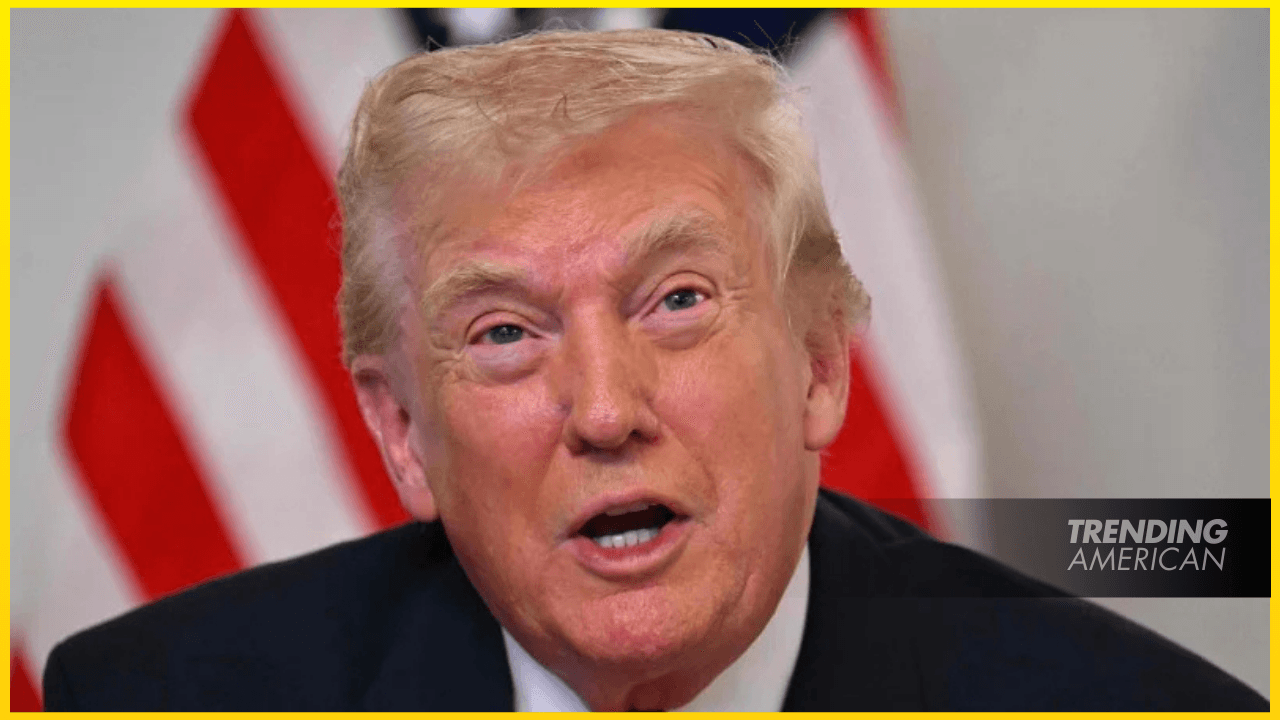
At the White House on December 3, 2025, President Donald J. Trump announced a reset of the Corporate Average Fuel Economy (CAFE) standards, framing the move as a win for consumers: cars would be cheaper upfront as the government rolls back stringent efficiency targets. The administration said it would roll back Biden-era standards to the 2022 baseline, with a 0.5% annual improvement thereafter, eliminate certain penalties tied to noncompliance, and begin a public-comment process before finalizing the rule.
Support for the rollback comes from the Trump administration and some automakers who argue the change aligns fuel-economy regulations with market realities and would help bring sticker prices down. Critics, including consumer advocates and some analysts, warn that weakening efficiency incentives could raise total ownership costs over a vehicle’s life and increase emissions.
Trump claimed the rollback would save money by making cars cheaper to buy, a point echoed by supporters. Analysts cited by outlets such as Politico and the Associated Press, however, have questioned the magnitude and reliability of any savings, noting potential higher fuel costs if vehicles burn more fuel over time. Reuters reported that the plan could revise the 2022 standards and then increase them gradually, signaling a long-run tradeoff between initial price and operating costs.
Timeline and process matter here. The White House’s plan specifies a public-comment period after December 2025, with a final rule to be determined after review of feedback from industry, consumer groups, and other stakeholders. The policy sits within a broader battleground over EV mandates, tailpipe rules, and tax incentives for electric vehicles, with critics arguing that rolling back CAFE could undermine climate goals and reduce market signals for efficiency.
In the broader debate on emissions and vehicle technology, supporters argue that resetting the rules to market realities could lower upfront costs for consumers and spur broader auto sales, while opponents warn the change may lock in higher fuel consumption and more pollution over time. As the public-comment period unfolds, economists, consumer groups, and industry players will weigh whether the proposed path serves consumers in the near term or undermines decades of progress toward cleaner cars.
Disclosure: We may earn a commission when you make a purchase through the ads.