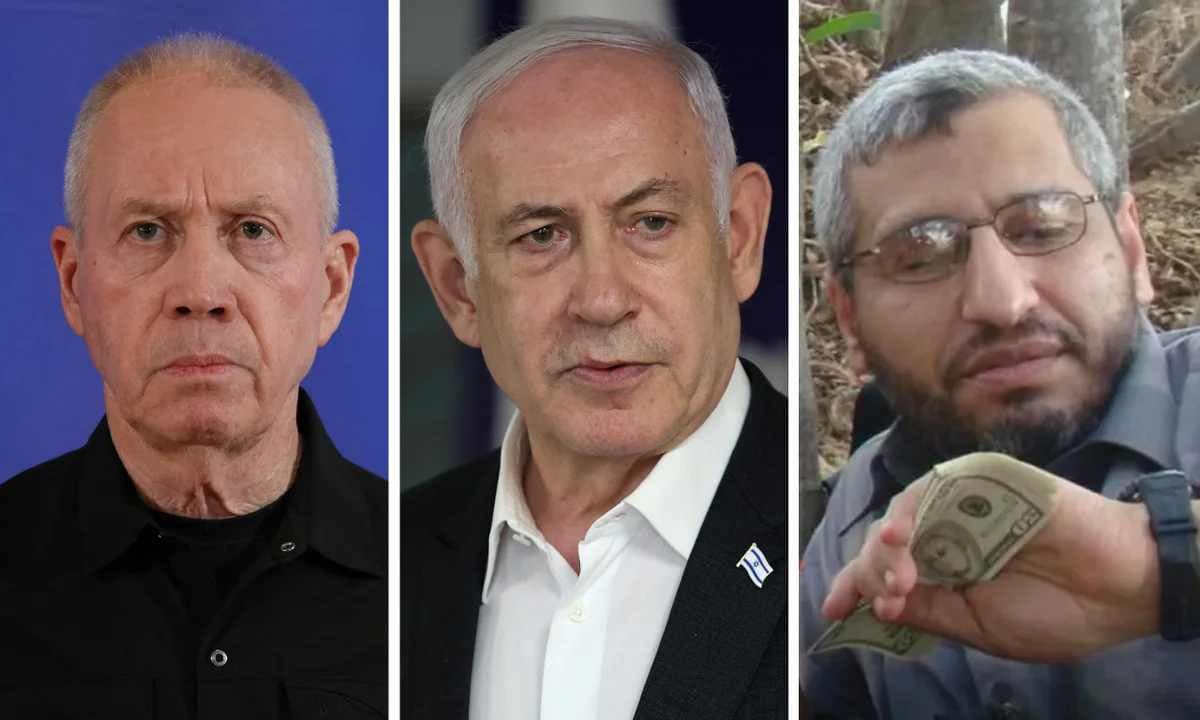
In a historic decision, the International Criminal Court (ICC) has issued arrest warrants for Israeli Prime Minister Benjamin Netanyahu, former Defense Minister Yoav Gallant, and Hamas commander Ibrahim Al-Masri. These charges stem from alleged “crimes against humanity” and war crimes committed during the ongoing Israel–Hamas conflict.
As of November 5, 2024, the devastating toll of this war includes approximately 45,000 lives lost. 43,391 Palestinians and 1,706 Israelis. The war has caused widespread destruction, displacing nearly all of Gaza’s population and sparking an international outcry.
The ICC Arrest Warrants
Charges Against Netanyahu and Gallant
The ICC accused Netanyahu and Gallant of using starvation as a weapon. According to the allegations he has deliberately deprived Gaza’s civilians of essential supplies, such as food, water, electricity, and medical care. According to the ICC, these actions led to severe malnutrition, dehydration, and preventable deaths, especially among children.
Netanyahu and Gallant are also charged with targeting civilians during military operations, violating international humanitarian law. The ICC specifically cited their roles in blocking humanitarian aid and impeding relief efforts.
Charges Against Al-Masri
Hamas commander Ibrahim Al-Masri, also known as Mohammed Deif, faces charges of mass killings, rape, and hostage-taking during the October 7, 2023, attacks on Israel. While Israel claims to have killed Al-Masri in a July airstrike, Hamas has not confirmed his death. The ICC has stated it will continue investigating his status.
Reactions to the ICC Decision
The ICC’s decision has elicited strong reactions globally:
- Netanyahu’s Office: Dismissed the charges as “antisemitic,” with Netanyahu vowing to continue Israel’s war objectives.
- Hamas: Welcomed the arrest warrants, calling them a significant step toward justice for Gaza’s victims. A Hamas spokesperson said, “Now they can’t travel; now they are being hunted.”
- International Community: The European Union urged compliance with the ICC’s orders, while Israel’s Foreign Minister Gideon Saar called the decision “absurd.” The U.S., not a member of the ICC, rejected the move as flawed, citing “process errors.”
- Public Voices: Gaza residents like Shaban Abed, displaced by the conflict, called the decision “late, but never too late.”
The Israel–Hamas War
Background of the Conflict
The current war began on October 7, 2023, when Hamas launched a large-scale attack on southern Israel, killing over 1,200 people and taking more than 250 hostages. Israel retaliated with intense military operations in Gaza, escalating into a prolonged and devastating conflict.
Casualty Statistics
The war has claimed over 45,000 lives, with Palestinians bearing the brunt of the casualties. Among the dead are journalists, academics, and humanitarian workers, including 179 employees of the United Nations Relief and Works Agency (UNRWA).
The Gaza Health Ministry reported that 70% of Palestinian deaths are women and children. Additionally, malnutrition, disease, and a lack of medical care have caused thousands of indirect deaths.
The ICC’s Decision
Legal Basis for the Arrest Warrants
The ICC based its jurisdiction on Palestine’s recognition of the court and its status as a High Contracting Party to the Geneva Conventions. The charges include:
- War Crimes: Starvation, targeting civilians, and blocking humanitarian aid.
- Crimes Against Humanity: Murder, persecution, and inhumane treatment, such as forcing doctors to perform surgeries without proper medical supplies.
Limitations and Enforcement
The ICC lacks a police force, relying on its 124 member states to enforce arrest warrants. Many key global players, including Israel, the U.S., Russia, and China, do not recognize the court’s jurisdiction, complicating enforcement efforts.
Humanitarian Crisis in Gaza
Impact of the Blockade
The blockade of Gaza has created dire conditions for its civilian population. Restricted access to food, water, and medical supplies has led to widespread malnutrition, dehydration, and preventable deaths. Reports from aid organizations reveal that hospitals are unable to function due to a lack of fuel and essential medical equipment.
Survivor Accounts
Displaced residents like Rabeeha, a mother of five, shared harrowing stories of suffering and loss. She expressed hope for justice, saying, “I hope we can soon see Netanyahu and the criminal Gallant in jail.”
Broader Implications for International Law
Significance of the ICC’s Action
This case marks a significant precedent for accountability in international conflicts. However, it has also sparked debates about the ICC’s perceived biases and procedural shortcomings.
Criticisms and Challenges
Israel and its allies, including the U.S., have heavily criticized the ICC, questioning its legitimacy and authority. Republican Senator Lindsey Graham labeled the court a “dangerous joke,” calling for U.S. sanctions against it.
Next Steps
The ICC must navigate political and diplomatic hurdles to enforce its decision. Advocacy groups and civil society organizations will likely play a critical role in pushing for accountability and justice.
Conclusion
The ICC’s arrest warrants against Netanyahu, Gallant, and Al-Masri have brought global attention to the devastating impact of the Israel–Hamas conflict. While reactions remain deeply divided, the decision underscores the importance of addressing the root causes of the war and holding leaders accountable for their actions.
Also read,