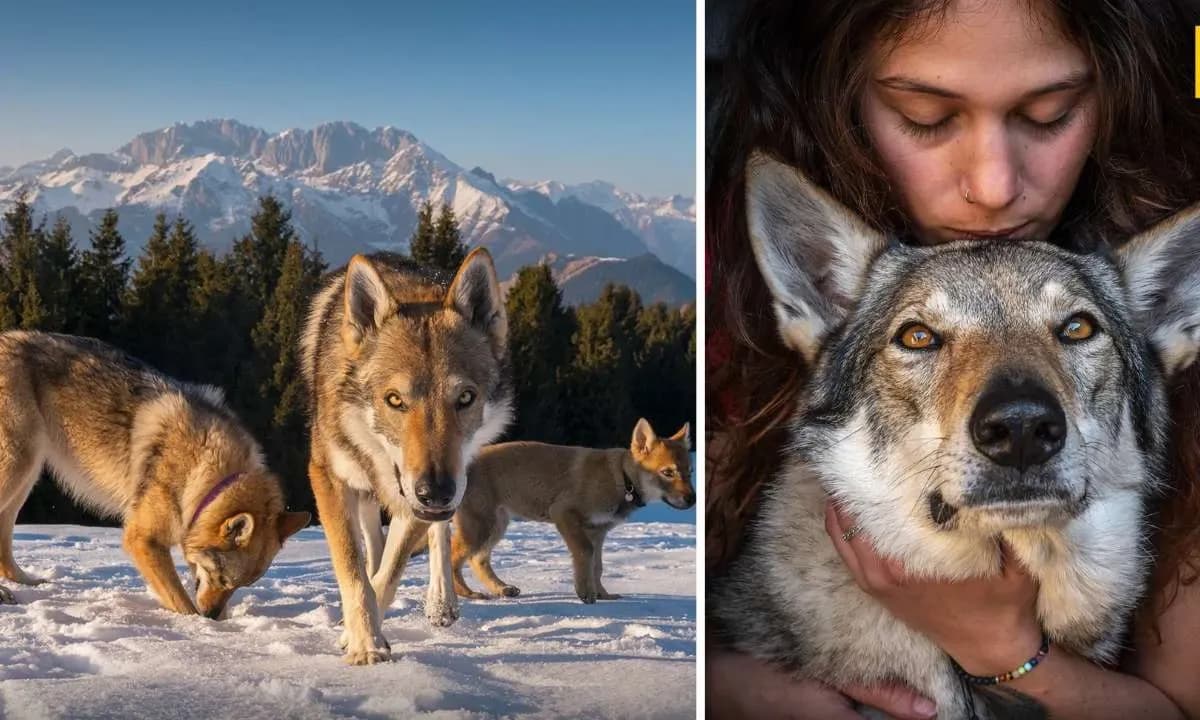
In 2006, after the death of his German shepherd, an Italian construction worker named Alessio Camatta went searching for a new companion. He found one online: a Czechoslovakian wolfdog puppy. For €800, he brought home Uma, not realizing he had stepped into one of the most controversial corners of the dog world. Within years, Camatta not only owned several wolfdogs but also became a breeder, part of a booming market across Europe that now sells thousands of these animals every year.
Unleash The Power Of Your Story
Just like these hybrid war dogs, your story deserves to make a strong impact. Share it across trusted networks with 24-7 Press Release.
Boost My News Now → Featured partner: 24-7PressRelease.comThe Czechoslovakian wolfdog is no ordinary dog. The breed began as a Cold War military experiment in 1955, when colonel Karel Hartl crossed German shepherds with Carpathian gray wolves in Czechoslovakia. The goal was to combine the wolf’s stamina, night vision, and strength with the shepherd’s trainability and loyalty.
By the 1980s, the animals were recognized as a national breed, later gaining international recognition. They were used for border patrol, rescue work, and even search and agility sports. Today, however, their role has shifted. Fueled by social media and pop culture—especially Game of Thrones, which used wolfdogs to portray direwolves—the animals are now being marketed as exotic pets.
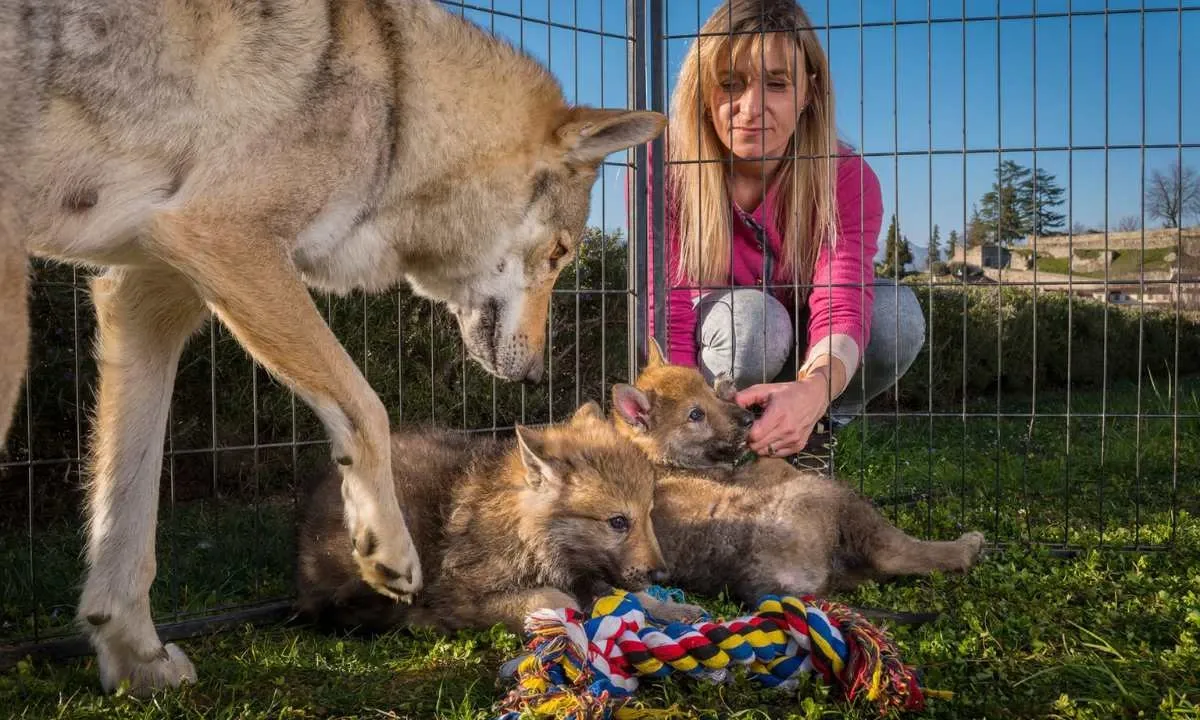
The demand is striking. In Italy, the price for a single Czechoslovakian wolfdog has climbed to nearly €2,000, and Camatta estimates more than a thousand are sold there each year. Across Europe, breeders have multiplied, and some, like Camatta, insist on careful regulation, documenting wolf DNA percentages around 30 percent to balance wolf-like appearance with dog-like manageability.
Reader OfferDecode Your Health. Act With Confidence.
Stories of hybrid war dogs remind us how powerful DNA can be. Get fast, physician-reviewed lab tests from home and understand what your body is signaling—on your terms.
Check Available Tests HealthLabs • Fast results • No waiting roomsYet alongside this legitimate trade, an illegal shadow market thrives. In 2017, Italian authorities seized more than 200 hybrids, many of them smuggled from the Balkans or North America, some testing at over 90 percent wolf DNA. Some were sold with false papers, while others were bred in backyards by people with little experience. The question often landed in court: was the animal a wolf or a dog? Sometimes, even experts admitted they couldn’t say for certain.
For owners, the animals are both breathtaking and difficult. They can weigh as much as a Great Dane, leap fences with ease, and retain the wolf’s skittish, independent instincts. Training must begin early, with constant socialization, because wolfdogs don’t naturally see humans as pack leaders. Breeders like Serena Balliana emphasize that the first weeks of life are critical; without structured care, the animals may develop anxiety or aggression.
Owners describe bonds that are profound but challenging. Some, like a family in northern Italy, say their wolfdog is like a brother to their children—protective and intuitive. Others, like caretakers in Canadian and U.S. sanctuaries, warn that the same instincts that make them majestic often make them unsuitable as pets.
In North America, tens of thousands of wolfdogs live in captivity—more than the continent’s wild wolf population. They are easy to buy, often with no special permits. Sanctuaries like Yamnuska in Alberta or Mission:Wolf in Colorado receive constant calls from overwhelmed owners once their wolfdog reaches two or three years old. At that age, the dogs often become restless, assertive, and too difficult for most households.
“They don’t want to be in your house. That’s terrifying for them. Even walking on a leash removes their ability to flee.”
says Alyx Harris of Yamnuska.
Between 1978 and 2023, wolfdogs were linked to more than 20 recorded fatalities in the U.S., though such attacks remain rare. One case in Italy, in 2018, saw a 74-year-old woman mauled to death by her daughter’s five wolfdogs kept in a cramped apartment.
The challenges extend beyond human homes. Conservationists in Europe warn that as domesticated wolfdogs escape or as rural guard dogs mix with wild packs, wolves risk losing their genetic integrity. In parts of Italy and Croatia, studies show that 50 to 80 percent of wolves carry dog DNA.
Some scientists fear these hybrids could grow more comfortable around people, undermining both conservation and public safety. In Slovenia, when a hybrid crossed the border in 2021, authorities immediately killed it and its offspring, fearing the spread of what they called “hybrid swarms.”

This debate raises uncomfortable questions. What makes a wolf, a wolf? Wolves, dogs, and jackals have interbred for thousands of years, blurring the boundaries. Some researchers, like zoologist Luigi Boitani, argue that hybridization caused by humans is a form of extinction—a loss of pure evolutionary history.
Others, like sanctuary workers, insist that hybrids have a right to live, since they did not choose to be bred. Meanwhile, policies remain inconsistent. A 96 percent wolf hybrid in Italy may be legally returned to its owner, while a similar animal in the wild might be culled.
What is clear is that wolfdogs embody a paradox. They are at once symbols of human fascination with the wild and victims of it. People are drawn to their beauty, size, and reputation, but many underestimate the responsibility required. They are not dogs in the traditional sense, nor are they wolves. They exist in between, carrying both sets of instincts in ways that challenge human expectations.
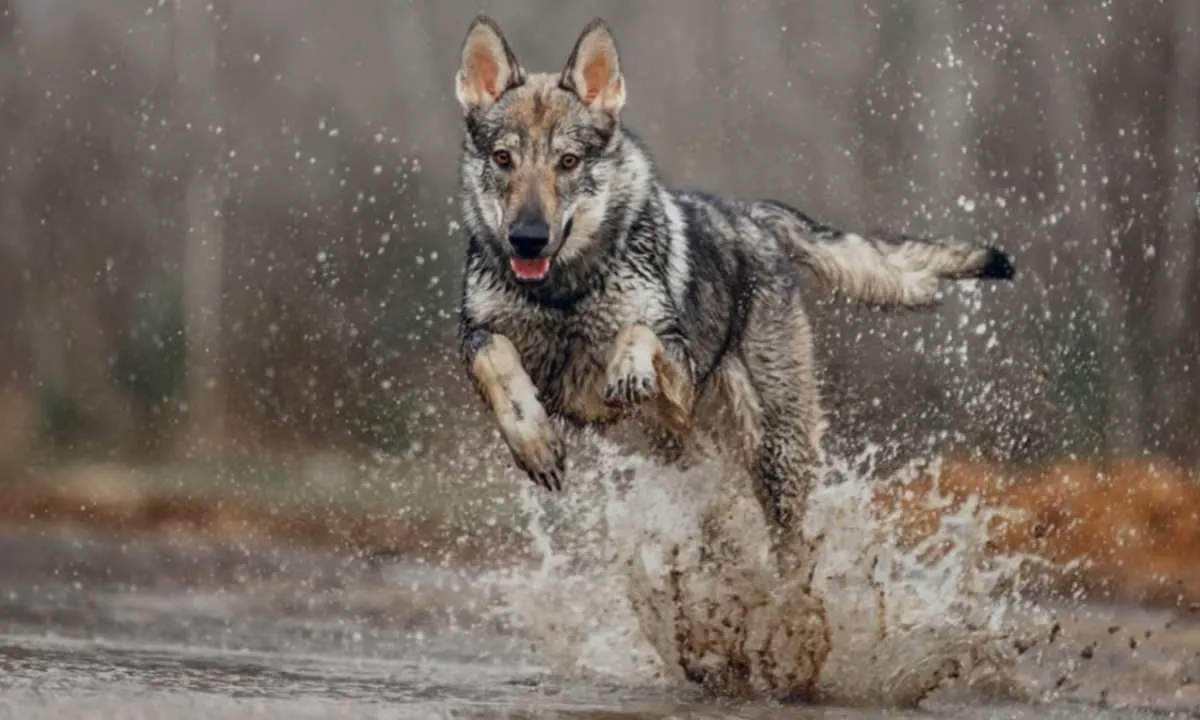
For some, the bond is worth every risk. Owners speak of deep companionship and of animals that mirror their own need for wilderness and freedom. For others, the story ends with surrendering the dog to a sanctuary, where it may live out its days in a more natural, open space. Conservationists, breeders, and sanctuaries all agree on one point: education is critical. Without it, both humans and wolfdogs will continue to pay the price.
And so the story circles back to the same unresolved question that began with one man’s purchase in 2006 and stretches across courtrooms, forests, and backyards: what truly makes a wolf, a wolf?
Disclosure: We may earn a commission when you make a purchase through the ads.