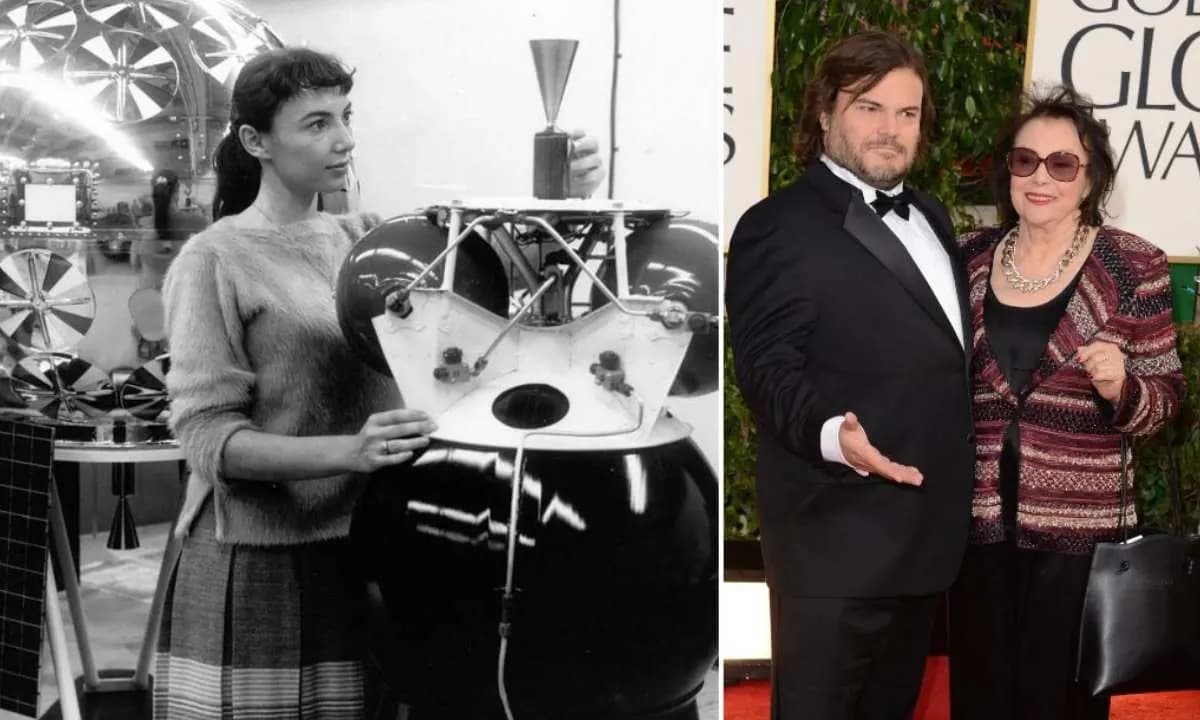
In 1969, a young aerospace engineer walked into her office one morning carrying more than just her work. Judith Love Cohen was heavily pregnant, but she wasn’t slowing down. That day, she picked up a computer printout of a complex engineering problem before heading to the hospital to give birth. While in labor, she calmly worked through the calculations, solved the issue, phoned her boss with the answer—and then delivered her son. That boy would grow up to be the actor and musician Jack Black.
Launch Your Story to the World
Just like Apollo 13 found hope in its darkest moment, your story deserves to be heard nationwide. Share it today and inspire thousands with the power of your voice.
Publish Your Story NowBut the problem she solved that day turned out to be far more than just another line of code. It was a vital piece of the Abort Guidance System, a backup computer system in NASA’s Apollo Lunar Module. Less than a year later, when disaster struck Apollo 13, her solution helped guide three stranded astronauts safely back to Earth.
Judith’s story is one of those rare intersections of human perseverance, science, and history where private and public lives collide in the most unexpected way.

Judith Love Cohen was born in Brooklyn, New York, in 1933 to a Jewish family. By fifth grade, she was already known for her sharp mind—her classmates even paid her to do their math homework. She often found herself the only girl in her math classes, but she never let that stop her. When her high-school guidance counselor suggested she go to “finishing school to learn to be a lady,” Judith ignored the advice. Instead, she pursued her love for mathematics and science.
At 19, she earned a scholarship to Brooklyn College to study math, but she soon realized her real passion was engineering. At the same time, she was dancing ballet with the Metropolitan Opera Ballet Company in New York—a rare balance of art and science in one life.
She later married fellow engineer Bernard Siegel and moved to California, working as a junior engineer at North American Aviation while studying at the University of Southern California at night. Judith completed both her bachelor’s and master’s degrees in engineering there, never once meeting another female engineering student during the entire journey. She became part of the less than one percent of women in the engineering workforce at the time.
Her career quickly took off. Judith worked on major projects including the Minuteman missile, the Hubble Space Telescope ground station, and the Tracking and Data Relay Satellite. But her most significant contribution came during her work on the Apollo program, when she helped design the Abort Guidance System (AGS) for the Lunar Module.
The AGS wasn’t the primary navigation system—it was a backup in case the main one failed. Most of the time, it wasn’t expected to be used. But in April 1970, Apollo 13 launched, aiming to become the third mission to land on the Moon. Two days into the mission, disaster struck: an oxygen tank in the service module exploded, crippling the spacecraft. The astronauts had to abandon their lunar landing and fight for survival.
With limited power and water, the primary system couldn’t be relied on. It was Judith’s Abort Guidance System that took over. It guided the Lunar Module during mid-course corrections and helped chart a safe return path back to Earth. Her son Neil later recalled that his mother considered her work on Apollo 13 to be the highlight of her career.
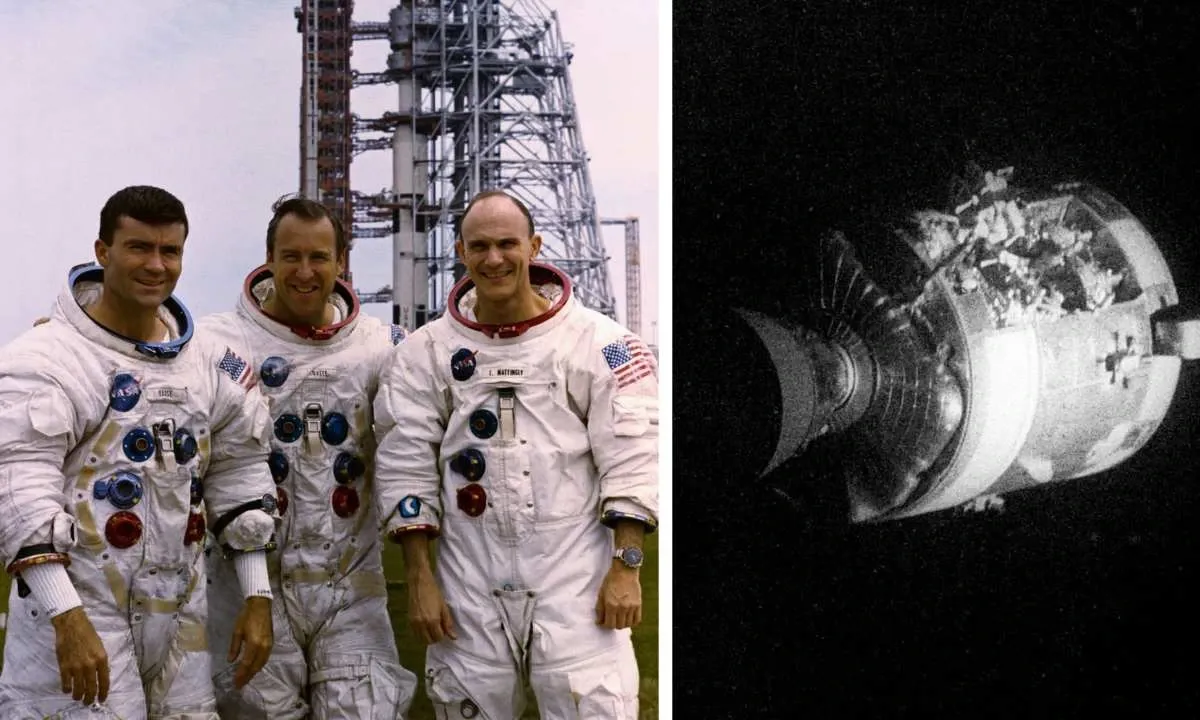
But the Apollo story is only half of Judith’s remarkable life. On August 28, 1969, months before the Apollo 13 accident, she was in labor with her fourth child. Before heading to the hospital, she stopped by her office to pick up her work. Even while preparing to deliver her baby, she focused on the calculations for the AGS. Later that day, she phoned her boss with the solution and then gave birth to Jack Black—the boy who would grow up to star in School of Rock, Kung Fu Panda, and front the Grammy-winning band Tenacious D.
Jack grew up with both parents in engineering—his father Thomas William Black was also a satellite engineer. But it was Judith’s balance of groundbreaking science and motherhood that made his birth story unforgettable.
Judith’s achievements didn’t stop at engineering. Throughout her career, she fought for better treatment of women in the workplace. Many workplace policies we take for granted today, like open job postings and formal job descriptions, were initiatives she pushed for.
When she retired from engineering in 1990, Judith turned to writing and publishing. She wanted to inspire children, especially girls, to pursue science and engineering. She co-founded Cascade Pass publishing with her husband David Katz and released more than 20 children’s titles. Her “You Can Be a Woman…” series encouraged girls to consider STEM careers, while her Green Series taught kids about positive environmental practices. Cascade Pass went on to sell over 100,000 books.
In 2014, she received the IEEE-USA Distinguished Literary Contributions Award for her impact on children’s STEM education.
Judith Love Cohen’s personal life was as full as her career. She had three children from her first marriage to Bernard Siegel: Neil, Howard, and Rachel. Tragically, Howard died of AIDS in 1991 at age 36. Her second marriage, to Thomas Black, brought her youngest son Jack into the world. Later, with her third husband David Katz, she spent 35 years in partnership until her passing in 2016 after a battle with cancer.
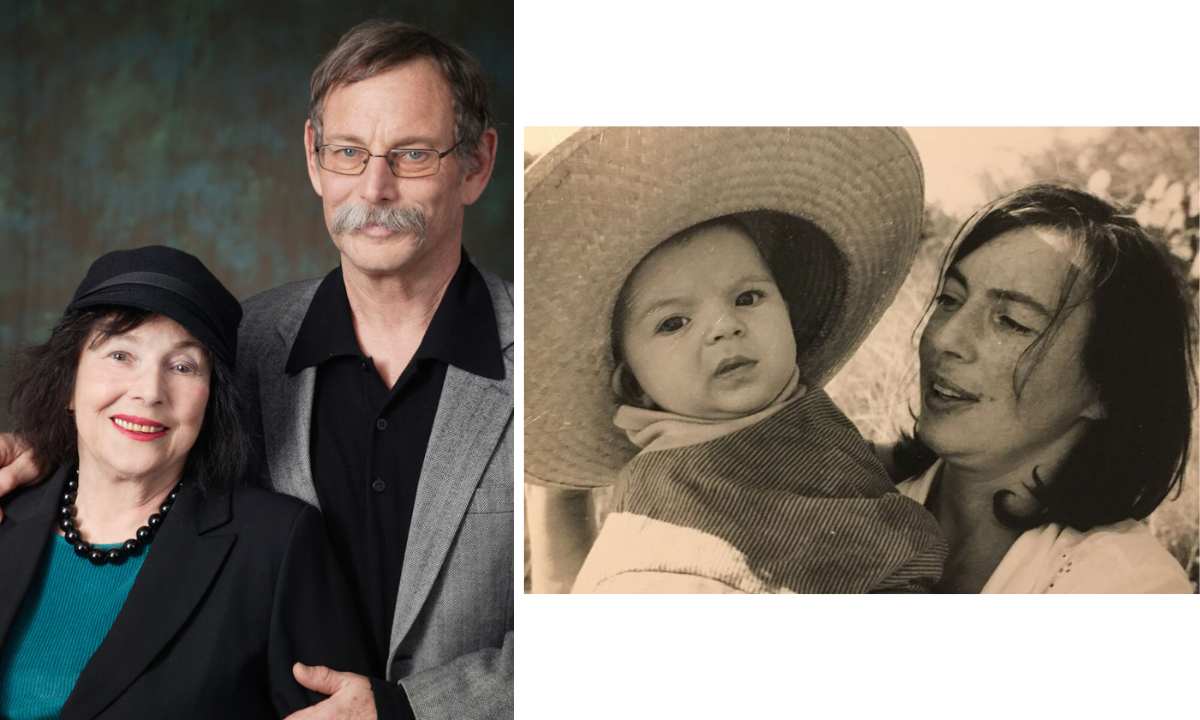
Her legacy lives on not only in the safe return of Apollo 13’s crew, but also in the inspiration she gave to generations of young scientists and engineers—and, in a different way, through her son Jack Black, whose fame unexpectedly keeps her story alive in popular culture.
Judith Love Cohen’s life is a rare combination of scientific brilliance and human resilience. She helped design the system that saved astronauts from one of NASA’s most famous disasters, advocated for women in engineering, wrote books that inspired children, and left behind a family of innovators and creators.
Disclosure: We may earn a commission when you make a purchase through the ads.