In a sudden turn of events, Harvard University has come under intense pressure to comply with new federal regulations that threaten the enrollment of its international students. This development follows a decision by the US Department of Homeland Security (DHS) to revoke the university’s certification for the Student and Exchange Visitor Program (SEVP). Harvard now faces a daunting 72 hour deadline to meet six stringent conditions imposed by the government.
The directive, issued under the Trump administration, has placed a spotlight on campus safety concerns and accusations of a pro-Hamas and anti-Jewish environment. This move has affected over 10, 000 foreign students. casting doubt over their future at one of the world’s most prestigious institutions.
Harvard must address several federal demands to salvage its SEVP status. These include providing detailed records of any alleged ‘illegal activities’ involving international students over the past five years, documentation of any violent or dangerous incidents involving these students, and disciplinary records dating back to 2020. Furthermore, any protestrelated audiovisual materials involving international students must also be submitted for review.
The stakes are undeniably high. Failure to comply accurately and thoroughly could expose the university to severe legal repercussions, including criminal charges under federal law. This situation has not only disrupted the academic plans of international students but has also sparked outrage among Indian-American leaders. They argue that this decision jeopardizes the longstanding educational ties between the US and India, potentially driving talent away to other countries like Canada and the UK.
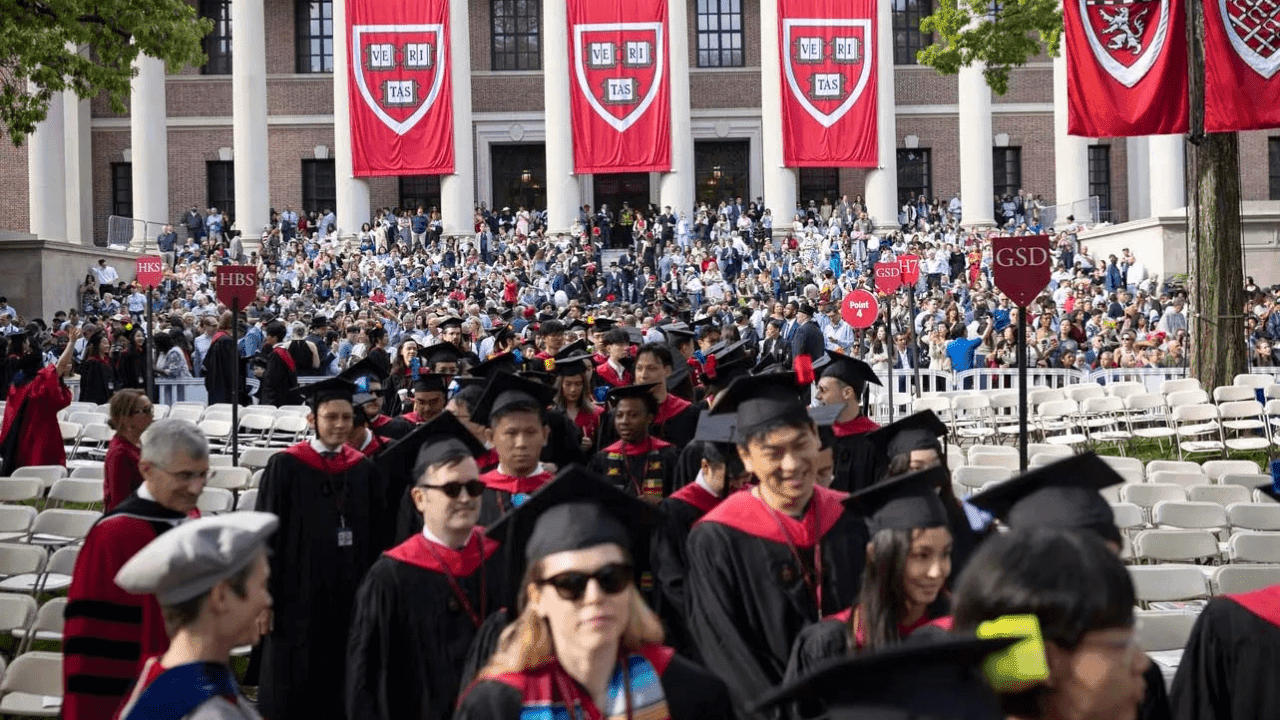
While Harvard officials remain tight-lipped, there is speculation about how this situation will develop in the coming days. The revocation also coincides ominously with the university’s upcoming commencement ceremonies, adding another layer of complexity to an already tense situation.
This aggressive crackdown reflects broader geopolitical tensions that have seeped into the educational realm, raising questions about the future of international education in the United States. Indian-American leaders, along with former White House advisors, have condemned the DHS’s actions. They emphasize that such policies pose a threat not only to individuals but to the broader collaborative relationship between nations that education fosters.
As the clock ticks, Harvard’s ability to resolve these issues within the stipulated timeframe remains uncertain. This developing story continues to unfold, leaving thousands of students in limbo and the academic world watching closely.