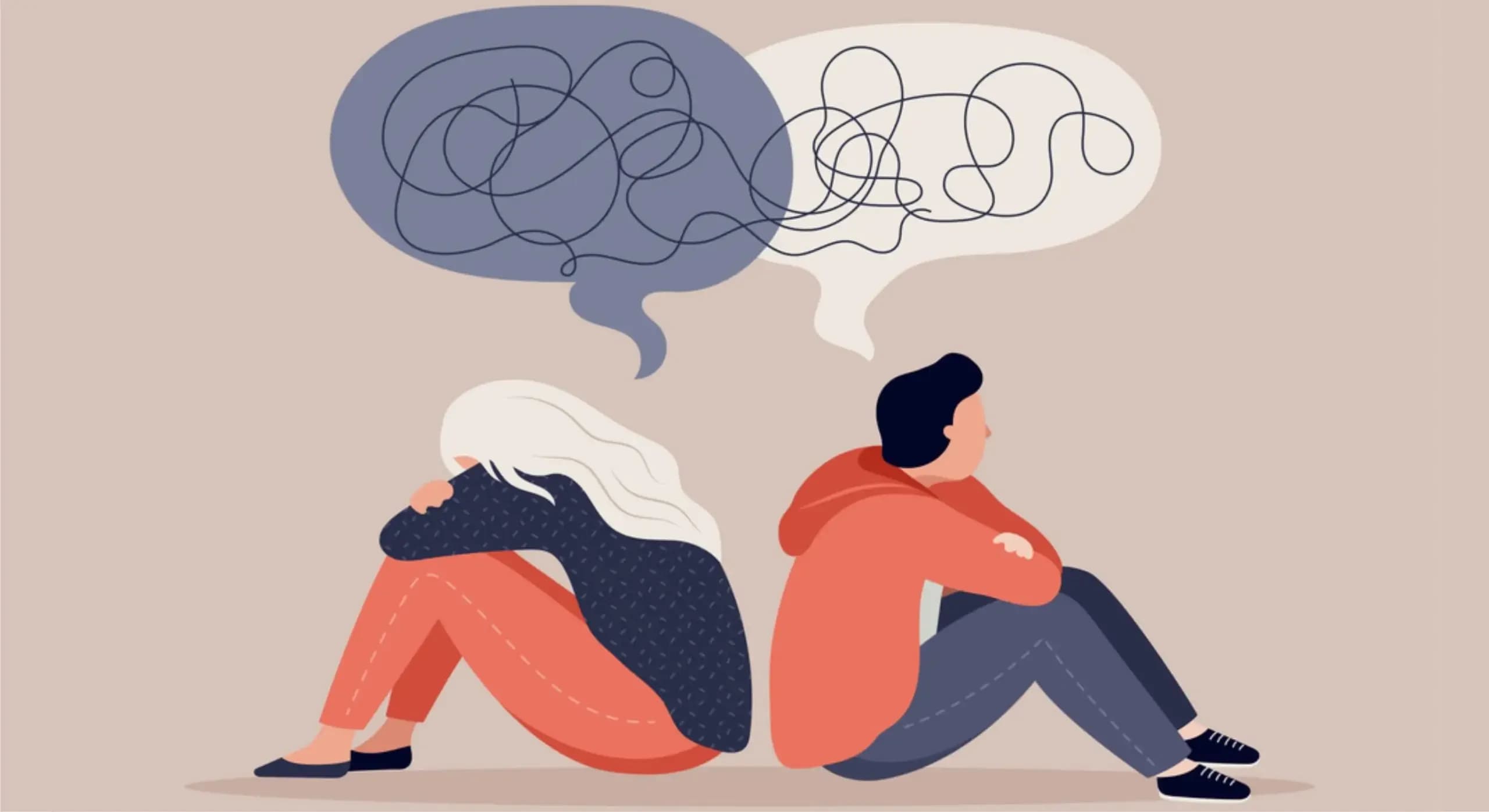
Something is shifting beneath the surface of the youngest generation. Not loudly, not dramatically — but in the quiet corners of therapy waiting rooms, group chats, and late-night Google searches. Gen Z is struggling. And the way they’re doing it looks nothing like what came before.
For decades, mental health struggles were something people hid. You pushed through. You “dealt with it.” Asking for help was seen as weakness, and the idea that a teenager might openly discuss anxiety or depression with a stranger — let alone a therapist — was almost unthinkable. Gen Z has turned that script completely upside down.
The Numbers Don’t Lie
Mental health challenges among young people have risen sharply over the past decade. Rates of anxiety, depression, and loneliness among 18 to 25-year-olds are at historic highs. The American Psychological Association consistently reports that Gen Z is the most stressed generation on record. And yet, paradoxically, they’re also the most likely to talk about it.
This generation grew up watching mental health go from a whispered topic to a mainstream conversation. Social media, for all its flaws, cracked the door open. Influencers shared their panic attacks. TikTok became an unlikely space for people to find language for what they were feeling. Suddenly, it wasn’t just okay to struggle — it was human.
A New Kind of Awareness
Gen Z didn’t invent mental illness. But they did something radical: they named it out loud. Where older generations might have called it “being stressed” or “having a rough patch,” Gen Z is far more likely to use clinical language, seek diagnoses, and actively pursue support. This isn’t hypochondria. It’s literacy.
That literacy has driven a surge in demand for support services. Youth behavioral health programs have seen enrollment increase dramatically in recent years as more young people recognize they need — and deserve — real help. These programs, once underfunded and underutilized, are now struggling to keep up with the demand.
The shift isn’t just cultural. It’s structural. Schools have started hiring more counselors. Telehealth made therapy accessible from a bedroom. Employers now talk about mental health days. The infrastructure is slowly catching up to what Gen Z has been asking for all along.
The Weight of a Connected World
But let’s be honest about what this generation is actually carrying. They came of age during a pandemic that disrupted the milestones most people take for granted — graduations, first jobs, friendships, first loves. They’ve grown up scrolling through climate anxiety, political chaos, and school shooting alerts. Their world has been louder, faster, and more uncertain than any generation before them.
Online life adds another layer. The constant comparison, the curated highlight reels, the comment sections — it all adds up. Research has repeatedly linked heavy social media use to increased rates of depression and anxiety in young people, particularly girls. Yet the same platforms have also become lifelines. The internet gives isolated teens a community. It lets people find others who understand.
Gen Z is living in the tension of that contradiction every single day.
Struggling Out Loud
What makes Gen Z truly different is not the scale of their struggle — it’s their refusal to pretend it isn’t happening. They’ve built an entire vocabulary around emotional honesty. “I can’t hold space for that right now.” “I’m going through something.” “My mental health is really bad today.” These phrases, once unfamiliar, are now part of everyday conversation.
This openness has forced institutions to respond. Colleges, employers, and healthcare systems are all grappling with how to meet this generation where they are. Many are turning to expanded youth behavioral health programs as part of the answer — creating peer support networks, embedding counselors in schools, and building digital tools that make it easier for young people to access care before they hit a crisis point.
The goal is early intervention. Because Gen Z has taught us one important thing: waiting until someone breaks down completely is already too late.
What the Rest of Us Can Learn
There’s a temptation to dismiss Gen Z’s mental health focus as fragility or oversensitivity. That temptation is worth resisting. What looks like weakness is actually something closer to self-awareness. Recognizing that you’re struggling and choosing to do something about it takes real courage.
Older generations carried pain silently and called it strength. Gen Z is asking a harder question: what if talking about it, treating it, and building systems around it is the stronger choice?
The quiet crisis isn’t just Gen Z’s problem to solve. It’s a signal. A whole generation is telling us, loudly and clearly, that the old way of pushing through wasn’t working. For anyone paying attention, that’s not a crisis at all. It’s a beginning.