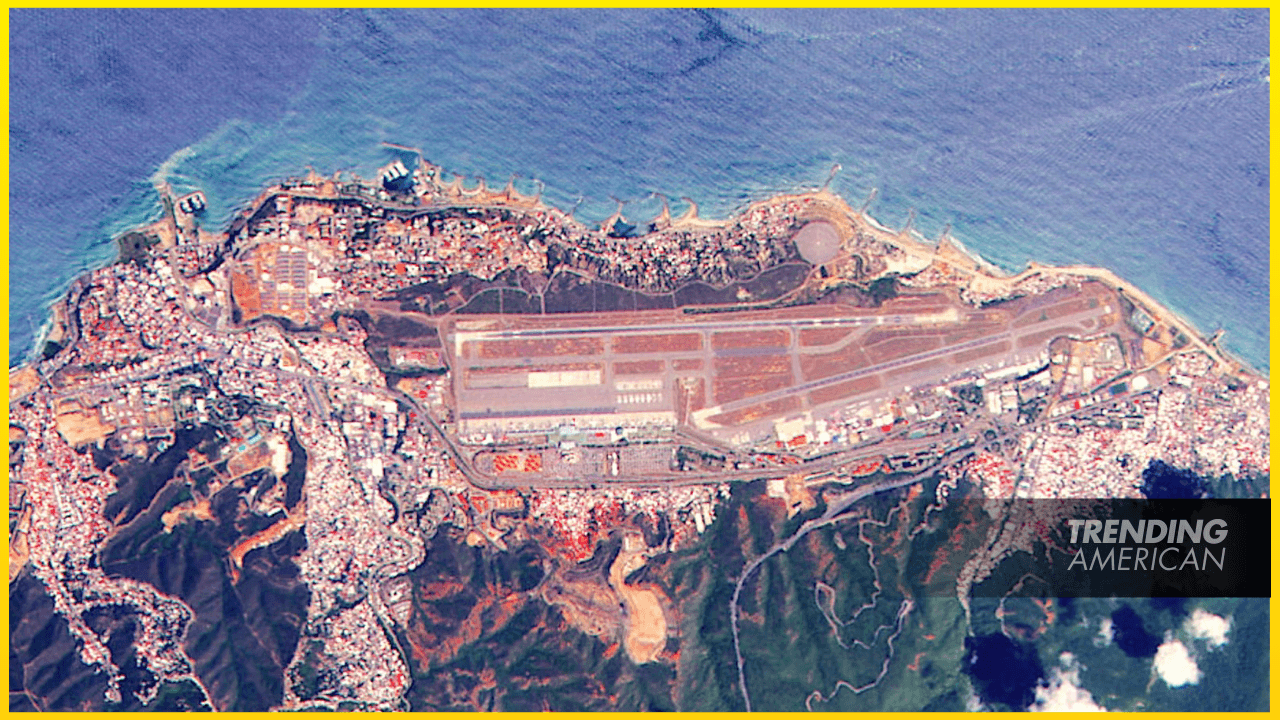
On November 29, 2025, President Donald Trump announced via social media that Venezuela’s airspace should be treated as closed in its entirety. The declaration prompted immediate actions from international carriers, with several airlines rerouting or suspending services that would have crossed the northern Caribbean corridor around Venezuela. The U.S. Federal Aviation Administration followed with NOTAMs and warnings urging pilots to exercise caution and, where possible, to avoid the airspace while authorities assess the situation. The move, described by U.S. officials as a de facto closure, has stirred a regional aviation disruption as carriers reassess routes across Latin America and the Caribbean.
Affected airlines include Iberia, TAP Air Portugal, Avianca, LATAM, and GOL Linhas Aéreas, among others, with some carriers trimming or suspending service pending clearer guidance. The Venezuelan government denounced the action as a colonialist threat, while Caracas reportedly moved to revoke certain operating rights in response to the pressure.
Operationally, flights are being diverted around Venezuelan airspace, leading to longer travel times and higher costs for travelers as routes swing around the wider Caribbean region. International carriers have flagged caution as the situation evolves through late November and into December 2025, with ongoing updates anticipated as governments and aviation authorities assess legal implications and practical implications for air travel.
Legal experts note that such a unilateral move is not a formal no-fly zone under international law; rather, it is a de facto suspension since a sovereign state is typically required to close its own airspace. The FAA has warned pilots to be mindful of potential GPS interference and security concerns cited by U.S. officials, while the international community watches how the situation unfolds and what steps may follow.
Disclosure: We may earn a commission when you make a purchase through the ads.