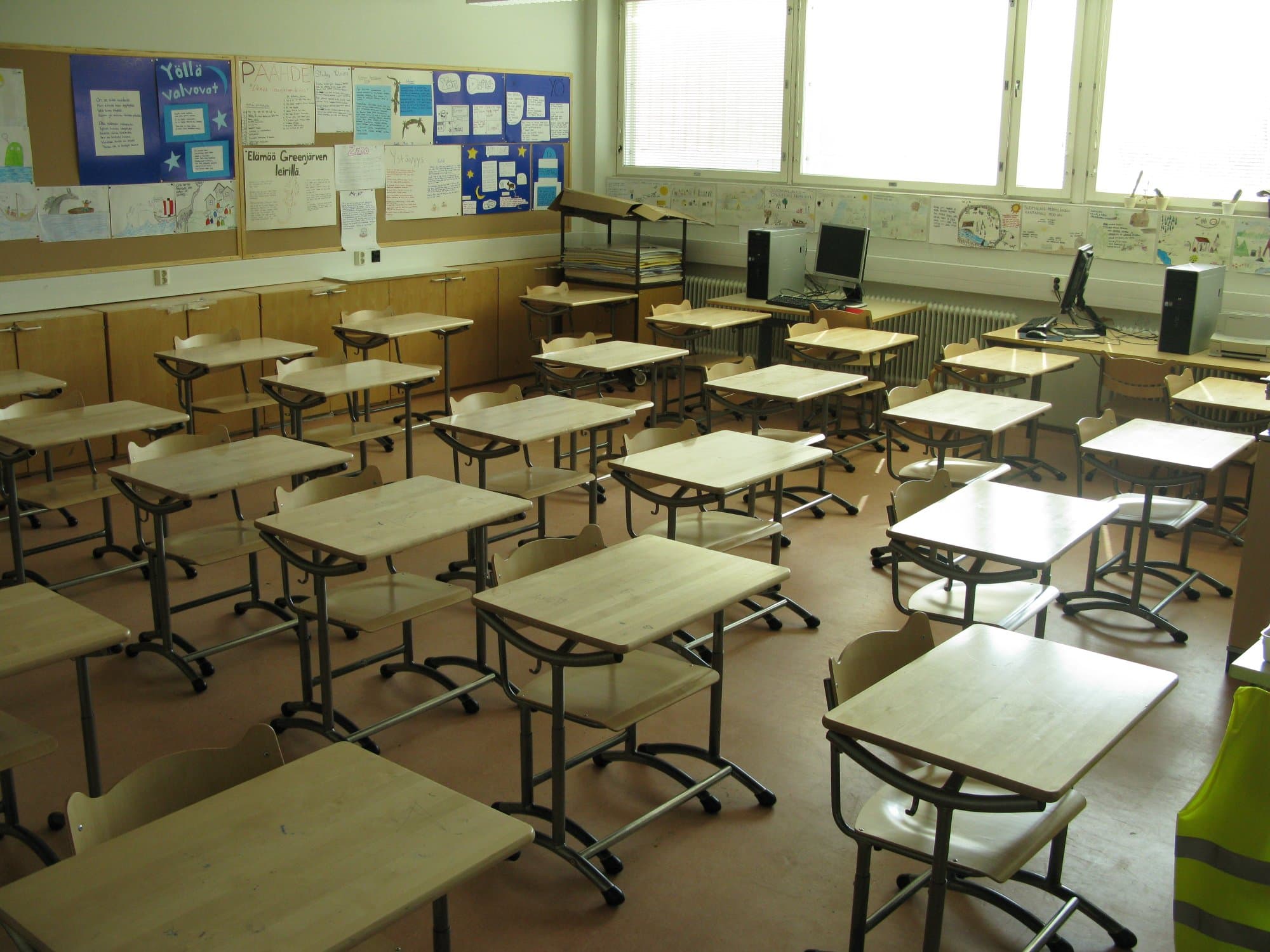
In Finland, children usually begin primary school in the year they turn seven. Their schools do not use national tests throughout primary and lower secondary education, yet teachers still assess learning throughout the year.
That approach has attracted interest far beyond Finland. It offers an example of a school system that gives teachers considerable responsibility and provides children with broad public support.
The familiar social-media version, however, often leaves out important details. Finnish pupils have homework. They receive grades and feedback. And Finland’s international test results have declined, even while remaining above the OECD average in key subjects.
Featured photograph: A Vantaankoski school classroom in 2010. Photo: Leo-setä, via Wikimedia Commons, CC BY 2.0. Original photograph used without editorial alteration.

Learning begins before primary school
The Finnish National Agency for Education explains that primary and lower secondary education covers nine years, generally for children aged seven to sixteen. Pre-primary education begins at six.
Starting primary school at seven therefore does not mean children receive no education before that age. The system includes an earlier stage suited to younger children.
A second important feature is what families do not have to purchase. The agency’s basic-education overview says teaching, textbooks and learning materials are free. Children also receive a free school meal.
School healthcare and welfare services provide another layer of support. These features belong in any explanation of Finland’s approach, alongside teaching methods and timetables.
Fewer national tests, regular assessment
There are no national tests in Finland’s primary and lower secondary schools. That does not mean there are no tests or expectations.
Teachers assess students during the school year and at its end. They use the work children do in class, participation and exams, among other methods.
The agency’s 2022 guide to primary and lower secondary education describes regular feedback that helps pupils understand both their strengths and their difficulties.
The same guide says homework is relatively light compared with other countries. It also explains that schools decide their daily and weekly timetables. Claims that every Finnish child follows exactly the same short day or recess schedule oversimplify that local flexibility.
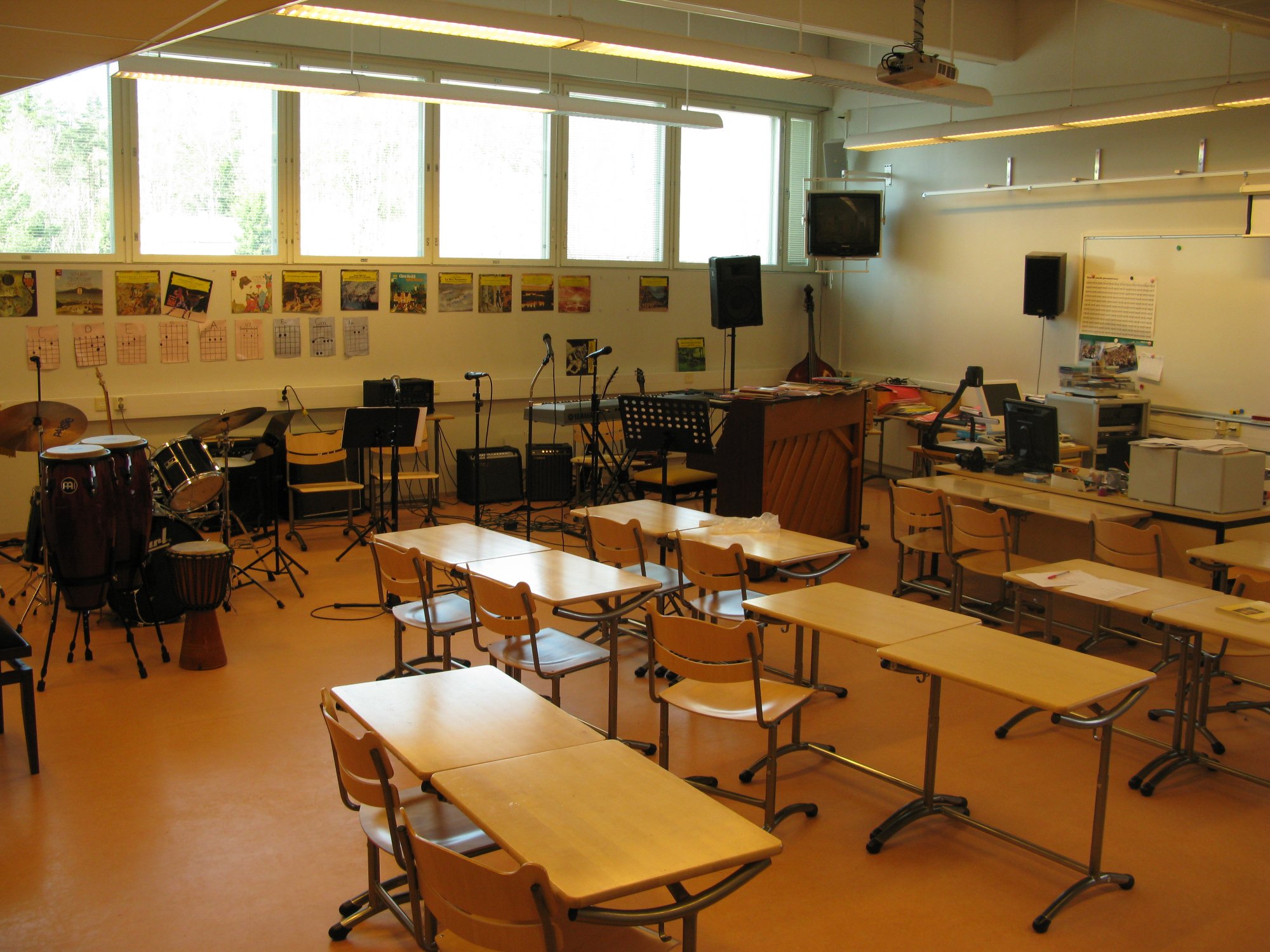
Photo: Leo-setä, via Wikimedia Commons, CC BY 2.0. Original photograph used without editorial alteration.

Teacher preparation supports professional responsibility
Finland’s model asks a great deal of its teachers. They must know their subjects, understand how children learn and make judgments about progress.
For qualified class teachers, the Finnish National Agency for Education lists a master’s degree in education, studies across the subjects taught in primary education and pedagogical studies among the requirements.
The University of Helsinki likewise explains that primary and subject teacher qualifications require a second-cycle university degree. Early childhood teacher education is an exception, so saying that every Finnish teacher must hold a master’s degree is too broad.
Professional preparation is part of the story. So are the curriculum and the services surrounding the classroom. No single feature can explain the system on its own.
A respected system still faces challenges
Finland’s early PISA results helped build its international reputation. But the more recent record deserves equal attention.
The OECD’s PISA 2022 country note reports that Finland’s average scores fell from 2018 in mathematics, reading and science. They were the country’s lowest in all three subjects across its participation in the assessment.
Finnish students still scored above the OECD average in all three. Both facts can be true: the system has strengths, and its results have worsened.
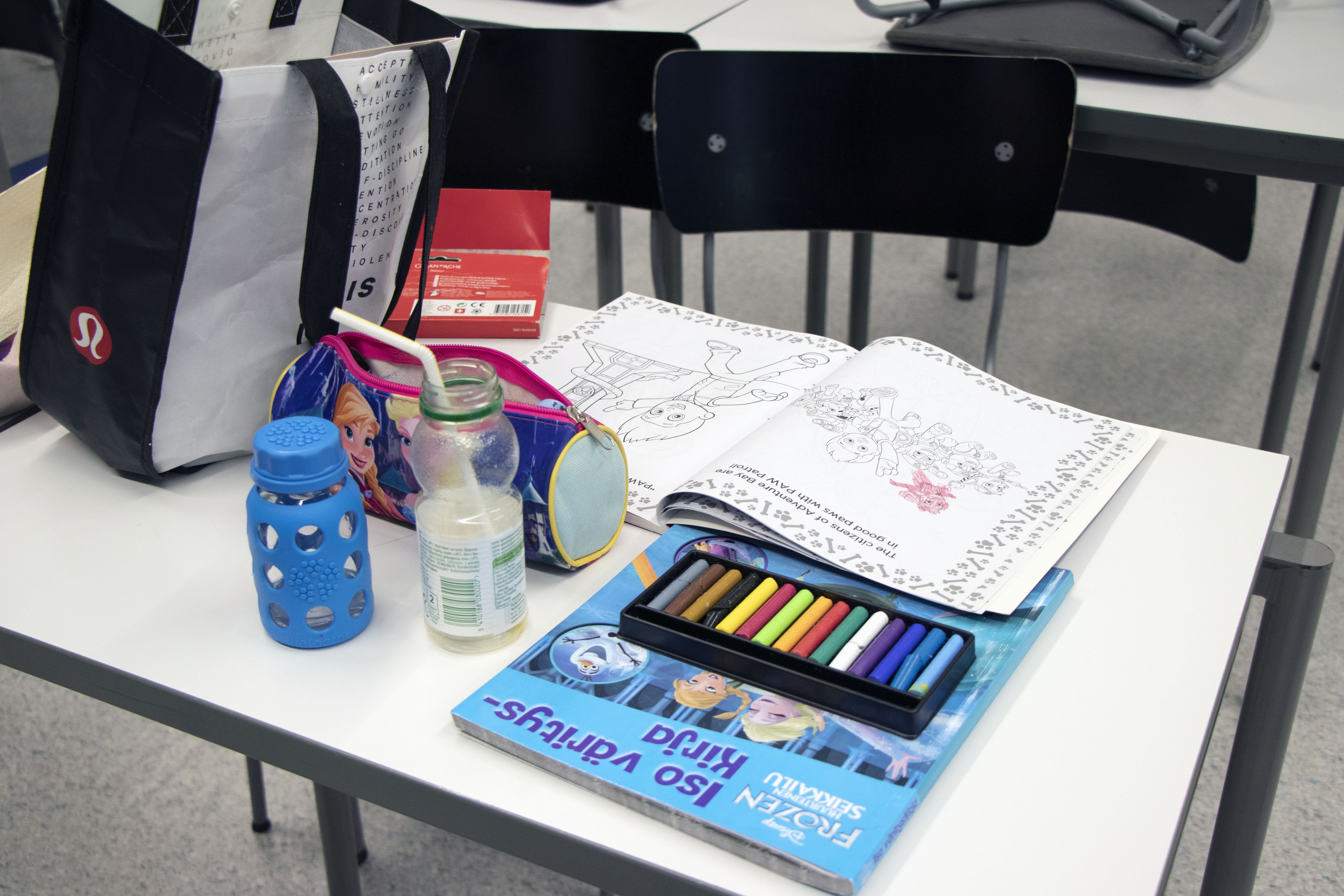
Photo: Stella Karlsson, via Wikimedia Commons, CC BY-SA 4.0. Original photograph used without editorial alteration.

Finland’s experience offers more than a slogan about less pressure. It shows how teacher preparation, everyday assessment, meals, learning materials and support services can work together.
It also shows why education systems need continuing attention. A strong reputation is a reason to study what works, while taking new difficulties seriously.