
In a moment that has sparked conversations around the world of sports, Stephanie Turner, a decorated fencer, received an honor for her courageous stance at the Cherry Blossom Open tournament at the University of Maryland.
Facing a challenging decision, Turner opted out of competing against a transgender opponent, Redmond Sullivan, and instead took a knee in protest.
This decision led to her disqualification from the competition, a move that was heavily debated worldwide.
Turner’s story begins with her preparation for the Division 1A Women’s Foil event. Despite having successfully competed in four matches prior, she was taken aback when learning she would be facing Sullivan next.
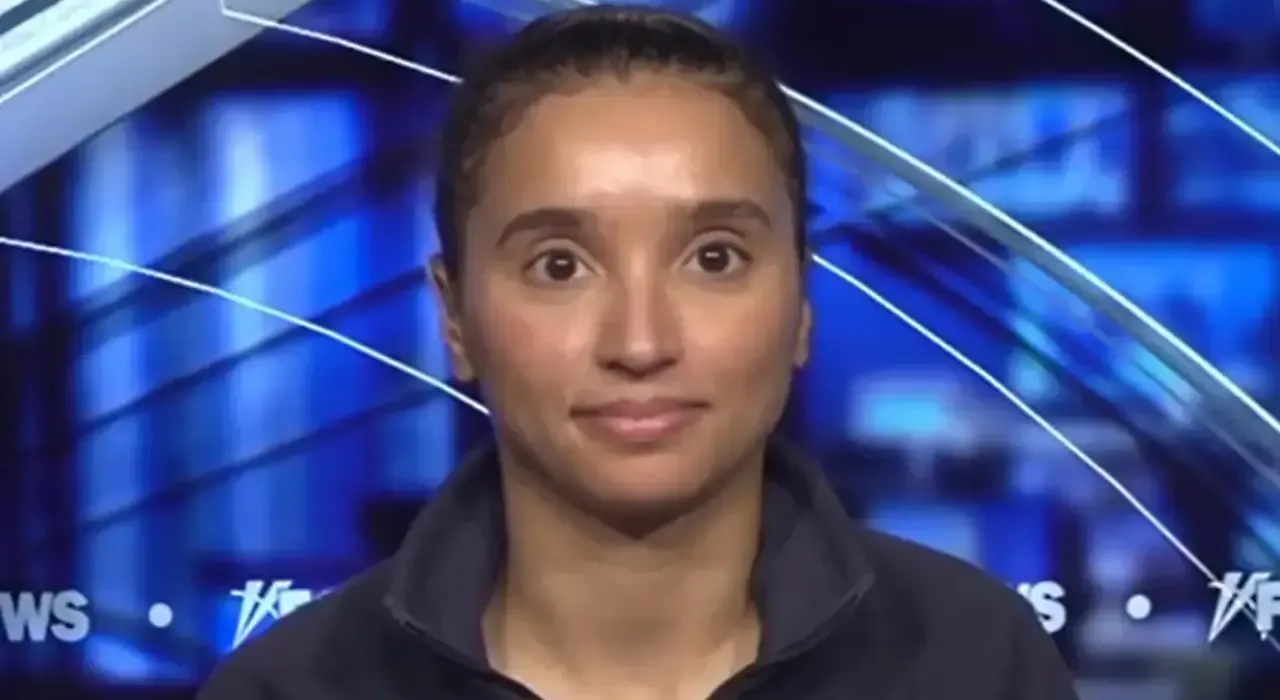
Faced with what she perceived as a conflict of principles, Turner decided to act. ‘I saw that I was going to be in a pool with Redmond, and from there I said: ‘OK, let’s do it. I’m going to take the knee’, ‘ she later recounted. This decision, although controversial, earned her respect among peers who shared similar concerns.
Turner’s protest was not solely about Sullivan, who was eligible to compete following a USA Fencing policy allowing transgender women to participate in women’s events provided they had completed a year of testosterone-suppression treatment.
Her stand was more about drawing attention to the broader issue around rules that she and others felt didn’t adequately consider the dynamics of athletic competition.
Taking a knee, a symbolic act often associated with protest and solidarity, set off a chain of events culminating in her receiving a black card, the most severe penalty for actions deemed unsporting. USA Fencing’s rationale was clear, Turner had violated the FIE rules which prohibit refusal of an eligible bout.
Despite the resultant disqualification, Turner stressed that her actions were neither personal attacks against Sullivan nor a separate statement of discrimination: ‘I’m sorry, I have much love and respect for you, but I will not fence you, ‘ Turner expressed, highlighting her internal conflict.
The aftermath saw an outpouring of both admiration and criticism. Social media was awash with debates, and sports personalities like Martina Navratilova weighed in, voicing support for Turner’s protest.
The fencing community was split, with some understanding her stance and others advocating for a more inclusive approach as prescribed by USA Fencing and similar organizations.
USA Fencing reaffirmed its position that the rules aimed to foster inclusivity, underlining their commitment to creating safe, respectful environments for everyone wishing to participate, regardless of gender identity.
Turner’s actions brought to light the complexities surrounding transgender athletes in competitive sports, sparking necessary dialogue on both fairness in competition and inclusivity.
As policies continue to evolve in sports, Turner remains a pivotal figure advocating for what many argue is fairness in the spirit of the game.
Her recognition, bestowed for the courage of conviction, continues to inspire dialogues beyond fencing, impacting broader societal discussions on gender, sports, and the balance between fairness and inclusivity.