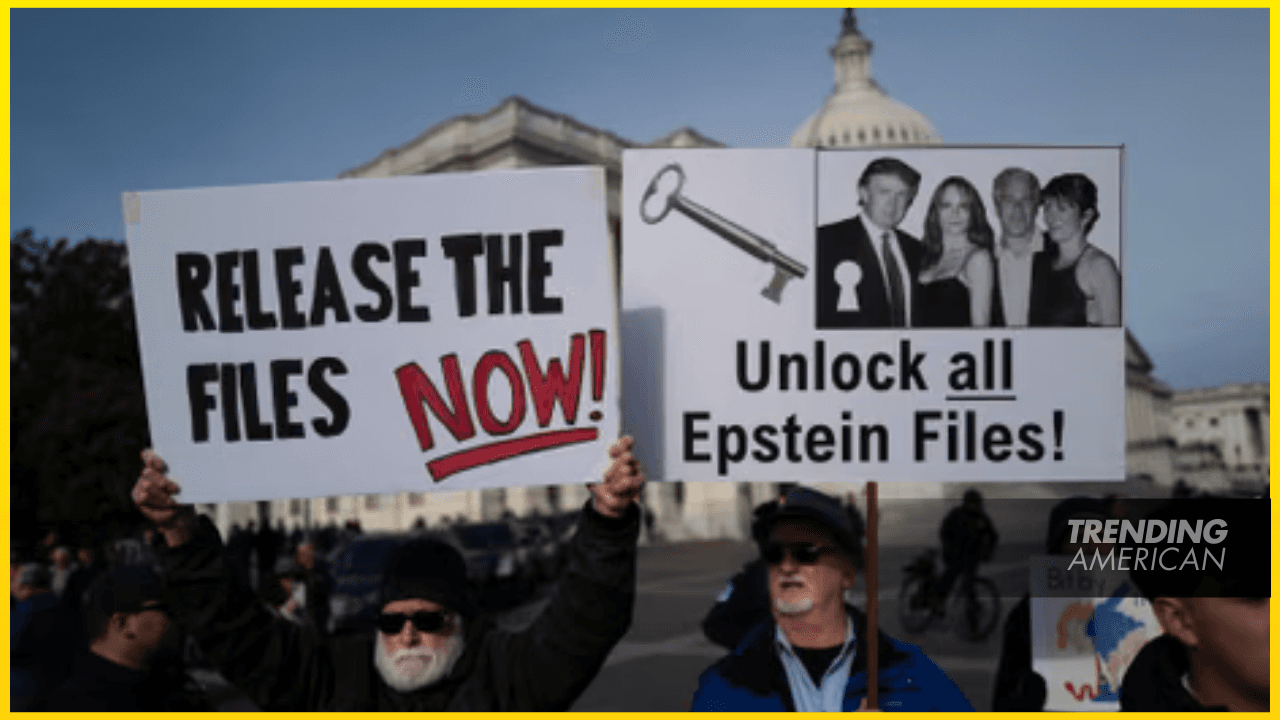
Survivors of Jeffrey Epstein say the Department of Justice’s ongoing release of Epstein-related files is undermining accountability, with redactions serving as a shield against disclosure even as new documents emerge.
Under the Epstein Files Transparency Act, the DOJ has broad authority to withhold certain information—such as victims’ personal data or materials that could jeopardize an active federal investigation—while still releasing records to the public. Advocates say the balance struck often tilts too far toward secrecy, denying survivors the chance to tell their stories and to hold powerful actors to account.
News organizations and survivors’ groups have tracked the pace and scope of the releases, noting that in some cases redactions appear to obscure key facts. Reports from CNN, The Guardian, PBS, the BBC, The Hill, and the New York Times detail a release process accompanied by criticism of perceived opacity. One Guardian piece even reports that some redactions are being undone via hacks, fueling concerns about transparency.
Virgin Islands civil proceedings against Darren Indyke and Richard D. Kahn, executors of Epstein’s estate, figure prominently in coverage about the files. Court records in the Virgin Islands reveal the estate’s alleged abuses and the ongoing pursuit of accountability, illustrating how federal and territorial actions intersect in this sprawling legal saga.
Observers say the tensions over redactions reflect a broader debate over transparency versus privacy and investigations. The Epstein Files Transparency Act, signed last month, was designed to shield sensitive information while investigations proceed, but survivors and lawmakers continue to press for greater openness, arguing that accountability requires public access to the facts behind Epstein’s abuses.
With dozens of documents in circulation and more releases expected, survivors remain steadfast in seeking justice and answers. As coverage continues across CNN, The Guardian, PBS, BBC, The Hill, and The New York Times, critics warn that the current approach risks protecting wrongdoers while leaving victims without closure.
Disclosure: We may earn a commission when you make a purchase through the ads.