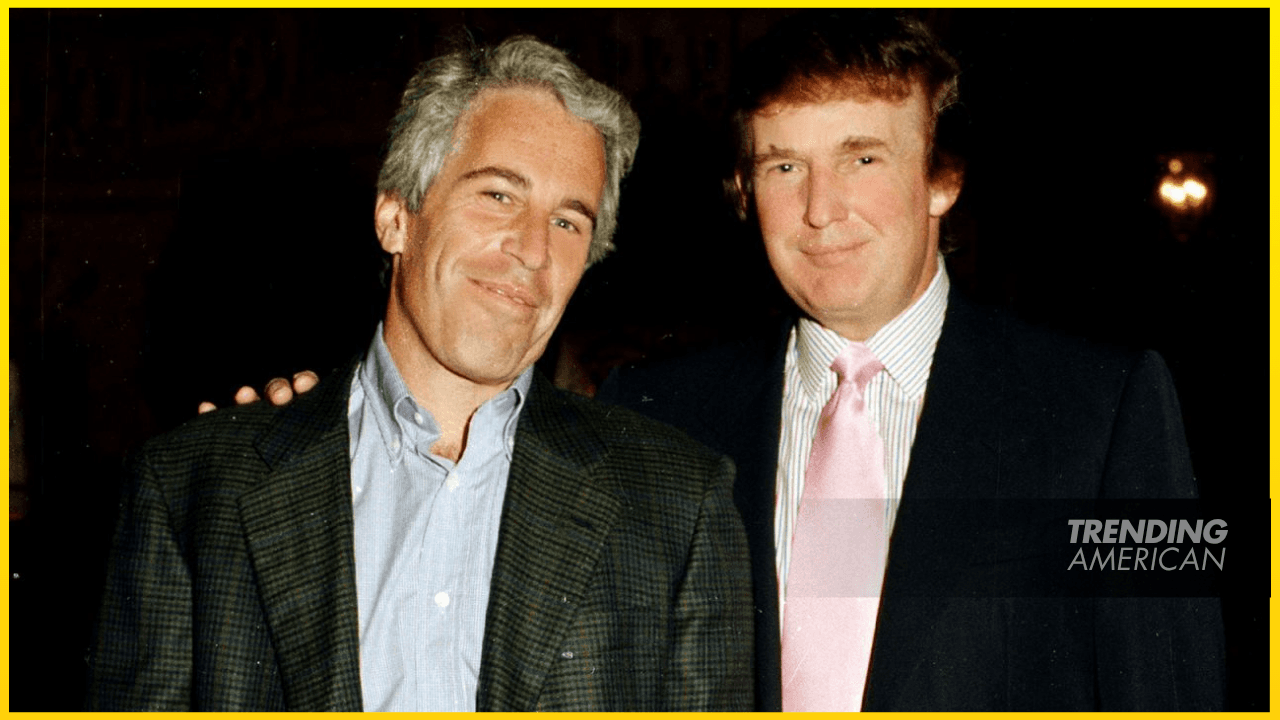
In a high-stakes reveal punctuating the corridors of power, newly unearthed emails from Jeffrey Epstein levy serious allegations against President Donald Trump. The emails claim Trump had knowledge of Epstein’s illicit activities and detail hours spent at Epstein’s residence with a victim, named posthumously as Virginia Giuffre by the White House.
This twist in the narrative was prompted by House Democrats, who released the emails amidst returning from a government shutdown. The Democrats aim to magnify scrutiny over Trump’s ties with Epstein, while Trump’s camp dismisses the accusations as a politically-driven hoax, generated to distract from the Democrats’ handling of governmental affairs.
As the controversy unfolds, the emails, dated between 2011 and 2019, spotlight Trump’s interactions with Epstein and associations with Ghislaine Maxwell, Epstein’s infamous associate. Maxwell, currently serving a 20-year sentence, was a central figure in Epstein’s network and the subject of the released documents.
Democratic National Committee Chair Ken Martin emphasized the gravity of the revelations, calling it a pivotal moment that signals a profound cover-up unraveling. Meanwhile, press secretary Karoline Leavitt stood firm, labeling the disclosures as carefully chosen narratives to mislead the public on Trump’s past with Epstein.
With the White House denying any prior misconduct knowledge and Democrats pushing for transparency, this unfolding saga stitches a narrative woven with distrust, power plays, and unresolved grim histories. Amidst the shifting political landscape, this could redefine alliances and renew discussions over justice for Epstein’s victims.
Disclosure: We may earn a commission when you make a purchase through the ads.